

Exclusive Pet Product Designs for OEM Buyers
Nov 13, 2026
Leave a message
What Should Importers Clarify Before Requesting Exclusive Pet Product Designs from an OEM Manufacturer?
Introduction
Developing exclusive pet product designs can help importers and private label brands differentiate their product ranges in competitive markets. Instead of selling products that are widely available from multiple suppliers, buyers may want customized structures, distinctive appearances, unique hardware combinations, or brand-specific functional features.
However, requesting an exclusive design from an OEM manufacturer involves more than discussing product specifications. Design ownership, exclusivity scope, development costs, production rights, and future commercial use should all be clarified before development begins.
Without clear agreements, importers may invest in product development without obtaining the level of market differentiation they originally expected.
Understanding these issues before placing a development order can help buyers protect their commercial interests and establish more practical OEM cooperation.
1. Define What Makes the Design Exclusive
The first step is to identify exactly which elements of the product should be exclusive.
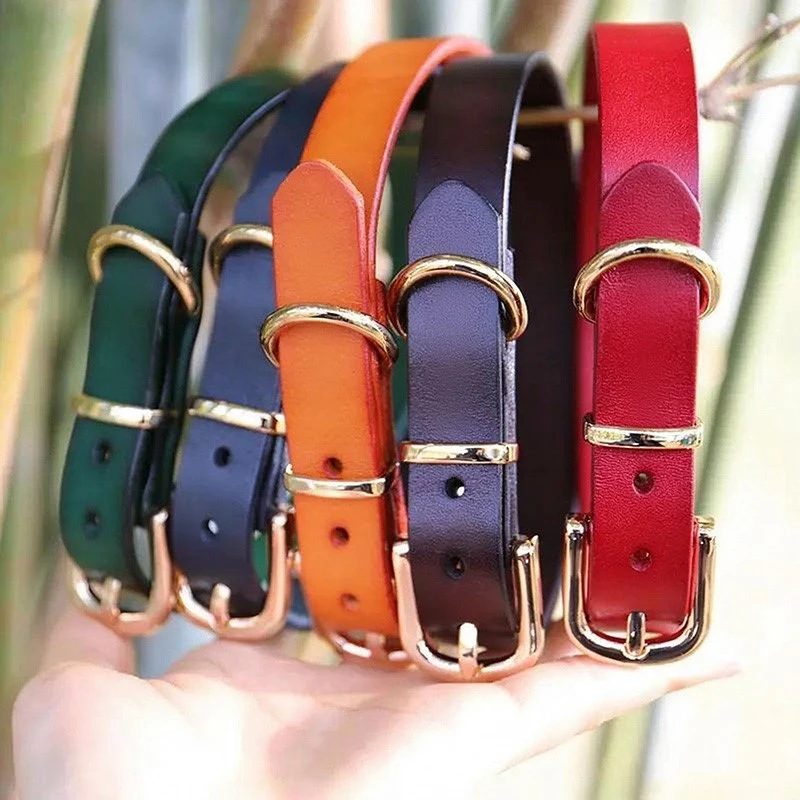
A customized dog collar, for example, may include a unique combination of webbing colors, buckle structures, hardware finishes, decorative elements, and logo placement. However, not every customized feature necessarily creates a commercially exclusive design.
Importers should distinguish between standard components and genuinely distinctive product elements.
Important questions include:
Is the exclusivity based on the overall product structure?
Does it cover specific patterns, colors, or decorative details?
Are customized hardware components included?
Does the design require special molds or tooling?
Can similar products with different specifications be manufactured for other customers?
A clearly defined design scope helps both parties understand what is protected and what remains available for general production.
For brands seeking stronger differentiation, the agreement should identify the specific design features that cannot be reused or offered to other customers.
Clarify Design Ownership and Intellectual Property Rights
Design ownership is one of the most important issues when commissioning exclusive pet products.
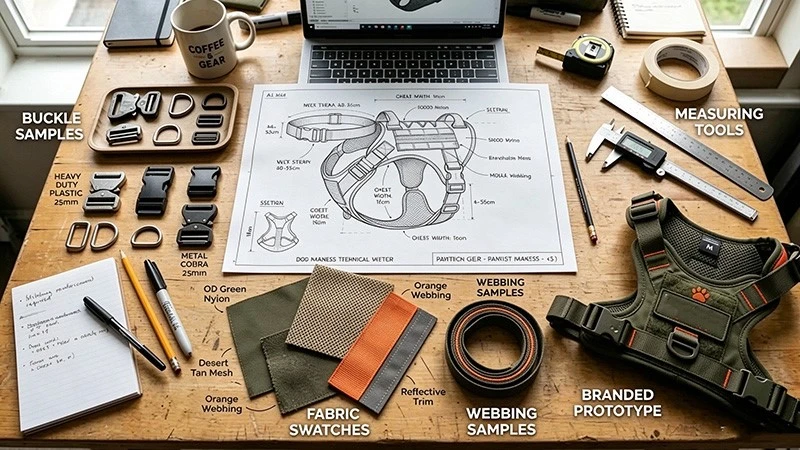
An importer may provide original drawings, reference samples, branding requirements, or product concepts. Alternatively, the OEM manufacturer may develop the design based on the buyer's requirements.
These different development arrangements can create different ownership expectations.
Before production, buyers should clarify:
Who owns the original design?
Who owns newly developed design elements?
Who can use the technical drawings and development files?
Can the manufacturer display the finished product in its portfolio?
Are there restrictions on reproducing or transferring the design?
It is also important to distinguish design ownership from manufacturing rights. Paying for product development does not automatically establish ownership of every intellectual property right.
Where necessary, agreements should identify applicable design rights, trademarks, patents, tooling ownership, and permitted uses.
For importers selling under private label brands, protecting logos and brand-specific visual elements is particularly important.
Establish the Scope of Market Exclusivity
Exclusivity can have different commercial meanings.
Some importers want a manufacturer to reserve a particular design for their brand. Others want exclusivity within a specific country, region, or distribution channel.
These arrangements should not be treated as interchangeable.
For example, an importer distributing a customized dog harness in the United States may want protection within that market. However, the manufacturer may still wish to supply a similar product to customers in other regions.
Before agreeing to exclusivity, buyers should define:
Geographic coverage
Applicable product categories
Named sales channels
Duration of exclusivity
Restrictions on similar designs
Conditions for maintaining exclusive rights
The agreement should also explain how similar products are treated. Minor changes in color or hardware should not automatically become a way to bypass an otherwise meaningful exclusivity arrangement.
Clear boundaries help prevent misunderstandings when both parties expand their customer bases.
Agree on Development Costs and Financial Responsibilities
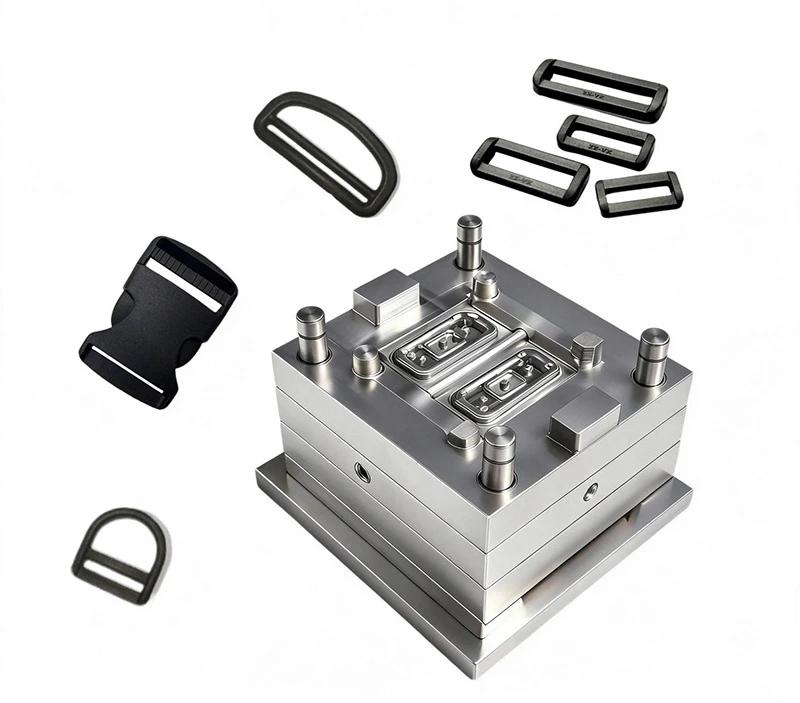
Exclusive product development may involve additional expenses beyond ordinary manufacturing costs.
Depending on the project, these may include:
Initial design and engineering work
Prototype development
Special tooling or molds
Customized hardware development
Material testing
Sample revisions
Additional production preparation
Importers should request a clear breakdown of development expenses before approving the project.
They should also clarify whether development costs are refundable, credited against future bulk orders, or charged separately.
For example, a customized dog harness may require several sample revisions before the structure, adjustment range, and hardware arrangement meet the buyer's requirements.
If the importer pays for these development activities, the agreement should explain which design files, samples, molds, or other project assets the buyer can access and use.
Transparent cost arrangements make it easier to evaluate the financial commitment required for exclusive product development.
Connect Exclusivity to Commercial Commitments
Exclusive designs may require manufacturers to reserve development resources, production arrangements, or specific materials.
As a result, some manufacturers may request minimum purchase quantities or annual purchasing commitments in exchange for exclusivity.
Importers should evaluate whether these requirements match their actual sales potential.
An overly aggressive purchasing commitment may create financial pressure if the product takes longer than expected to gain market acceptance.
Before accepting exclusivity conditions, buyers should consider:
Expected annual sales volume
Initial launch quantities
Market testing requirements
Replenishment frequency
Product development investment
The manufacturer's exclusivity obligations
A practical agreement may establish an initial development stage followed by a commercial review after the product enters the market.
This allows both parties to assess actual demand before making longer-term commitments.
Define Rules for Design Changes and Future Versions
Exclusive products may need adjustments after market launch.
Customer feedback, changing market preferences, or improvements in product functionality may require modifications to the original design.
For example, an importer may want to revise a dog harness by changing the adjustment structure, adding a reflective element, or modifying the placement of branded components.
However, these changes may create uncertainty about whether the revised product remains covered by the original exclusivity agreement.
Importers should clarify:
Whether future modifications remain under the original agreement
Who approves new design versions
Whether additional development charges apply
Whether revised designs can be offered to other customers
How ownership of newly developed elements is determined
Keeping a record of approved design versions can also help prevent disagreements when new production orders are placed.
This is particularly useful for brands that expect to expand an exclusive design into a broader collection.
Establish Clear Procedures for Confidentiality and Design Protection
During OEM development, importers may share confidential information, including product concepts, drawings, branding materials, technical specifications, and launch plans.
This information should be handled according to clearly agreed confidentiality requirements.
Buyers can consider establishing procedures covering:
Confidential information provided during development
Authorized personnel who can access project files
Restrictions on sharing drawings and samples
Use of product images before commercial launch
Return or destruction of confidential materials when required
Procedures for reporting suspected unauthorized use
A confidentiality agreement can support the protection of business information, but it should not replace specific agreements concerning design ownership and exclusivity.
Importers should also consider appropriate intellectual property registration and legal protection in their target markets where applicable.

Conclusion
Exclusive pet product development can create meaningful differentiation for importers and private label brands, but commercial expectations must be established before development begins.
Buyers should define the exclusive design elements, clarify intellectual property ownership, determine the geographic and commercial scope of exclusivity, and agree on development costs and purchasing commitments.
Future design changes and confidentiality requirements should also be addressed to avoid misunderstandings during long-term cooperation.
For importers developing customized dog collars, leashes, and harnesses, a clear agreement can help turn an initial OEM project into a more structured and commercially sustainable product program.
The objective is not simply to obtain a customized product. It is to establish clear rights and responsibilities that allow the buyer to invest in product differentiation with greater confidence.
Frequently Asked Questions
Q: Does Paying For An OEM Design Automatically Give The Importer Exclusive Ownership?
A: No. Payment for development does not automatically establish ownership of all intellectual property rights. Buyers should specify ownership, permitted use, and any transfer arrangements in a written agreement.
Q: What Should An Exclusive Pet Product Design Agreement Include?
A: It should address the design scope, intellectual property ownership, geographic exclusivity, duration, development costs, production commitments, confidentiality, and procedures for future modifications.
Q: Can An OEM Manufacturer Sell Similar Products To Other Customers?
A: This depends on the agreed exclusivity terms and applicable intellectual property rights. Buyers should clearly define which design elements and commercial markets are restricted.
Q: Should Importers Pay Additional Fees For Exclusive Product Development?
A: Additional fees may apply when projects require custom molds, special hardware, engineering work, or multiple sample revisions. Buyers should request a breakdown of development expenses before proceeding.
Q: How Can Importers Protect Exclusive Designs In International Markets?
A: They can use written development agreements, confidentiality provisions, appropriate intellectual property registrations, and clearly documented ownership and licensing arrangements. Legal protection should be evaluated according to the relevant countries and markets.
CTA
Developing an Exclusive Pet Product Collection?
GH Material supports customized pet product development, including dog collars, leashes, and harnesses, with options for product specifications, materials, colors, and branding.
Whether you are developing a private label collection or exploring a new OEM project, our team can discuss your product requirements and manufacturing possibilities.
Contact GH Material to Discuss Your OEM/ODM Pet Product Project.