

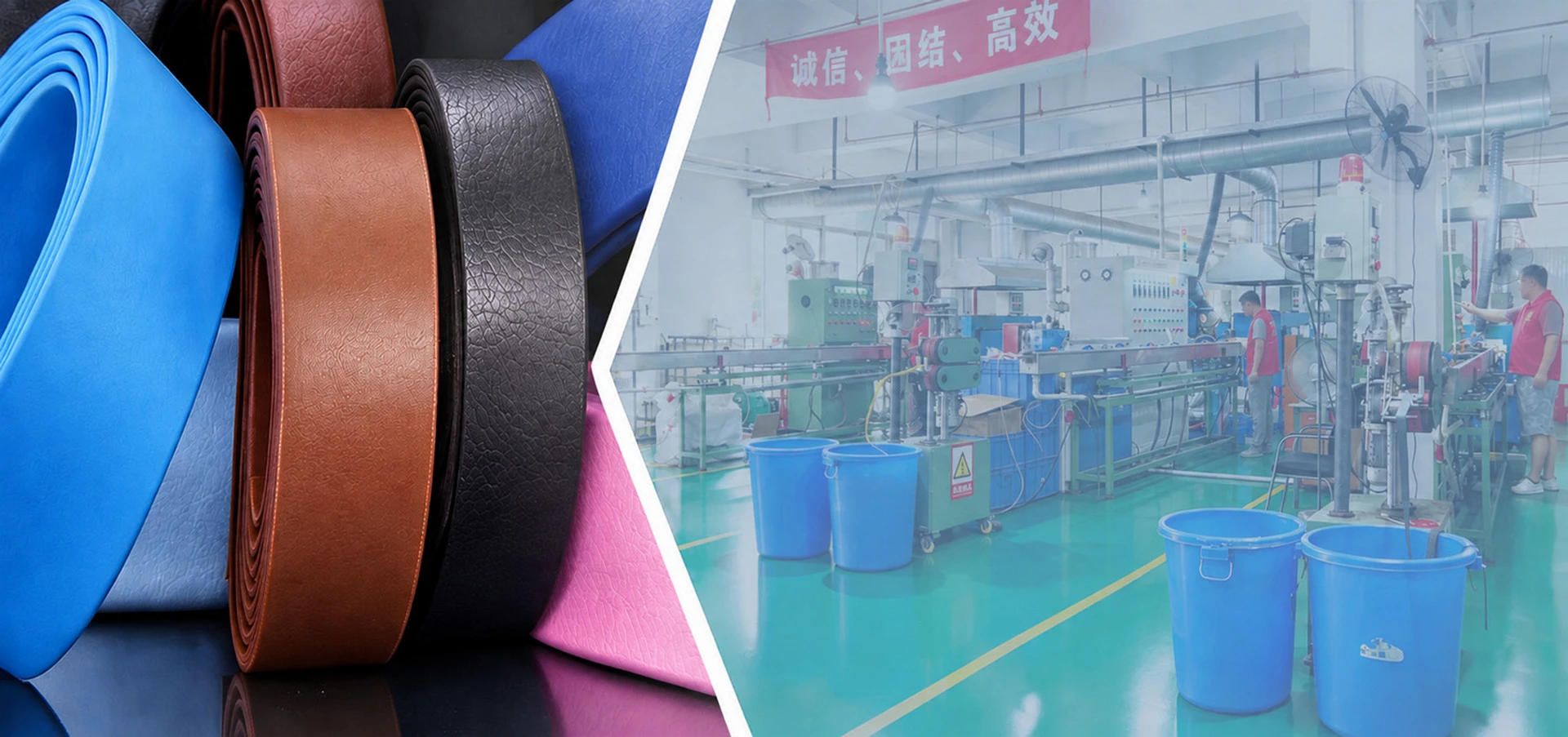
How Can Pet Brands Make Everyday Pet Accessories Stand Out?
Nov 20, 2026
Leave a message
In the competitive pet accessories market, products such as dog collars, leashes, and harnesses are widely available from different brands and manufacturers. For pet brands, importers, and wholesalers, offering standard products is no longer always enough to attract buyers or maintain a strong market position.
Product differentiation does not necessarily require completely new product concepts. In many cases, improvements in functionality, material selection, product construction, and design details can make everyday pet accessories more appealing to customers.
For brands developing private-label pet products, the challenge is to create recognizable product value while keeping manufacturing costs and product complexity under control.
Improve Product Functionality Instead of Adding Unnecessary Features
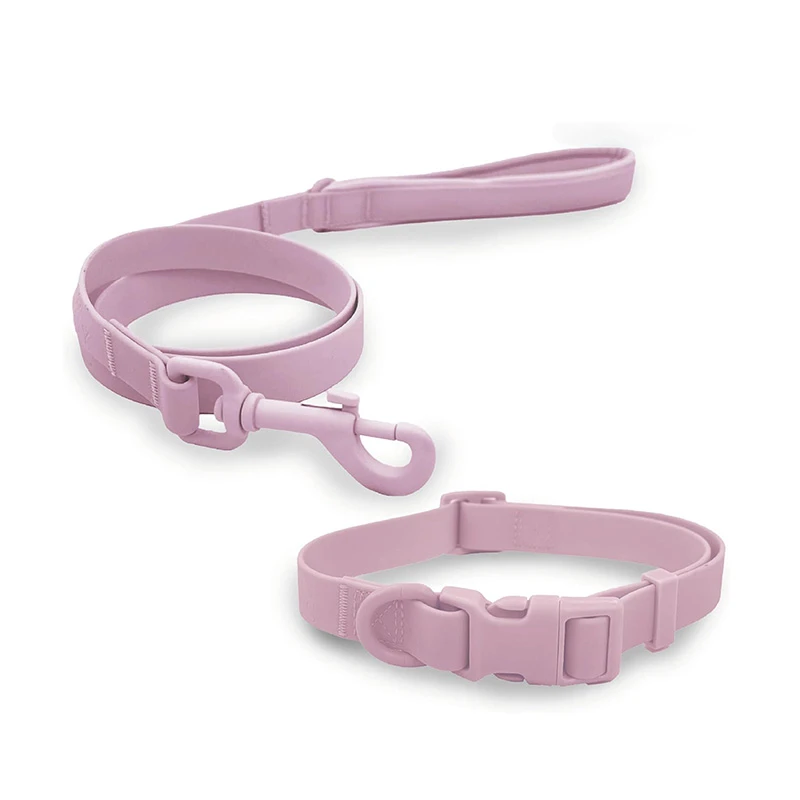
One practical way to differentiate everyday pet accessories is to improve how they perform in actual use.
For example, dog collars can be developed with more convenient adjustment structures, comfortable contact surfaces, and reliable hardware. Leashes may benefit from improved grip, practical handle construction, or more suitable connection components.
For harnesses, brands can focus on adjustability, wearing comfort, and functional design that suits different product applications.
These improvements can make products more useful without introducing complicated structures or unnecessary components.
When planning product development, brands should identify specific customer needs before deciding which features to add.
Use Material Selection to Create Product Differentiation
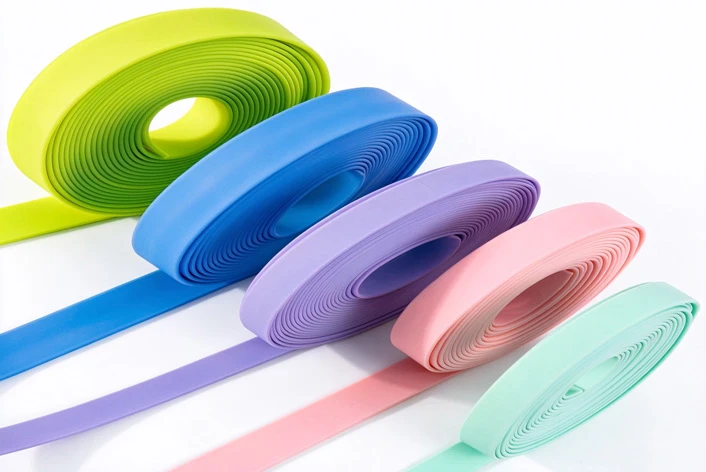
Materials influence the appearance, flexibility, durability, and overall positioning of pet accessories.
Different materials can support different product concepts and price segments.
For example, polyester and nylon webbing are commonly used in traditional pet collars, leashes, and harnesses. PVC and TPU coated webbing provide another option for brands looking for a coated surface, different appearance, and easier cleaning.
PVC coated webbing can be suitable for cost-conscious product ranges, while TPU coated webbing can support more premium product positioning.
However, material selection should match the intended application, construction requirements, and target price rather than simply following material trends.
Brands should evaluate material performance through samples and application-specific testing before confirming bulk production.
Pay Attention to Small Design Details
In a crowded market, small product details can influence how customers perceive a brand.
Examples include:
Hardware finishes that match the overall product design.
Consistent stitching and edge finishing.
Coordinated colors across collars, leashes, and harnesses.
Practical adjustment components.
Distinctive textures, patterns, and logo applications.
These details help create a consistent product appearance and make different items within a collection feel connected.
For private-label buyers, maintaining consistency across multiple products is particularly important because customers often evaluate a brand through its overall product presentation rather than one individual item.
Develop Coordinated Product Collections
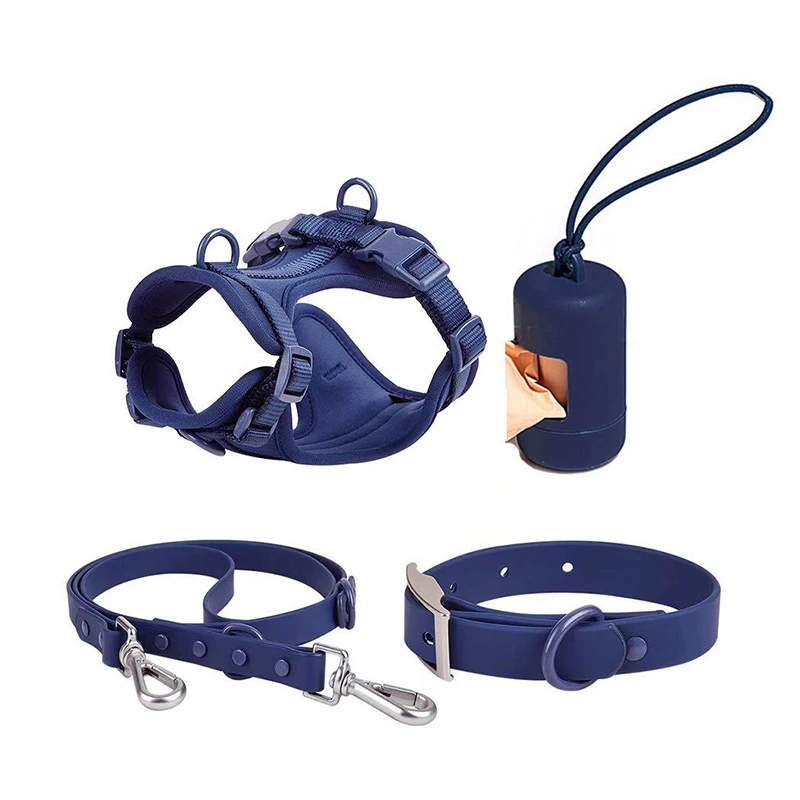
Instead of developing individual products independently, pet brands can create coordinated collections around a shared design concept.
For example, a collection may include matching dog collars, leashes, and harnesses with consistent colors, hardware finishes, and material choices.
This approach provides several commercial advantages.
First, it gives wholesalers and distributors a more complete product range to present to their customers.
Second, coordinated products create opportunities for cross-selling and bundled product offerings.
Third, shared design elements can strengthen brand recognition across different product categories.
However, brands should avoid creating too many similar SKUs without clear market demand. Product development should balance collection variety with manageable inventory and production requirements.
Balance Product Differentiation with Manufacturing Feasibility
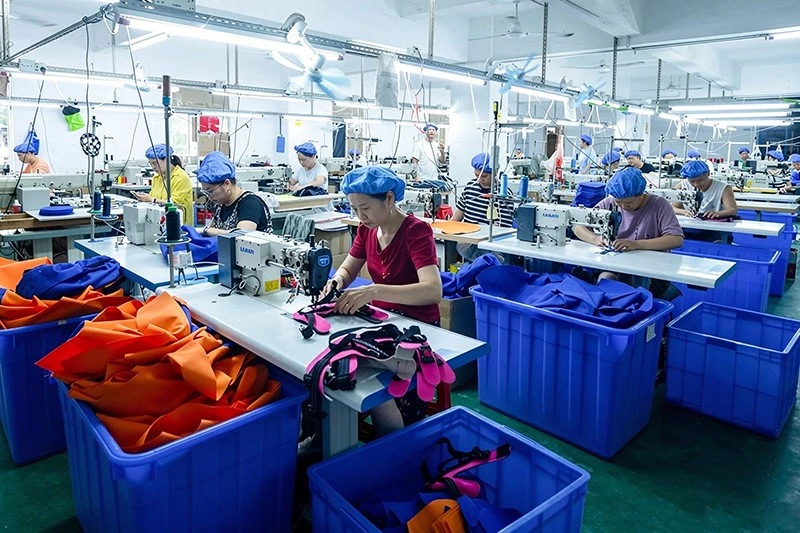
A product concept may look attractive during the design stage, but not every design is suitable for efficient mass production.
Unusual structures, multiple material combinations, specialized hardware, and complicated assembly requirements may increase production costs and make quality control more difficult.
Before confirming a new product design, brands should discuss the following with their manufacturing partners:
Whether the proposed structure can be produced consistently.
Whether the selected materials are suitable for the intended application.
Whether customized components are necessary.
How design changes affect production costs and lead times.
Whether the product can maintain consistent quality in repeat orders.
Early communication between product developers and manufacturers helps identify potential production issues before bulk manufacturing begins.
The goal is not simply to create a different-looking product, but to develop one that can be manufactured reliably and sold commercially.
Work with Manufacturers During Product Development
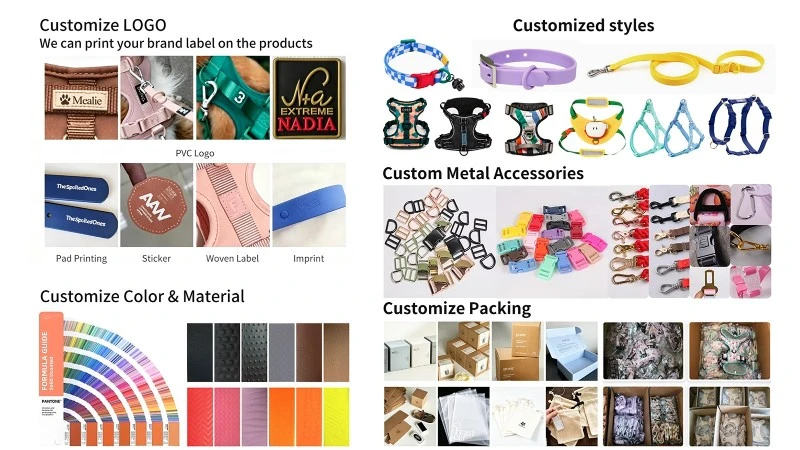
Manufacturers can contribute more than production capacity. Their experience with materials, product construction, components, and manufacturing processes can help brands evaluate new product concepts.
For OEM and ODM pet accessories, buyers can work with manufacturers to develop customized collars, leashes, harnesses, and related products based on their design requirements.
A practical development process usually includes concept discussion, material and component selection, sample development, sample evaluation, and final production confirmation.
For brands planning to expand their product ranges, choosing a manufacturing partner that can support both product customization and consistent production is an important consideration.
Conclusion
Making everyday pet accessories stand out does not always require completely new products. Better functionality, suitable material selection, thoughtful design details, and coordinated product collections can all help brands create meaningful differentiation.
For importers, wholesalers, and private-label buyers, successful product development also depends on manufacturing feasibility, cost control, and consistent quality.
By combining clear product positioning with practical manufacturing support, pet brands can develop more competitive product ranges and build stronger long-term market opportunities.
Frequently Asked Questions
Q: How Can Pet Brands Differentiate Their Everyday Pet Accessories?
A: Brands can focus on functional improvements, material selection, distinctive design details, coordinated product collections, and application-specific product development.
Q: Which Materials Can Help Differentiate Pet Accessories?
A: Polyester, nylon, PVC coated webbing, and TPU coated webbing offer different characteristics in appearance, flexibility, and application. The appropriate choice depends on product requirements and target positioning.
Q: Why Are Coordinated Pet Accessory Collections Important?
A: Coordinated collars, leashes, and harnesses create a consistent brand appearance and give wholesalers and distributors more opportunities to offer matching products.
Q: What Should Buyers Consider Before Developing Customized Pet Accessories?
A: Buyers should evaluate product functionality, material suitability, component availability, manufacturing feasibility, target costs, and sample performance before confirming bulk production.