

Why Do Pet Product Wholesalers Value Long-Term Manufacturer Partnerships?
Nov 03, 2026
Leave a message
For pet product wholesalers, choosing a manufacturer is not simply about finding a supplier with competitive prices. The relationship between a wholesaler and a manufacturer can influence purchasing efficiency, product development, business planning, and long-term profitability.
A supplier may offer an attractive price for the first order, but maintaining a successful wholesale business requires more than a single transaction. Buyers need manufacturing partners who understand their product requirements, support ongoing orders, and adapt to changes in market demand.
This is why many established pet product wholesalers value long-term manufacturer partnerships rather than constantly switching suppliers.
More Efficient Purchasing and Communication

Working with a new manufacturer often requires buyers to explain their business requirements from the beginning.
Product specifications, customization details, packaging requirements, order procedures, and quality expectations all need to be communicated and confirmed.
When evaluating a potential pet product manufacturer, wholesalers should consider its manufacturing background and experience with customized products.
This can make subsequent purchasing activities more efficient.
For example, a wholesaler regularly ordering dog collars and leashes may already have confirmed specifications for webbing materials, product dimensions, hardware configurations, colors, and logo placement.
Instead of repeating the entire development process for every order, the buyer can focus on necessary changes and new requirements.
Over time, this familiarity can reduce repetitive communication and help purchasing teams manage orders more efficiently.
Better Control Over Repeat-Order Consistency
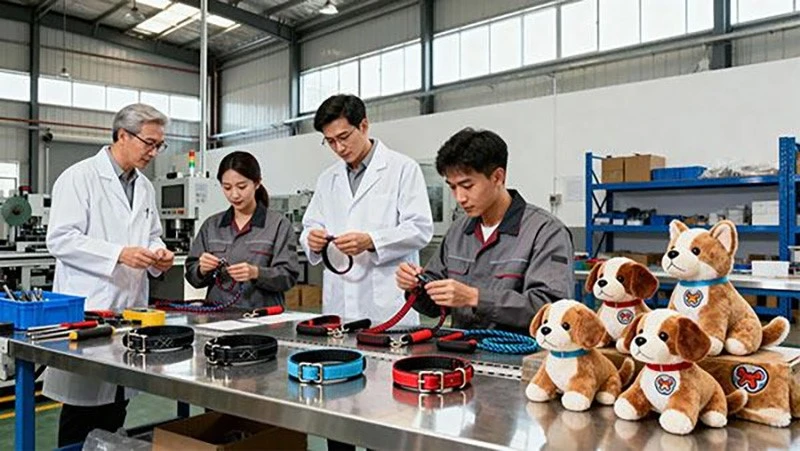
For wholesalers, maintaining consistent products across different purchasing cycles is important.
Their downstream customers expect products to maintain the same appearance, functionality, and specifications when they reorder.
For example, if a distributor regularly purchases a particular dog harness design, significant differences between production batches may create customer complaints or additional inspection work.
A long-term manufacturing relationship helps both parties establish clearer product requirements and production references.
Important areas include:
Approved product samples and specifications.
Confirmed materials and hardware configurations.
Color and dimensional requirements.
Logo and packaging standards.
Inspection and acceptance criteria.
These references provide a more structured basis for repeat production.
However, long-term cooperation alone does not guarantee consistent quality. Manufacturers still need appropriate production controls and inspection procedures.
Understanding a manufacturer's manufacturing capabilities can help buyers evaluate how different production processes support repeat orders.
Greater Flexibility When Wholesale Demand Changes
Pet product demand can change as customer preferences, sales channels, and product positioning evolve.
A wholesaler may initially focus on basic dog collars and leashes before expanding into adjustable harnesses, outdoor accessories, or customized product collections.
A long-term manufacturing partner who understands the buyer's existing product range can make these adjustments easier to discuss.
For example, when developing a new dog harness, the buyer may want to retain certain existing hardware components while modifying the structure, colors, or product dimensions.
Having an established manufacturing relationship can reduce the amount of background information that needs to be communicated during product discussions.
This is particularly useful for wholesalers who regularly introduce new products while maintaining existing product lines.
Lower Repeated Sourcing and Development Costs
Changing manufacturers frequently can create additional costs that are not always reflected in the quoted product price.
These may include:
Repeating supplier evaluations.
Developing and approving new samples.
Confirming specifications again.
Reviewing new production arrangements.
Managing communication differences.
Handling unexpected product adjustments.
For wholesalers purchasing multiple pet product categories, these activities can consume considerable time.
A long-term partnership may reduce some of these repeated activities because product requirements, working procedures, and communication expectations have already been established.
However, this does not mean buyers should automatically continue purchasing from the same supplier.
Prices, product performance, service, and business requirements should still be reviewed periodically.
The objective is to build a commercially valuable relationship, not to remain with a supplier regardless of performance.
Stronger Support for Long-Term Product Development
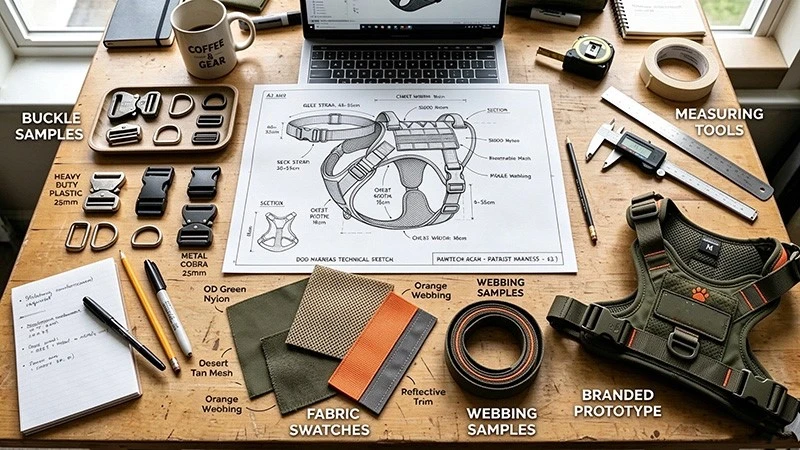
A growing pet product wholesale business may need to move beyond purchasing standard products.
As customer requirements develop, buyers may introduce new colors, product structures, hardware combinations, or private-label collections.
A manufacturing partner familiar with the buyer's business can provide more relevant discussions about product feasibility and customization requirements.
For example, a pet brand developing a coordinated walking collection may need matching collars, leashes, and harnesses with consistent colors and hardware styles.
An established manufacturer can discuss the production requirements for these products and help coordinate their development.
For OEM/ODM projects, buyers should communicate their target market, product functions, design expectations, and customization requirements before sampling.
This allows product development discussions to focus on practical manufacturing requirements rather than simply exchanging design ideas.
How to Build a Valuable Long-Term Manufacturer Partnership
A successful partnership requires effort from both the buyer and the manufacturer.
Pet product wholesalers can strengthen cooperation through several practical steps.
Share clear purchasing forecasts.
Providing reasonable estimates of future demand helps manufacturers understand potential order requirements and plan production arrangements.
Maintain updated product specifications.
When product designs change, buyers should ensure that both parties use the latest approved specifications.
Provide feedback after each order.
Feedback about product performance, customer preferences, and areas for improvement can help guide future production and development.
Review business performance regularly.
Buyers should periodically evaluate product quality, pricing competitiveness, communication efficiency, and delivery performance.
Discuss future product opportunities.
Sharing upcoming product plans allows manufacturers to understand the direction of the business and discuss possible customization or development requirements.
A long-term relationship becomes more valuable when both parties understand not only current orders but also future business objectives.
Choosing a Manufacturer That Can Grow with Your Wholesale Business
Not every manufacturer is suitable for long-term cooperation.
Wholesalers should look beyond initial quotations and consider whether a manufacturer has the production capabilities, product knowledge, communication processes, and customization experience required by their business.
For pet product buyers, relevant manufacturing capabilities may include dog collar, leash, and harness production, material selection, hardware integration, customization, and quality inspection.
At GH Material, we manufacture and customize pet products for overseas B2B customers.
Our product range includes dog collars, leashes, and harnesses, with OEM/ODM customization options covering product structures, sizes, colors, and logo requirements, depending on the selected product.
We focus on understanding customer requirements and supporting product manufacturing for wholesale and private-label projects.
For wholesalers looking to develop a stable product range, working with a manufacturing partner who understands their requirements can create value beyond individual purchase orders.
Conclusion
Long-term manufacturer partnerships are valuable to pet product wholesalers because they can improve purchasing efficiency, support repeat-order consistency, simplify product development, and reduce repeated sourcing work.
However, a lasting relationship should be built on actual manufacturing performance, transparent communication, and mutual business value.
Rather than choosing a supplier based only on the lowest initial quotation, wholesalers should evaluate how well a manufacturer can support their ongoing purchasing requirements and future product plans.
A reliable manufacturing relationship is not just about completing today's order. It is about creating a practical foundation for future business growth.
Looking for a manufacturing partner for your pet product wholesale business? Contact GH Material to discuss your product requirements and OEM/ODM projects.
Frequently Asked Questions
Q: Why Should Pet Product Wholesalers Work With The Same Manufacturer Long-Term?
A: Long-term cooperation can reduce repeated supplier communication, simplify repeat purchasing, improve familiarity with product requirements, and support ongoing product development.
Q: Does Long-Term Cooperation Guarantee Consistent Product Quality?
A: No. Consistency still depends on documented specifications, approved samples, production controls, and appropriate quality inspections. A long-term relationship can make these processes easier to manage.
Q: Can A Long-Term Manufacturer Support New Pet Product Development?
A: Yes. Depending on manufacturing capabilities, an established partner may support new product structures, materials, colors, hardware configurations, and private-label customization.
Q: Should Wholesalers Choose A Manufacturer Based Only On Price?
A: No. Buyers should also consider product quality, production capabilities, communication efficiency, customization support, and the overall cost of managing the supplier relationship.
Q: When Should A Wholesaler Reconsider An Existing Manufacturing Partnership?
A: Buyers should review the relationship when recurring quality problems, poor communication, uncompetitive pricing, or insufficient manufacturing capabilities begin affecting business performance.