

When Should Pet Brands Discontinue a Slow-Moving Product?
Nov 03, 2026
Leave a message
Pet product brands often face a difficult purchasing decision: should they continue ordering a product that sells slowly, modify its design, or remove it from their product range?
A slow-moving product does not always mean a product has no market demand. Sometimes the problem is its price, design, target customer, product positioning, or distribution strategy. However, continuing to purchase products without reviewing their performance can tie up working capital, increase inventory pressure, and reduce opportunities to invest in better-performing products.
For pet brands, importers, and wholesalers, deciding when to discontinue a slow-moving product is an important part of managing a profitable product range.
When Does a Pet Product Become a Slow-Moving Item?
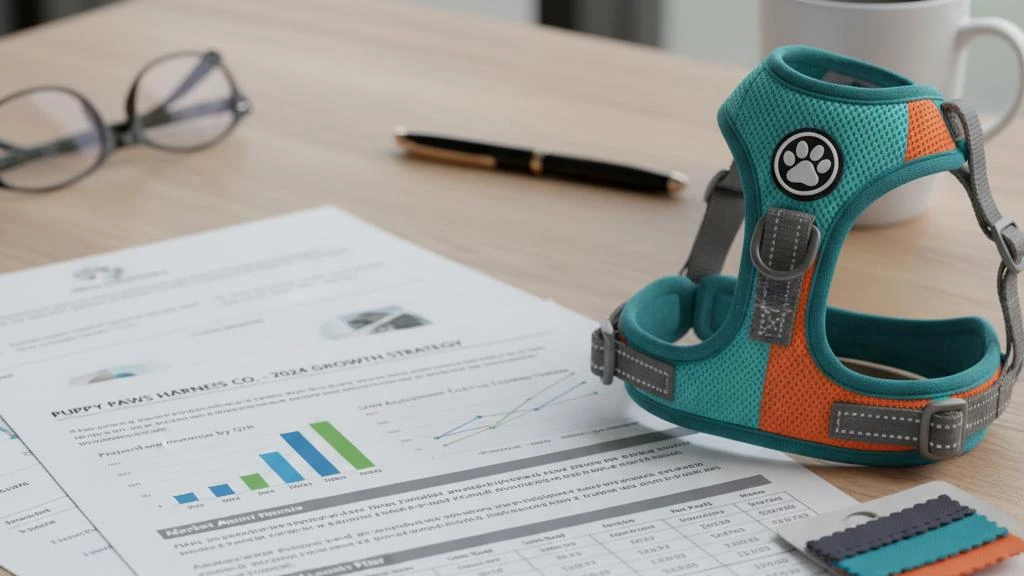
A slow-moving pet product is an item that consistently sells more slowly than expected compared with its purchasing volume, inventory level, or sales targets.
For example, a wholesaler may regularly reorder popular dog collars and leashes but find that certain harness styles remain in storage for several months.
However, sales volume alone is not enough to determine whether a product should be discontinued.
Buyers should review several factors:
Inventory turnover: How quickly does the product move from stock to customers?
Sales consistency: Has demand declined over several purchasing cycles?
Reorder frequency: Are customers placing fewer repeat orders?
Inventory holding costs: Is the product occupying storage space and working capital?
Profit contribution: Does the product generate enough profit to justify keeping it?
A product with low sales but a healthy profit margin and stable demand may still deserve a place in the product range.
The important point is to distinguish temporary sales fluctuations from a long-term decline in demand.
2. Five Signs That a Pet Product Should Be Discontinued
Before deciding to remove a product, buyers should look for consistent warning signs rather than relying on one disappointing sales period.
Sales Continue to Decline
If a product experiences declining sales across several consecutive review periods, buyers should investigate whether customer demand has changed.
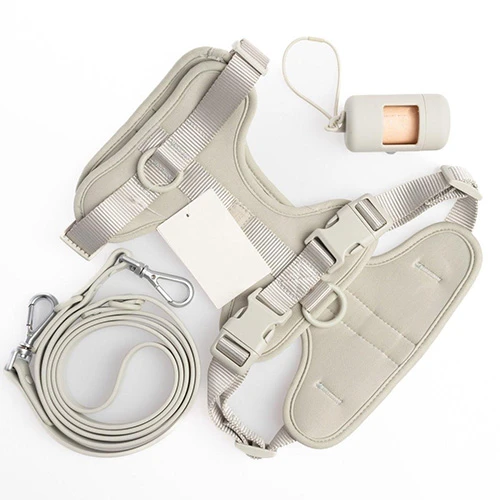
For example, a particular dog harness design may initially attract interest but gradually lose sales as customers move toward different functional features or styles.
A temporary decline may not require discontinuation. However, persistent weak performance deserves a closer review.
Inventory Remains Unsold for Too Long
Excess inventory is one of the most direct signs that purchasing decisions may need adjustment.
When a product remains in storage while newer products receive more customer attention, the business may be holding more stock than actual demand requires.
Buyers should compare current inventory with historical sales and expected future demand before placing another order.
Repeat Orders Become Less Frequent
For importers and wholesalers, repeat purchasing is an important indicator of product performance.
If regular customers stop reordering a particular dog leash, collar, or harness, buyers should investigate the reasons.
Possible explanations include changing customer preferences, stronger competing products, unsuitable pricing, or product performance concerns.
Product Costs No Longer Match Its Market Position
A product may become less competitive when production costs increase or competing products offer better perceived value.
If reducing the selling price would leave an insufficient profit margin, continuing to purchase the product may no longer make commercial sense.
Buyers should evaluate the total product cost, expected selling price, and remaining profit potential before making a decision.
The Product No Longer Fits the Brand's Direction
Pet brands regularly adjust their product ranges as their target customers and market positioning evolve.
For example, a brand moving toward premium outdoor pet accessories may decide to reduce basic product styles and introduce more functional dog harnesses or durable leashes.
Products that no longer support the brand's positioning may become candidates for discontinuation, even if they still generate some sales.
Should Brands Discontinue, Modify, or Reposition the Product?
Not every slow-moving product needs to disappear from the product range.
Before discontinuing an item, buyers should consider three possible actions.
Modify the Existing Product
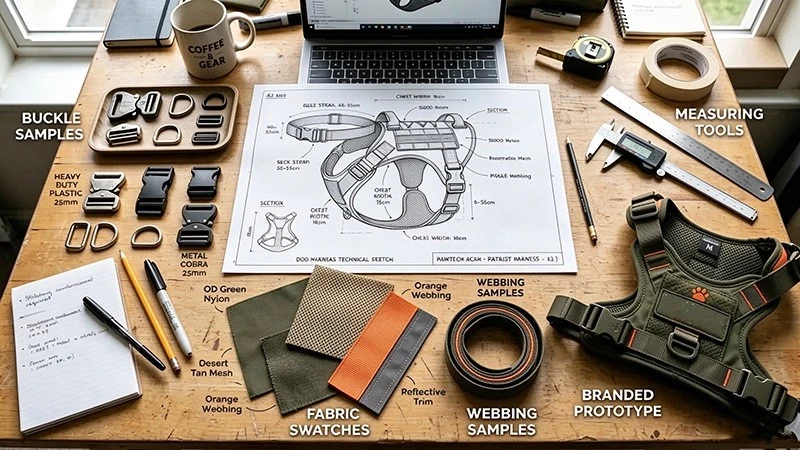
Modification may be appropriate when the product has potential but does not fully meet customer expectations.
For example:
Adjusting harness structures for better fit.
Improving leash handle comfort.
Changing hardware configurations.
Offering different colors or finishes.
Revising product materials to meet application requirements.
The goal is to address a specific product weakness rather than making changes without clear customer demand.
Reposition the Product
Sometimes the product itself is not the problem. It may simply be offered to the wrong customer segment or presented with an unclear value proposition.
A basic dog leash, for example, may be more suitable for price-sensitive wholesale buyers than for a premium pet accessory collection.
Changing its target market, sales channel, or product positioning may improve its commercial performance.
Discontinue the Product
Discontinuation becomes more reasonable when:
Demand remains weak despite reasonable adjustments.
Inventory continues to accumulate.
Profit margins are no longer attractive.
The product no longer supports the brand's strategy.
Better alternatives offer stronger commercial potential.
Buyers should also consider remaining inventory, outstanding customer commitments, and the cost of introducing a replacement product.
How Slow-Moving Products Affect Purchasing and Inventory Decisions
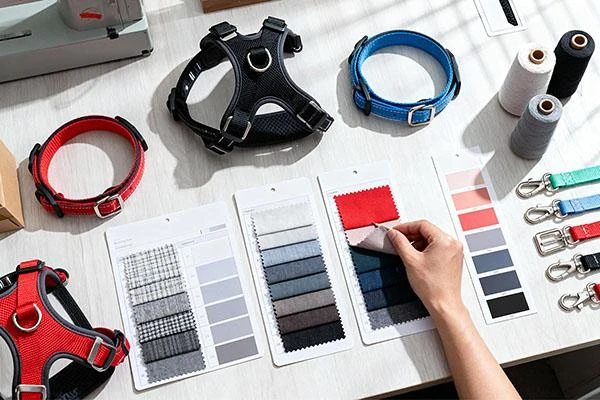
Continuing to purchase slow-moving products can create several problems for pet product businesses.
First, excessive inventory ties up purchasing capital that could be used for products with stronger demand.
Second, warehouse space becomes less available for popular products that require regular replenishment.
Third, repeated purchasing of weak-performing items can increase the risk of carrying outdated styles, colors, or product configurations.
For this reason, importers and wholesalers should connect product performance reviews with their purchasing plans.
A practical approach is to classify products into three groups:
| Product group | Purchasing decision |
|---|---|
| Strong performers | Maintain stock and plan regular replenishment |
| Products needing review | Reduce purchasing and evaluate possible modifications |
| Consistently weak performers | Consider discontinuation and replacement |
This classification helps purchasing teams allocate budgets according to actual product performance instead of continuing to reorder based on previous purchasing habits.
How to Introduce Replacement Products Without Increasing Inventory Risk
Removing a slow-moving product is only part of the decision. Buyers also need to decide what should replace it.
Introducing several new products at once can create additional inventory pressure, especially when market demand has not been confirmed.
A more controlled approach includes:
Start with a clear customer requirement.
Review customer feedback, sales records, and requests for product features that are not adequately covered by the existing range.
Develop a focused replacement concept.
Instead of launching many variations, select a product with a clear purpose, such as a more adjustable dog harness, a functional walking leash, or a redesigned collar.
Confirm the product specifications.
Before mass production, buyers should review dimensions, materials, colors, hardware, construction, logo placement, and sample quality.
Evaluate the initial market response.
Use actual customer feedback and sales performance to determine whether further purchasing is justified.
This process helps brands reduce unnecessary product variations and make more informed purchasing decisions.
Working with a Pet Product Manufacturer on Product Line Adjustments
A reliable manufacturing partner can support brands when they need to modify existing products or develop replacements.
For example, pet product manufacturers can help buyers review product structures, materials, hardware options, colors, and customization requirements.
At GH Material, we manufacture and customize pet products, including dog collars, leashes, and harnesses for overseas B2B customers.
Our OEM/ODM capabilities support product customization in areas such as product structure, size, color, and logo requirements, depending on the selected product.
When planning a replacement product, buyers should communicate their intended application, target specifications, design requirements, and expected order quantities.
Clear communication before sampling and production helps reduce misunderstandings and supports more consistent product development.
A successful product range is not necessarily the one with the largest number of SKUs. It is the one that balances customer demand, purchasing costs, inventory efficiency, and long-term commercial value.
Conclusion
Pet brands should consider discontinuing a slow-moving product when its weak performance becomes consistent, its inventory creates unnecessary financial pressure, and reasonable product adjustments are unlikely to improve its commercial potential.
However, discontinuation should not be an automatic response to low sales.
By reviewing inventory turnover, repeat orders, profitability, customer feedback, and product positioning, importers and wholesalers can make better decisions about which products to retain, modify, or replace.
Working with an experienced pet product manufacturer can also help brands translate these decisions into practical product improvements and new product development.
Looking to adjust your pet product range or develop replacement products? Contact GH Material to discuss your OEM/ODM requirements.
Frequently Asked Questions
Q: How Long Should A Pet Brand Wait Before Discontinuing A Slow-Moving Product?
A: There is no universal time limit. Buyers should consider the product category, sales cycle, seasonality, inventory turnover, and historical demand. Several consecutive review periods provide a more reliable basis for decision-making than one weak sales month.
Q: Should Wholesalers Stop Ordering A Product When Sales Decline?
A: Not immediately. Wholesalers should first investigate whether the decline is temporary or caused by pricing, product design, customer preferences, or distribution issues. Reducing order quantities may be more appropriate while evaluating the situation.
Q: Is It Better To Modify Or Discontinue A Slow-Moving Dog Harness?
A: It depends on the reason for weak performance. If customers identify specific issues with fit, adjustment, comfort, or hardware, modifying the product may be worthwhile. If demand remains consistently weak, discontinuation may be a better option.
Q: How Can Pet Brands Reduce Inventory Risk When Launching Replacement Products?
A: Brands can begin with a focused product concept, confirm specifications through sampling, evaluate customer feedback, and use actual sales performance to guide subsequent purchasing decisions.
Q: Can A Manufacturer Help Develop Replacement Pet Products?
A: Yes. An OEM/ODM manufacturer can support product customization and development, including adjustments to structure, size, color, materials, hardware, and logo requirements, depending on its production capabilities.