


How Can Importers Control Shipping Costs When Sourcing Wholesale Pet Accessories?
Nov 12, 2026
Leave a message
For pet product importers and wholesalers, the purchase price is only one part of the total sourcing cost. Packaging, carton dimensions, shipment volume, and product assortment can also influence the final cost of bringing goods into a target market.
When sourcing wholesale pet accessories, buyers often focus on negotiating unit prices and minimum order quantities. However, products with competitive factory prices may still create higher logistics expenses if their packaging and shipping arrangements are not planned properly.
For businesses importing dog collars, leashes, harnesses, and other pet accessories, packaging and carton planning should be considered during product development rather than after bulk production has started.
Here are five practical ways to manage shipping-related costs when purchasing pet accessories in bulk.
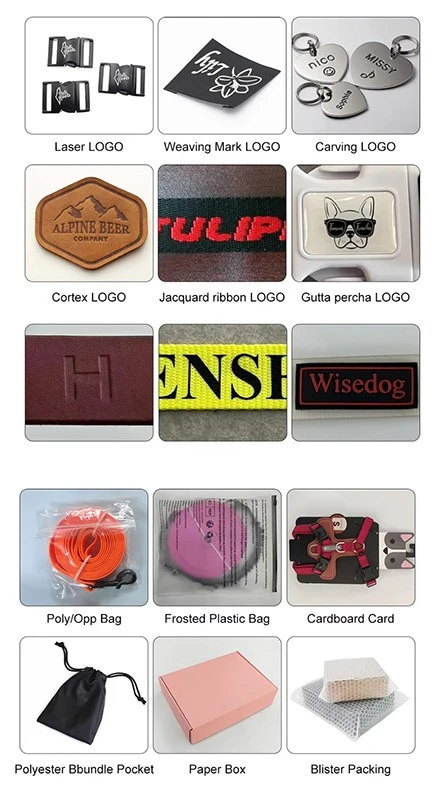
Evaluate Packaging Requirements Before Confirming Product Specifications
Packaging is often treated as the final step in a purchasing project. In practice, it should be considered alongside product specifications.
Different sales channels may require different packaging formats.
For example:
Wholesale distributors may prefer simple protective packaging suitable for warehouse handling.
Private-label brands may require branded hang tags, labels, and individual product packaging.
E-commerce sellers may need packaging that protects individual products during parcel delivery.
Retail-oriented buyers may require barcodes and product information on each package.
These requirements can affect the amount of packaging material used and the space occupied by each finished product.
Importers sourcing private label pet accessories should communicate their packaging requirements before bulk production. This allows the manufacturer to evaluate the packaging structure and confirm the relevant specifications in advance.
The objective is not simply to use less packaging. It is to avoid unnecessary packaging volume while maintaining product protection, presentation, and destination-market requirements.
Review Carton Dimensions Instead of Focusing Only on Product Weight
One important consideration in international shipping is the relationship between actual shipment weight and shipment volume.
Depending on the transportation method and carrier, freight charges may be calculated using actual weight, volumetric weight, or chargeable weight.
This means lightweight products can still occupy considerable shipping space.
For example, individually packaged dog collars may be relatively light, but oversized retail boxes or excessive protective materials can increase the total carton volume.
When purchasing bulk dog collars or wholesale dog leashes, importers should ask for estimated carton dimensions and packing quantities before confirming the shipment plan.
Useful information includes:
- Number of products per carton
- Outer carton length, width, and height
- Gross weight and net weight
- Number of cartons per order
- Total shipment volume
- Whether products require individual packaging
These details help buyers compare shipping quotations using more realistic shipment information.
A smaller carton is not automatically better. Packaging must still protect the products and prevent unnecessary compression, deformation, or damage during transportation.
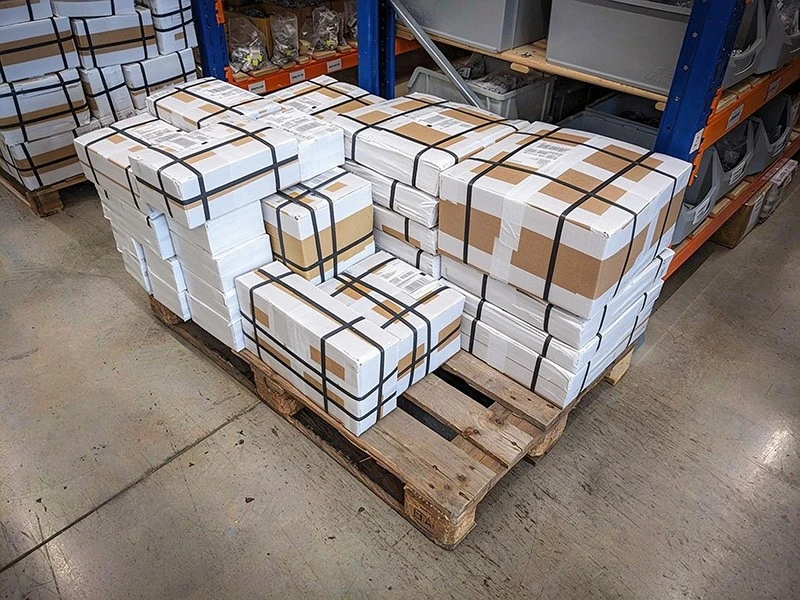
Coordinate Product Assortment to Improve Packing Efficiency
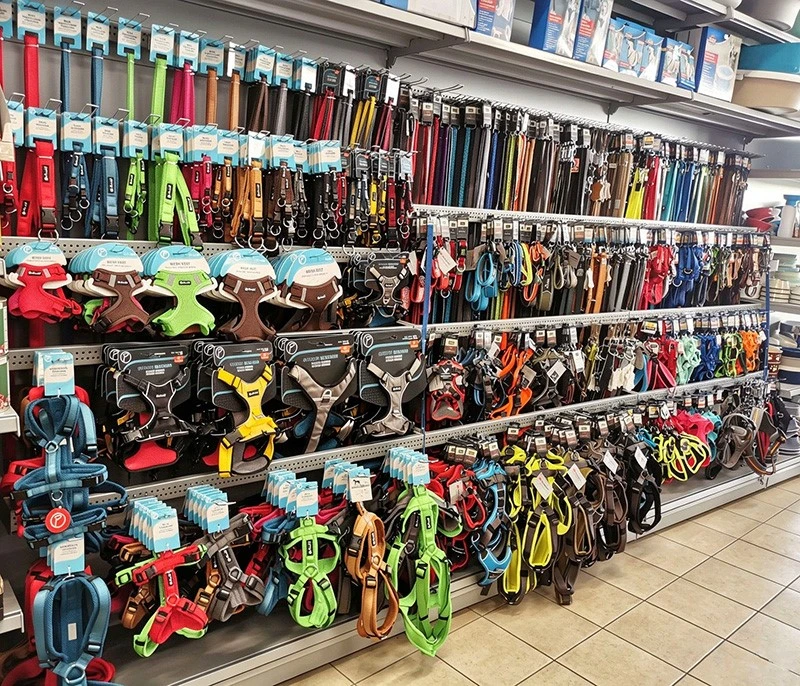
A wholesale order may contain several product categories, sizes, and colors. Without proper planning, the assortment can create unnecessary packing complexity.
For example, an importer purchasing dog collars, dog leashes, and dog harnesses may need different packaging arrangements for each product category.
Instead of treating every SKU as an independent packing project, buyers can review the overall order structure with the manufacturer.
Consider the following:
Standardize packaging where practical.
If different products can use the same packaging dimensions or labeling format without affecting product protection, standardization may simplify packing operations.
Plan size and color quantities together.
A clear assortment plan helps the manufacturer estimate carton quantities and prepare suitable packing arrangements before production is completed.
Separate products according to shipping and receiving requirements.
Buyers may need cartons organized by product type, SKU, color, or destination warehouse. These requirements should be confirmed before packing.
For importers purchasing wholesale pet accessories, a well-organized product assortment can make receiving, warehouse identification, and inventory handling more manageable.
The goal is to balance product variety with practical packing arrangements.
Compare Packaging Costs With the Overall Landed Cost
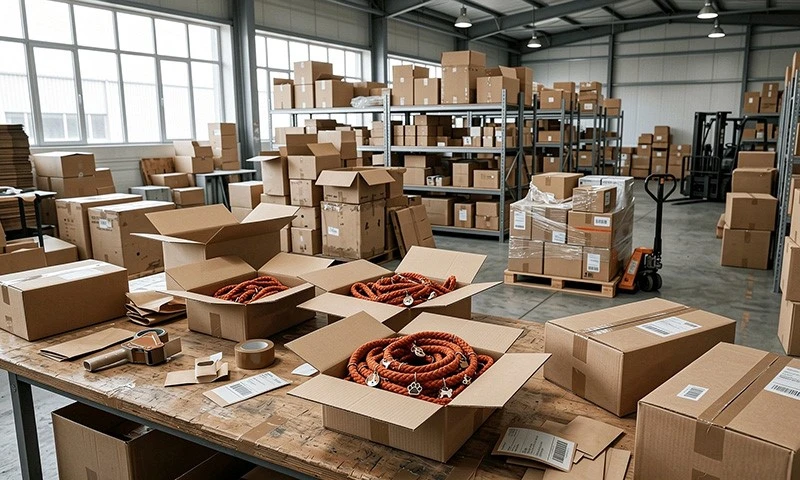
Reducing packaging expenses does not always reduce the total cost of importing a product.
For example, switching from individual protective boxes to simpler packaging may reduce packing material expenses. However, if the new arrangement increases the risk of product damage or requires additional handling at the destination warehouse, the overall financial result may be less favorable.
Importers should therefore compare packaging decisions using a broader cost perspective.
| Cost factor | What buyers should evaluate |
|---|---|
| Product packaging | Material, printing, labels and individual packaging |
| Carton packing | Carton quality, dimensions and packing quantity |
| Freight | Actual weight, volumetric weight and shipping method |
| Handling | Loading, unloading and warehouse requirements |
| Product protection | Risk of deformation, scratches or damage |
| Destination handling | Sorting, relabeling and receiving requirements |
For custom pet products, packaging should match the product's sales channel and distribution model.
A private-label brand may need stronger visual presentation, while a wholesale distributor may prioritize efficient warehouse storage and handling.
The best packaging solution is the one that supports the buyer's sales requirements without creating unnecessary costs elsewhere in the supply chain.
Confirm Packing Specifications Before Bulk Production
One common source of unnecessary coordination is confirming packaging requirements too late.
If an importer changes the packaging format after products have been manufactured, the supplier may need to arrange additional materials, modify labels, reorganize products, or repeat packing work.
To reduce this risk, buyers should include packing information in the purchase specification.
Before placing a bulk order, confirm:
Individual packaging requirements
Product labels and barcode information
Hang tags and branding artwork
Products per inner package
Products per outer carton
Carton dimensions and weight requirements
Shipping marks and destination information
Any special warehouse receiving instructions
For private label dog accessories, packaging artwork and labeling details should also be reviewed before mass production.
A pet accessories manufacturer should be informed of these requirements early enough to coordinate product manufacturing and packing arrangements.
For repeat orders, importers should retain the approved packaging specifications as part of their product records. This makes it easier to maintain consistent packing arrangements across future shipments.
Conclusion: Treat Packaging as Part of Your Sourcing Strategy
Managing shipping costs when sourcing wholesale pet accessories requires more than negotiating a lower unit price.
Importers should evaluate packaging formats, carton dimensions, product assortment, freight calculations, and destination handling requirements together.
For buyers purchasing bulk dog collars, wholesale dog leashes, and other custom pet products, early communication about packing requirements can help avoid unnecessary changes and improve shipment planning.
GH Material manufactures custom dog collars, dog leashes, dog harnesses, and selected pet accessories for overseas B2B buyers. Our OEM/ODM capabilities include product customization, branding, labels, packaging, and bulk production coordination.
If you are developing a private-label pet product project, share your product specifications, packaging requirements, estimated quantities, and destination market with our team to discuss a suitable manufacturing and packing solution.
Frequently Asked Questions
Q: Why Should Importers Confirm Packaging Before Bulk Production?
A: Early confirmation allows the manufacturer to coordinate packaging materials, labels, carton arrangements, and product specifications before mass production. It can help avoid unnecessary repacking and last-minute changes.
Q: Does Product Weight Determine International Shipping Costs?
A: Not always. Depending on the shipping method and carrier, freight may be calculated using actual weight, volumetric weight, or chargeable weight. Buyers should request both carton dimensions and gross weight when comparing quotations.
Q: Can Private-Label Pet Accessories Use Customized Packaging?
A: Yes. Depending on the product and project requirements, customization may include product labels, hang tags, branded packaging, polybags, barcodes, and carton packing specifications.
Q: Should Wholesale Dog Collars And Leashes Use The Same Packaging?
A: Not necessarily. Packaging should reflect the product dimensions, protection requirements, sales channel, and warehouse handling needs. Some packaging formats may be standardized where practical.
Q: What Information Should Importers Provide When Requesting A Packaging Quotation?
A: Buyers should provide product types, estimated quantities, packaging preferences, branding artwork, barcode requirements, destination country, and any specific carton or warehouse requirements.