

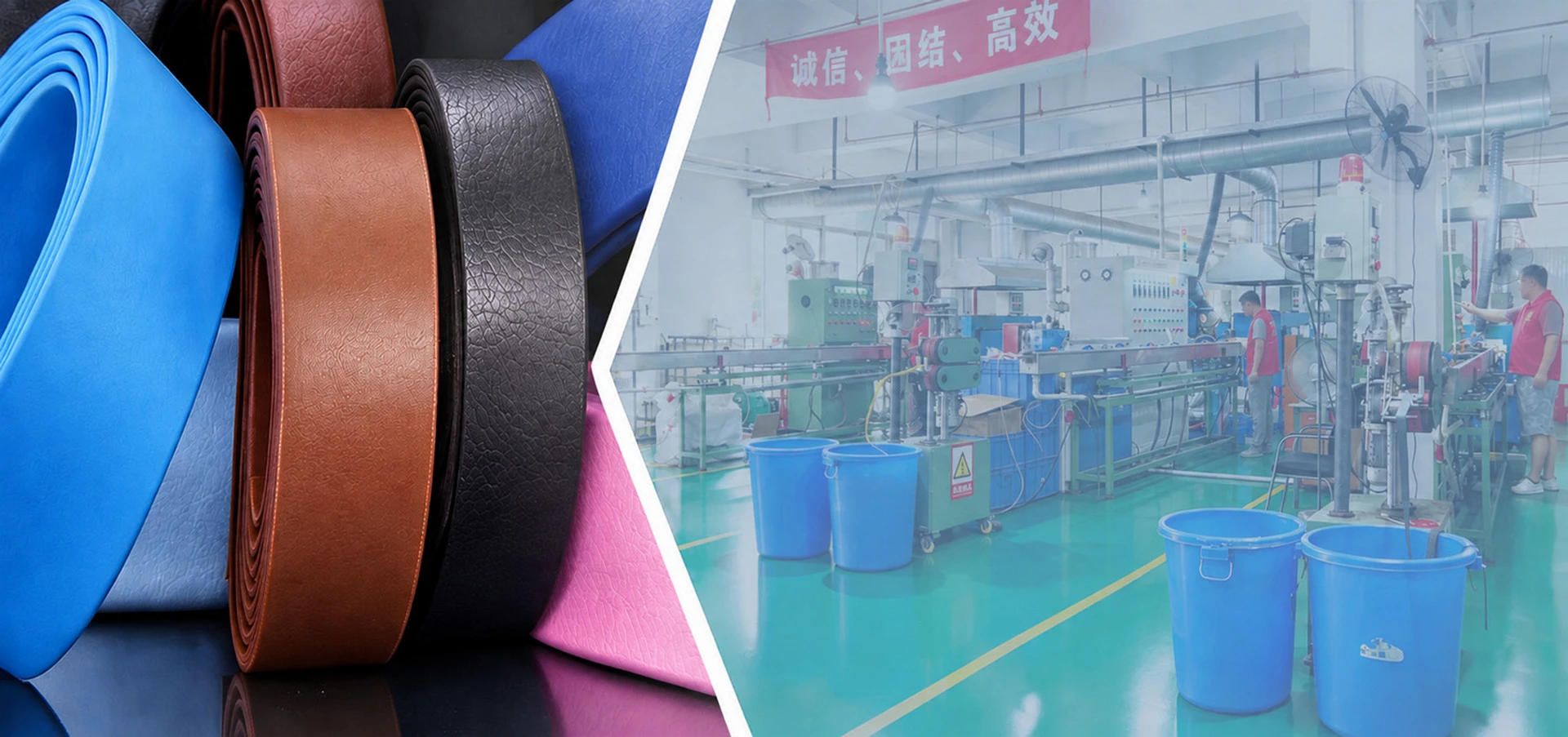
What Information Does a Manufacturer Need for Custom Webbing?
Oct 31, 2026
Leave a message
When sourcing custom webbing, buyers often focus on price and order quantity. However, a manufacturer needs more detailed information to evaluate the material, production requirements, and customization possibilities.
Incomplete specifications can lead to inaccurate quotations, unnecessary sample revisions, and misunderstandings during bulk production.
For B2B buyers sourcing PVC or TPU coated webbing, preparing the following information before requesting a quotation can make the purchasing process more efficient.
Webbing Material Requirements
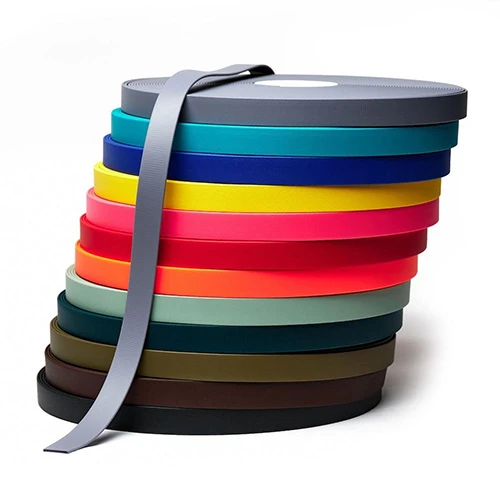
The first step is identifying the material required for the webbing.
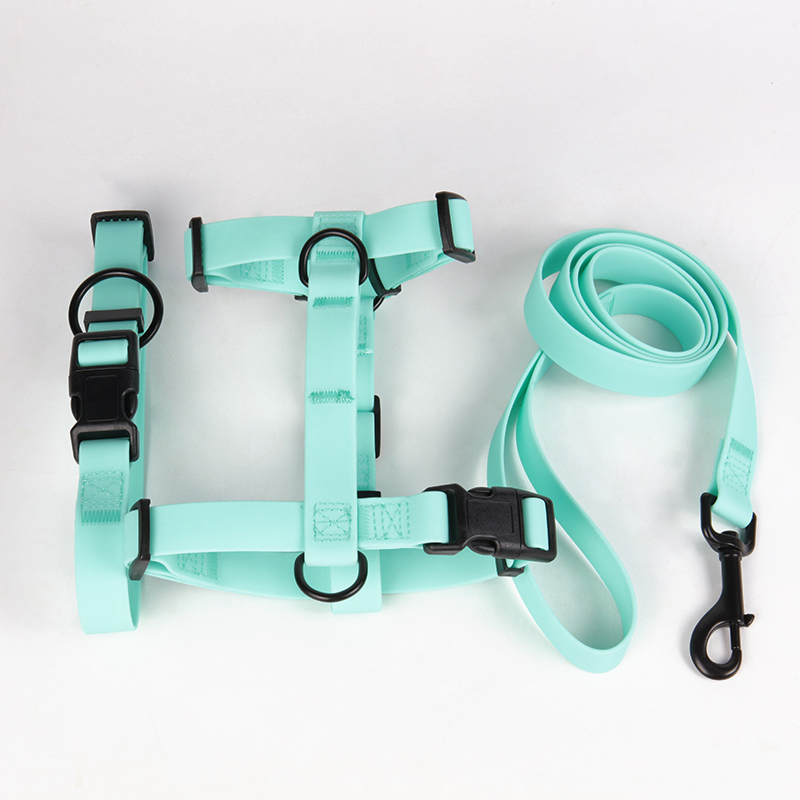
Common options include PVC-coated and TPU-coated webbing. Although both can be used for applications such as dog collars, leashes, and other accessories, they have different material characteristics and price considerations.
Buyers should specify:
- Required material: PVC or TPU
- Base fabric: Polyester or nylon
- Whether an existing material sample is available
- Any specific flexibility, hardness, or surface requirements
If the buyer is unsure which material is suitable, the manufacturer can evaluate the intended application and recommend an appropriate option.
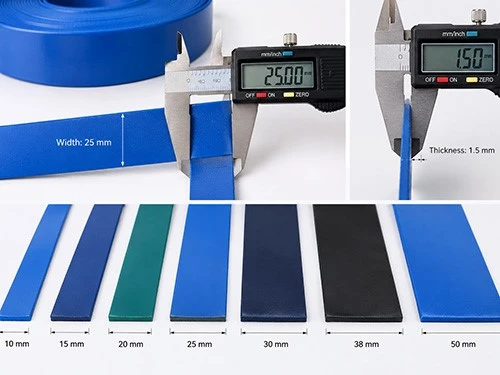
Width and Thickness Specifications
Dimensions directly affect the finished product and its compatibility with other components.
For example, webbing used for a dog collar must match the dimensions of its buckles, D-rings, and adjustment hardware.
- Before requesting a quotation, buyers should provide:
- Required webbing width
- Target thickness
- Acceptable dimensional tolerances, if specified
- Whether the dimensions refer to the finished coated webbing
Providing a physical sample or technical drawing can help avoid misunderstandings about measurements.
Color and Surface Finish
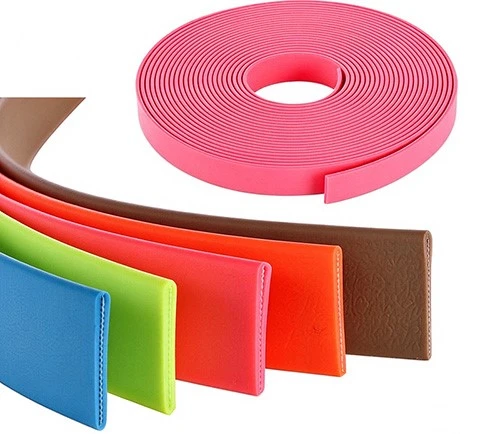
Color and appearance are important when developing custom webbing for private-label products or brand collections.
Manufacturers may need to know:
- Required color or Pantone reference
- Whether the color should match an existing product
- Matte, glossy, or other surface finish requirements
- Whether a smooth or textured surface is preferred
- Whether printed patterns, embossing, or other customization is required
For repeat orders, retaining an approved color reference or physical sample can help maintain consistency between production batches.
Mechanical and Performance Requirements
The intended application determines what performance characteristics the webbing needs.
For example, webbing used in dog leashes may require different strength considerations from webbing used for bag handles.
Buyers should communicate relevant requirements, including:
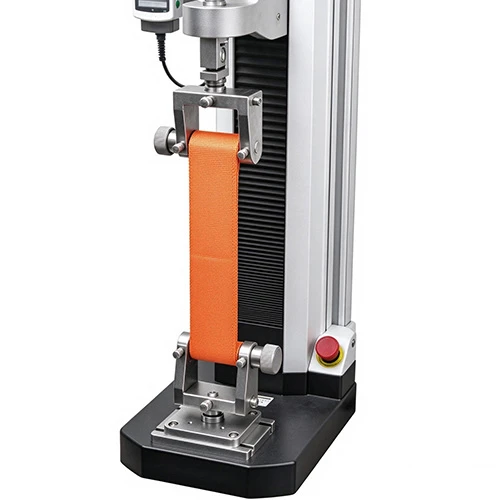
- Required breaking strength
- Flexibility and hardness
- Abrasion resistance
- Waterproof performance
- Expected operating environment
- Any applicable testing standards
If a specific test method or minimum performance level is required, buyers should communicate it before sampling or production.
Manufacturers can then evaluate whether the proposed material and construction are suitable for the application.
For dog leash applications, buyers should also consider the strength requirements of the finished product.
Customization and Logo Requirements
For branded products, customization details should be confirmed before sample development.
Depending on the manufacturing process, buyers may request:
- Custom colors
- Printed logos
- Embossed logos
- Special surface finishes
- Customized width and thickness
Artwork should preferably be supplied in a clear, high-resolution format. Buyers should also explain the required logo position, dimensions, and repeat spacing when applicable.
These details help manufacturers evaluate production feasibility and avoid unnecessary adjustments later.
These customization details are also important when developing custom dog collars for private-label collections.
Order Quantity and Packaging Requirements
Order quantity affects material preparation, production scheduling, and unit pricing.
When requesting a quotation, buyers should provide:
Estimated order quantity
Quantity per color or specification
Whether the order is a trial order or a regular purchase
Expected reorder frequency, if known
Packaging and labeling requirements
For buyers planning multiple colors or specifications, separating the quantities clearly makes quotation comparisons more accurate.
Application and End-Product Information
A manufacturer cannot evaluate every customization requirement based on dimensions alone.
Knowing the final application helps the production team understand how the webbing will be used and which specifications are important.
For example:
| Application | Important information |
|---|---|
| Dog collars | Width, thickness, hardware compatibility, and strength |
| Dog leashes | Length, width, flexibility, and load requirements |
| Bag handles | Width, thickness, appearance, and durability |
| Outdoor accessories | Water resistance, abrasion resistance, and environmental requirements |
Photos, product drawings, or existing samples can provide useful references.
Sample and Reference Requirements
If the buyer already has a preferred product, sending a physical sample can reduce uncertainty.
A reference sample allows the manufacturer to examine its dimensions, surface finish, flexibility, color, and construction.
Buyers should also clarify whether they need:
A sample based on an existing specification
A new sample with customized materials
A revised sample based on previous feedback
A production sample for final approval
Any differences between the reference sample and the requested finished product should be clearly documented.
Conclusion
Successful custom webbing production starts with clear communication between the buyer and manufacturer.
Before requesting a quotation, buyers should prepare information about material, dimensions, color, performance requirements, customization, order quantity, and final application.
Not every project requires a complete technical specification at the first inquiry. However, providing as much relevant information as possible helps manufacturers evaluate feasibility, prepare more accurate quotations, and reduce unnecessary revisions.
At GH Material, we supply PVC and TPU coated webbing for applications including pet collars, dog leashes, and other customized products. Buyers can share their required specifications, reference samples, or application details to discuss suitable material and customization options.
Contact GH Material to discuss your custom PVC or TPU coated webbing requirements.
FAQ
Q: Can I request a quotation without a technical drawing?
A: Yes. Buyers can start with basic information such as material, width, thickness, color, estimated quantity, and application. A reference photo or physical sample can also help.
Q: Do I need to choose PVC or TPU before contacting a manufacturer?
A: Not necessarily. If you are unsure, explain the intended application and performance requirements so the manufacturer can help evaluate the suitable material.
Q: Why does the manufacturer need to know the final application?
A: Different applications have different requirements for dimensions, flexibility, strength, and durability. Application details help manufacturers evaluate the proposed specifications.
Q: Can I customize the color and logo of coated webbing?
A: Customization possibilities depend on the material and production process. Buyers should provide color references and logo artwork for feasibility evaluation.
Q: What information is most important for an initial quotation?
A: Material, width, thickness, color, estimated order quantity, and application are useful starting points. Additional performance and customization details can be confirmed during technical discussions.