

How Do Sales Channels Influence Pet Product Design Requirements?
Oct 30, 2026
Leave a message
Pet products are not always designed for the same type of buyer or sales environment. A dog leash sold through a wholesale distributor may have different requirements from one developed for an online private-label brand or a specialty pet store.
For importers and pet product brands, understanding these differences is important before starting product development. The sales channel influences product positioning, design priorities, material selection, packaging, and customization requirements.
When planning a new pet accessory collection, buyers should consider where the products will be sold and what their target customers expect.
Wholesale Distribution Requires Practical Product Specifications
Wholesale distributors usually purchase products in quantities and supply them to multiple retailers or regional customers.
Their product requirements often focus on practical features that can serve a relatively broad customer base.
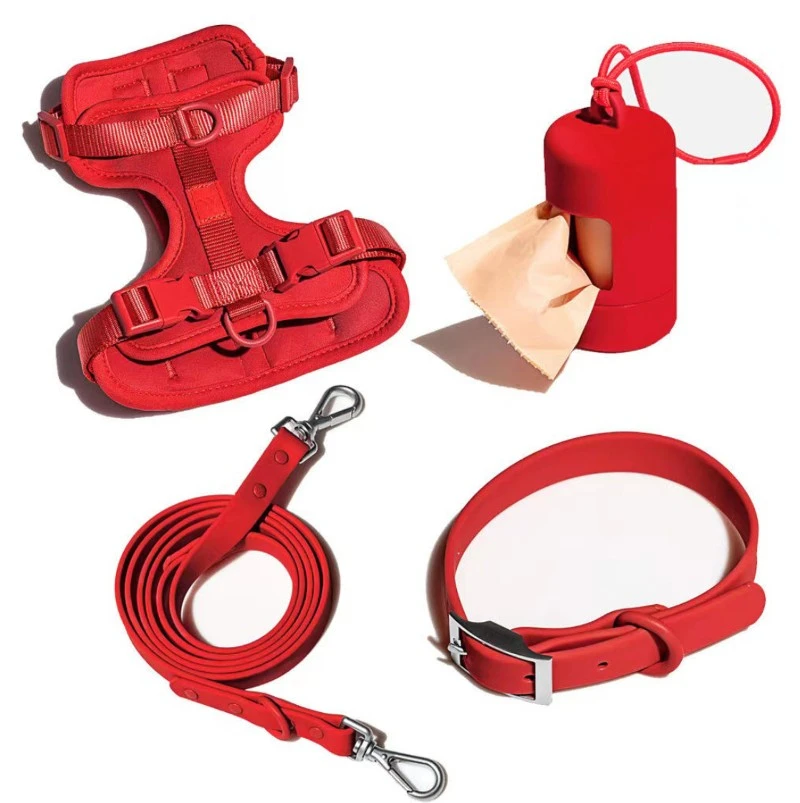
For dog collars and leashes, buyers may prioritize:
Common product sizes and adjustable structures
Practical colors suitable for different customer preferences
Durable materials for regular use
Consistent specifications across bulk orders
Product combinations that can be supplied together
For manufacturers, this means that product specifications should be clearly defined before production.
For example, a distributor purchasing PVC-coated dog leashes may need consistent strap width, thickness, color, and hardware configurations across different order batches.
A product that is easy to specify and reorder can be more practical for wholesale distribution.
Private-Label Brands Need More Control Over Product Identity
Private-label brands often want products that reflect their own brand positioning rather than simply purchasing standard designs.
Their requirements may extend beyond basic product specifications.
When developing custom pet collars, leashes, or harnesses, buyers may consider:
Custom colors and material finishes
Printed or embossed brand logos
Specific hardware combinations
Customized product structures
Consistent visual details across a product collection
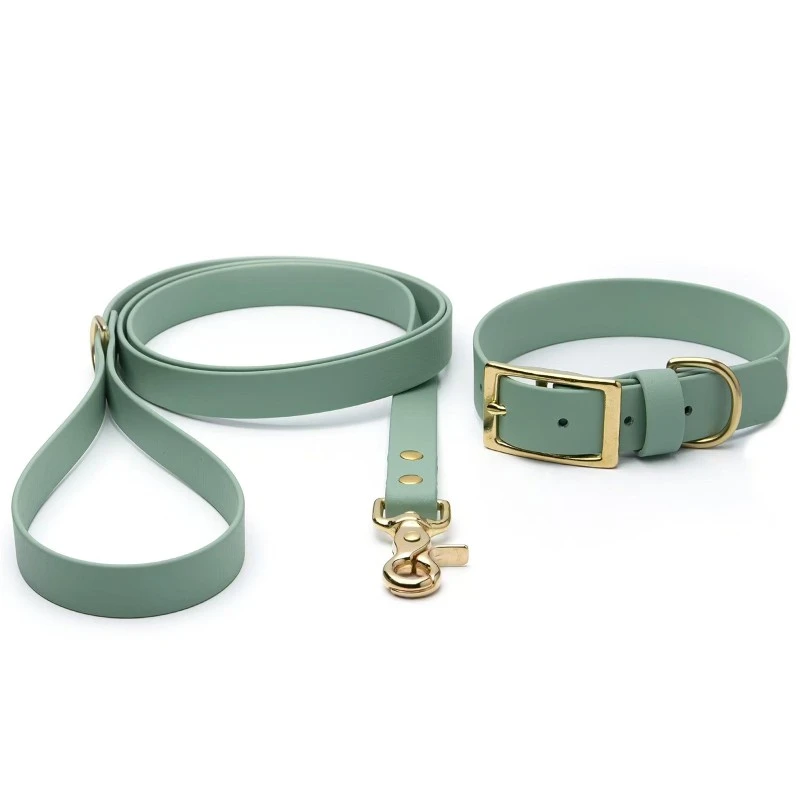
For example, a brand developing a coordinated dog collar and leash collection may require matching colors, logo placement, strap materials, and hardware finishes.
PVC and TPU-coated webbing can be considered for products requiring customized colors and different material characteristics.
The important point is to confirm which design elements must remain consistent across the entire collection before bulk production.
E-Commerce Products Need Clear Product Specifications
Online sales create a different set of product requirements.
Customers usually evaluate products through photographs, descriptions, dimensions, and displayed product features before making a purchase.
For e-commerce brands, unclear specifications can create misunderstandings between the product description and the actual item received.
Buyers developing products for online channels should pay attention to:
Accurate size and measurement information
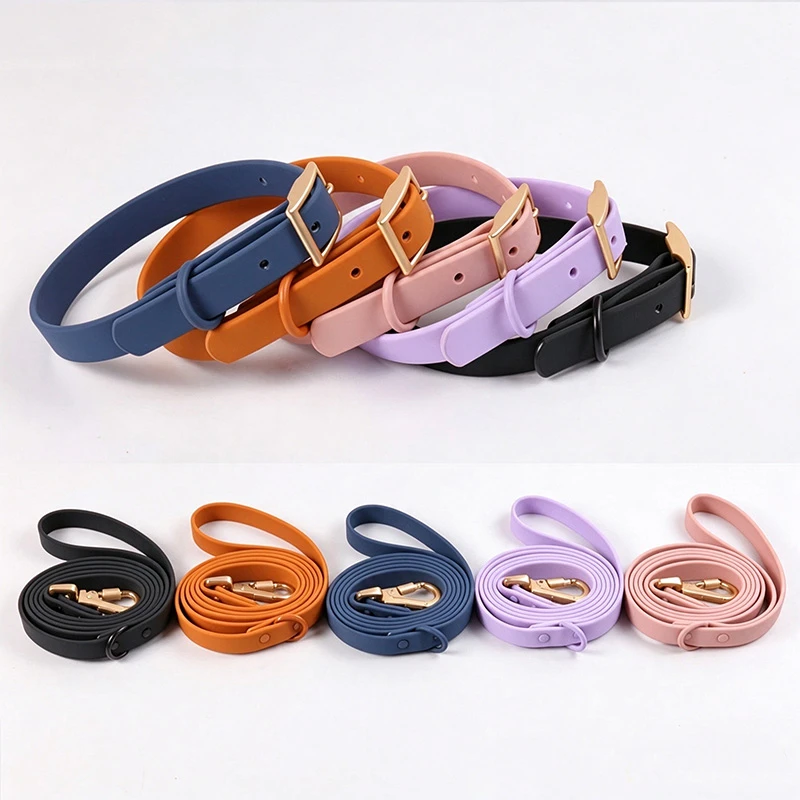
Clear product variations
Consistent product appearance
Understandable functional features
Product photographs that represent the actual specifications
For example, a dog collar offered in several sizes should have clearly defined adjustment ranges and strap dimensions.
If different sizes use different hardware or construction methods, these details should also be confirmed during product development.
Clear specifications help brands manage product information and reduce avoidable misunderstandings.
Specialty Pet Stores May Require More Distinctive Product Collections

Specialty pet stores often organize products around particular customer preferences, product styles, and functional needs.
Their purchasing requirements may therefore differ from those of general wholesale distributors.
Buyers supplying specialty stores may consider:
Distinctive colors and finishes
Coordinated collar and leash designs
Different product styles within one collection
Functional details suited to specific product applications
Consistent visual presentation
For instance, a pet accessory collection may include matching collars, leashes, and harnesses with coordinated materials and hardware.
Instead of developing unrelated individual products, buyers can consider how several products work together as a collection.
This can also influence the manufacturer's production planning because different products may require separate specifications and assembly arrangements.
Sales Channels Should Be Considered Before Product Development
A common mistake is to finalize a product design before deciding how the product will be sold.
However, the intended sales channel can affect several development decisions.
| Design consideration | Wholesale distribution | Private-label brands | E-commerce |
|---|---|---|---|
| Product specifications | Standardized and practical | Brand-specific | Clearly defined |
| Customization | Depends on buyer requirements | Often important | Depends on positioning |
| Product range | Broad market coverage | Collection consistency | Clear variations |
| Product information | Wholesale specifications | Brand requirements | Detailed product descriptions |
| Packaging | Distribution requirements | Brand presentation | Shipping and presentation requirements |
These are general planning considerations rather than fixed rules. Actual requirements depend on each buyer's target market and business model.
Before requesting a quotation, buyers should communicate the intended sales channel, target product range, customization requirements, and expected order quantities.
This allows manufacturers to understand the project more accurately.
6. What Buyers Should Confirm With Manufacturers
Once the sales channel and product direction are established, buyers should translate their commercial requirements into specific manufacturing instructions.
For custom pet accessories, important details include:
Product structure: Confirm the design, dimensions, adjustment methods, and component arrangement.
Material selection: Specify whether PVC-coated webbing, TPU-coated webbing, or another material is required.
Hardware configuration: Confirm buckles, D-rings, swivel hooks, adjusters, and their required finishes.
Customization: Define colors, logos, embossing, printing, and other requested details.
Product variations: Identify the sizes, colors, and product combinations needed for the collection.
Production specifications: Confirm the approved specifications that should be followed during bulk production.
Clear communication helps reduce misunderstandings between product development and manufacturing.
Conclusion
Different sales channels can create different requirements for pet product design and development.
Wholesale distributors may prioritize practical specifications and repeat-order consistency. Private-label brands may focus more on customization and brand identity, while e-commerce businesses often need clear product variations and accurate product information.
For importers and pet product brands, identifying the intended sales channel before developing a product can make purchasing decisions more structured.
GH Material supplies customizable pet collars, leashes, harnesses, and PVC/TPU-coated webbing for overseas B2B buyers. Buyers can discuss their product specifications, material requirements, and customization needs with our team when developing new pet accessory collections.
Frequently Asked Questions
Q: Do Different Sales Channels Require Different Pet Product Designs?
A: Not necessarily. A basic product design may serve multiple channels, but specifications, customization, packaging, and product presentation may need to change.
Q: Why Should Buyers Identify Their Sales Channel Before Requesting A Quotation?
A: The sales channel helps define product requirements, customization priorities, product variations, and packaging expectations. This gives manufacturers clearer information when preparing quotations.
Q: Can The Same Dog Collar Design Be Used For Different Markets?
A: Yes. The same basic design can sometimes serve different markets, but buyers should confirm size ranges, materials, hardware, labeling, and other market-specific requirements.
Q: What Information Should Buyers Provide When Developing Custom Pet Accessories?
A: Buyers should provide product references, dimensions, materials, colors, hardware requirements, logo details, target quantities, and intended sales applications.