

Metal vs. Plastic Hardware for Dog Collars and Leashes: What Should Buyers Consider
Oct 23, 2026
Leave a message
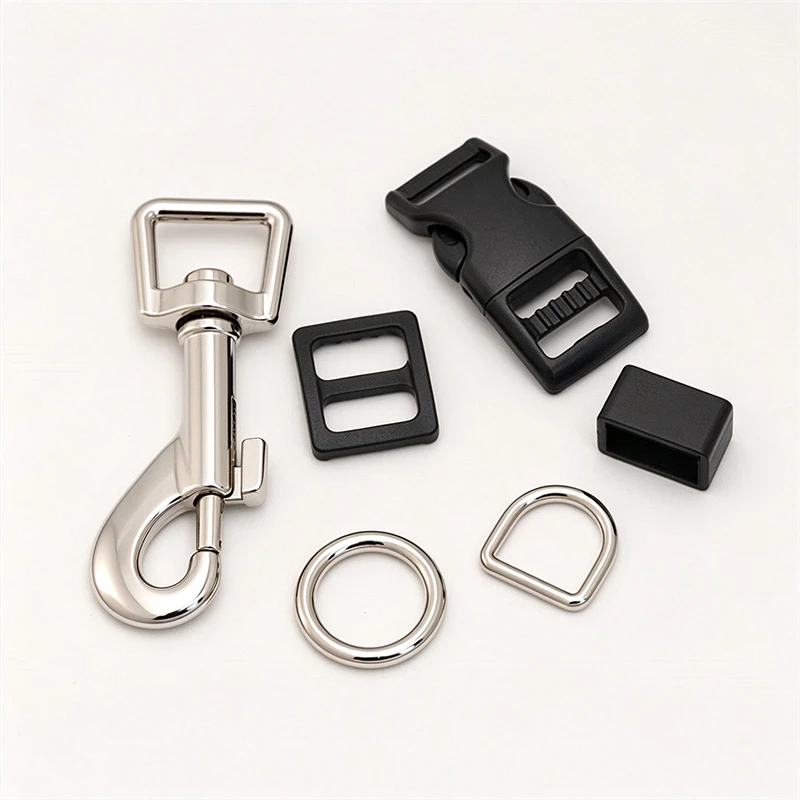
When developing dog collars and leashes for wholesale or private-label markets, hardware selection affects more than product appearance. Buckles, D-rings, swivel hooks and adjusters each serve a different function, and the most suitable material depends on the component's role, the product design and its intended use.
Metal hardware is often associated with a solid appearance and mechanical strength, while plastic components can help reduce weight and support convenient adjustment or release. However, neither material is automatically the best choice for every application.
For importers, wholesalers and pet brands, the key is to evaluate each component according to its function rather than selecting hardware based on material or appearance alone.
Understand the Different Roles of Pet Product Hardware
Before comparing materials, buyers should identify what each hardware component needs to do.
Buckles
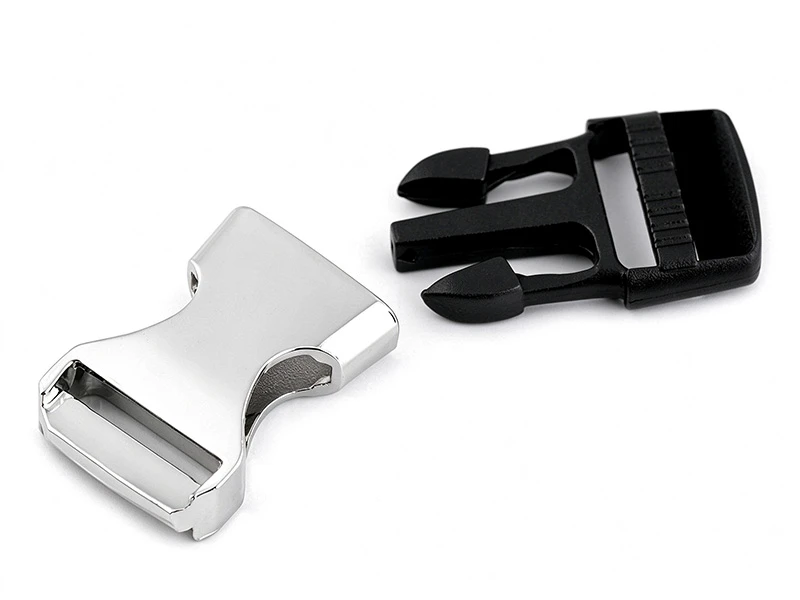
Buckles connect and release the collar or harness. Plastic side-release buckles are commonly used where convenient fastening and lower product weight are priorities. Metal buckles may suit designs that require a different appearance or construction.
The choice should consider the buckle mechanism, dimensions, webbing compatibility and intended application. Buyers can also review our guide to dog collar buckle selection when comparing buckle options."
D-Rings
D-rings provide an attachment point for a leash or other accessories. Metal D-rings are widely used in collars and leashes because they can be manufactured in different shapes, sizes and finishes.
Buyers should check the ring's dimensions, cross-section, material and connection method. The ring must be suitable for the intended load, and its attachment to the webbing also matters.
Swivel Hooks
Swivel hooks connect a leash to a collar or harness and allow the connection to rotate. Metal hooks are common in these applications.
When evaluating a hook, buyers should consider the opening mechanism, gate closure, swivel movement, dimensions and compatibility with the attachment ring. The quality of the mechanism matters as much as the material itself.
Adjusters
Adjusters allow users to change collar or harness dimensions. Depending on the product design, these may be plastic or metal.
The adjuster must fit the webbing width and thickness and hold the strap in its intended position during use.
Metal vs. Plastic Hardware: Key Differences
| Purchasing factor | Metal hardware | Plastic hardware |
|---|---|---|
| Weight | Often heavier, depending on design | Often lighter |
| Appearance | Offers various metallic finishes and a solid visual style | Supports a range of shapes and colors |
| Corrosion | Depends on metal grade, coating and exposure | Does not rust like iron-based metals, but may still degrade under environmental exposure |
| Mechanical performance | Depends on alloy, geometry, manufacturing and finish | Depends on polymer type, design, molding quality and operating conditions |
| Maintenance | Surface finish and corrosion resistance need consideration | Material aging, wear and cracking should be considered |
| Cost | Varies with metal type, finish and processing | Varies with polymer, tooling and production volume |
These are general comparisons, not guarantees for every component. A well-designed plastic buckle may be more appropriate than an unsuitable metal alternative, and a metal component with an inadequate finish may not perform well in wet conditions.
Match the Material to the Product's Intended Use
Everyday Dog Collars
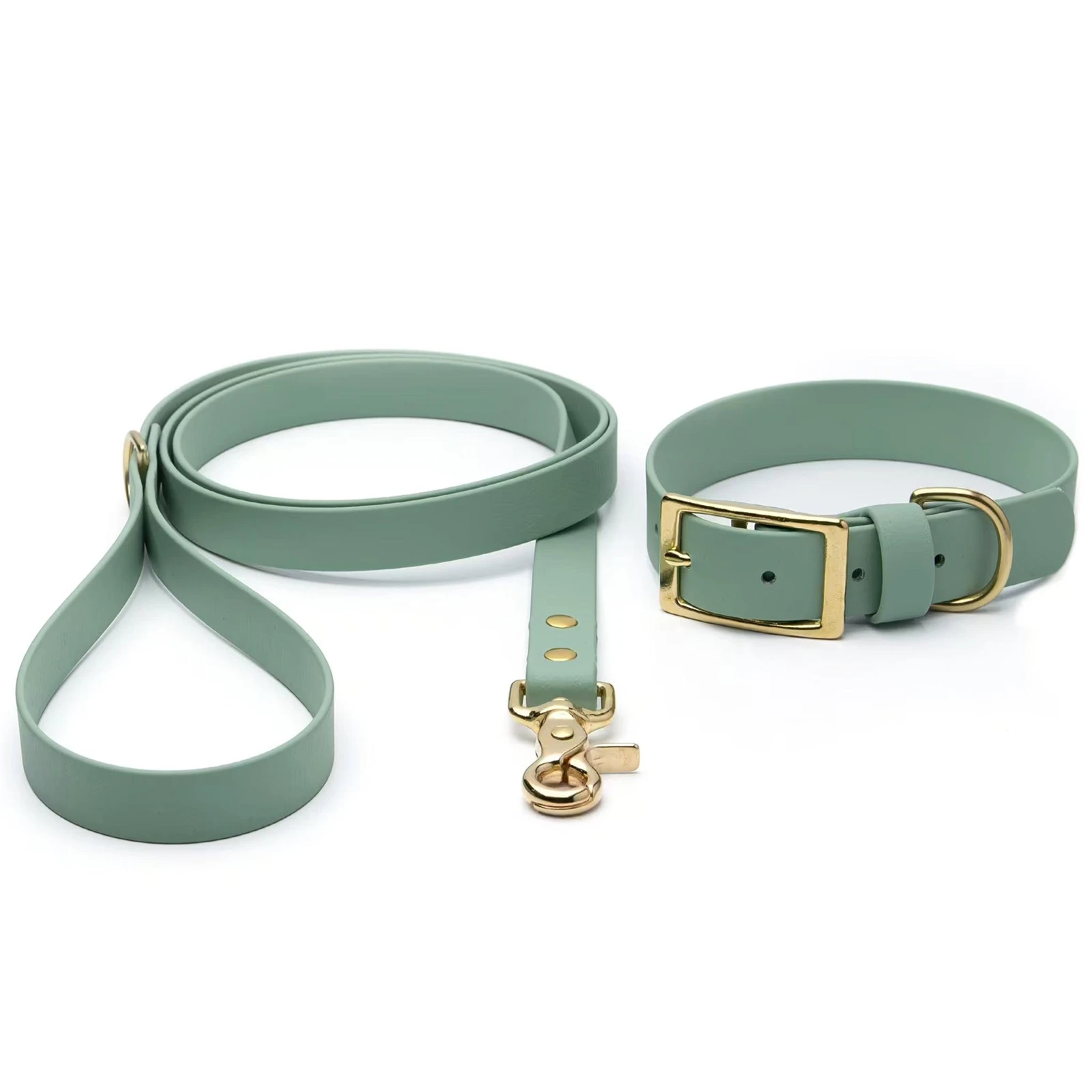
For everyday collars, buyers may combine a plastic buckle with a metal D-ring. This configuration can balance convenient fastening with a dedicated leash attachment point.
The final design should account for the dog's size, the collar's construction and the intended use. Buyers should not assume that a buckle is suitable for leash attachment unless the product has been specifically designed and tested for that function.
Dog Leashes
A leash may use a metal swivel hook at the connection point, while other components depend on the strap design and intended application.
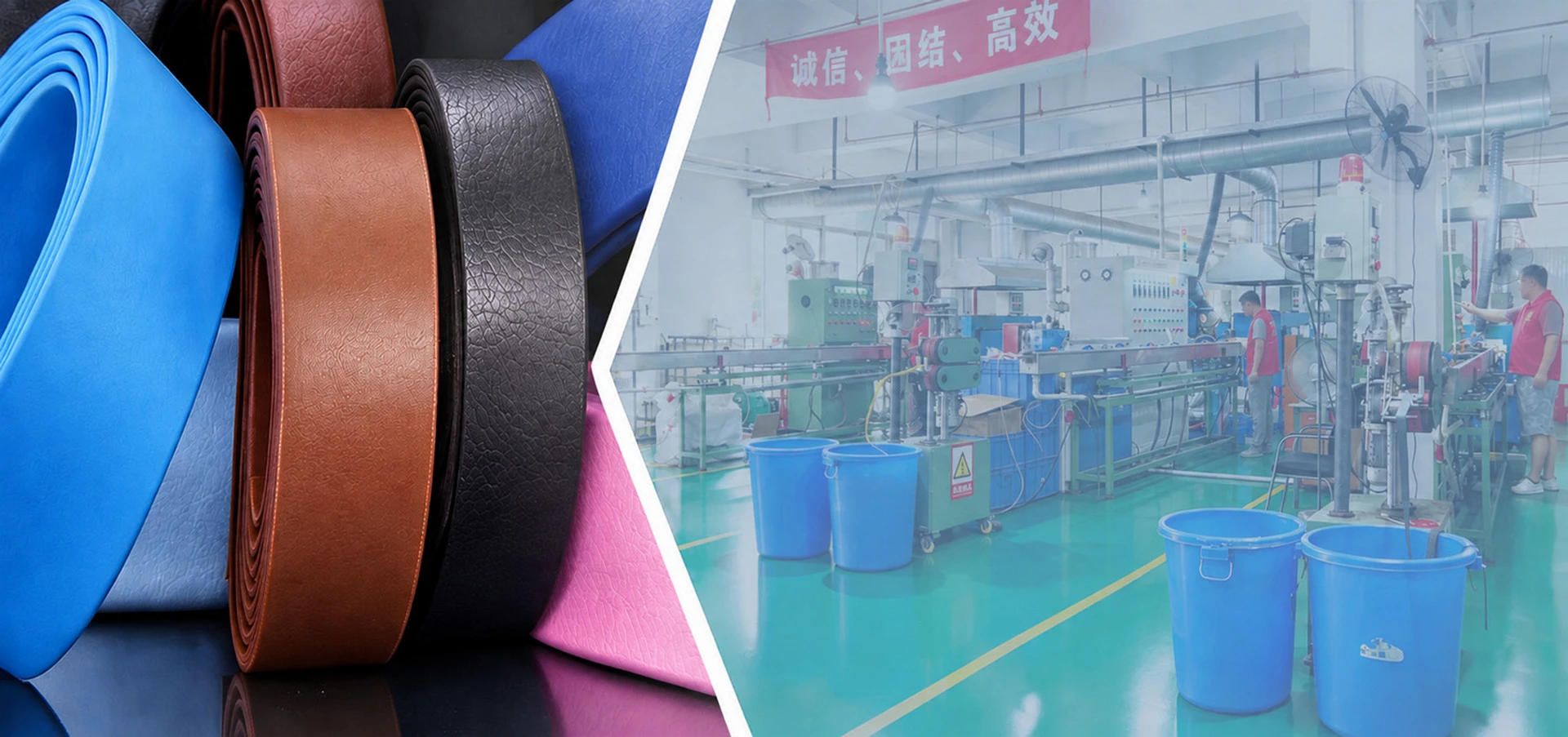
For waterproof PVC- or TPU-coated webbing leashes, buyers should also consider how the hardware connects to the coated strap. Explore our PVC and TPU coated webbing options for more information about these materials. Stitching, reinforcement, attachment geometry and compatibility with the webbing can affect the performance of the complete product.
Outdoor and Water-Exposed Products
For products exposed to rain, frequent washing or outdoor conditions, corrosion resistance becomes an important consideration for metal parts.
Buyers should confirm the actual metal grade and surface finish instead of relying only on descriptions such as "stainless steel," "silver finish" or "rust-resistant." For plastic components, environmental exposure and temperature may also affect long-term performance.
Why Material Alone Does Not Determine Strength
A common purchasing mistake is to assume that metal hardware is always stronger than plastic hardware.
Actual performance depends on several factors:
Material specification: Different metal alloys and plastic polymers have different properties.
Component design: Dimensions, wall thickness, cross-section and geometry affect how loads are distributed.
Manufacturing quality: Casting, molding, finishing and assembly can influence the finished component.
Attachment construction: Stitching, reinforcement and the way hardware connects to the webbing affect the complete product.
Intended load: A component must be suitable for the product's intended application and expected forces.
For private-label products, buyers should define relevant performance requirements and request appropriate test evidence where necessary. Testing an individual component does not automatically establish the performance of the complete collar or leash.For additional guidance, read our article on preventing buckle breakage.
What Should Buyers Confirm Before Placing a Bulk Order?
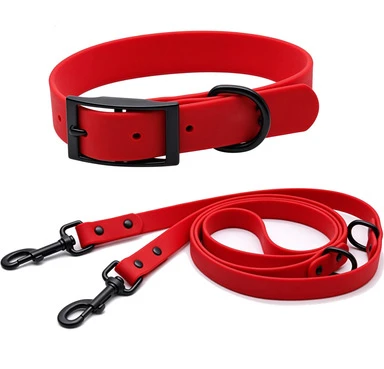
Before approving hardware for production, B2B buyers should confirm the following details with their supplier:
- Component type and material: Specify the required buckle, D-ring, hook or adjuster and its material where known.
- Dimensions and compatibility: Confirm the hardware dimensions match the webbing width, thickness and product construction.
- Color and finish: Clarify the required color, plating or surface finish and whether different components need to match.
- Functional requirements: Define relevant requirements for opening, closing, adjustment, attachment and environmental exposure.
- Testing requirements: Agree on applicable strength, durability or corrosion tests based on the product's intended use.
- Sample approval: Review the actual hardware and assembled product before authorizing bulk production.
- These details help buyers compare supplier quotations more accurately and reduce misunderstandings about the finished product.
Conclusion
Choosing between metal and plastic hardware for dog collars and leashes is not simply a question of which material is better. Buyers need to consider the function of each component, the product's intended use, webbing compatibility, environmental exposure and verified performance requirements.
A product may benefit from a combination of materials rather than using metal or plastic throughout. By confirming hardware specifications and evaluating the assembled product before bulk production, importers, wholesalers and pet brands can make more informed purchasing decisions.
Need customized dog collars or leashes? GH Material supplies custom pet products and PVC/TPU-coated webbing for B2B buyers. Share your product design, webbing specifications and hardware requirements through our contact page to discuss a suitable configuration.