

How to Evaluate Pet Product Component Substitutions
Nov 11, 2026
Leave a message
For pet product importers, replacing a component during production may seem like a minor manufacturing adjustment. A buckle, D-ring, adjuster, swivel hook, or webbing material may have a similar appearance to the original specification, but that does not necessarily mean the finished product will perform in the same way.
Component substitutions can happen for several reasons, including material shortages, supplier changes, production scheduling issues, or cost adjustments. Although some substitutions are technically acceptable, approving them without proper evaluation can create unexpected problems after bulk production.
For importers sourcing collars, leashes, and harnesses, the key is to determine whether a proposed replacement maintains the product's intended function, appearance, and commercial requirements.
Identify Why the Original Component Needs to Be Replaced
Before evaluating an alternative, importers should understand why the manufacturer proposes a substitution.
Common reasons include:
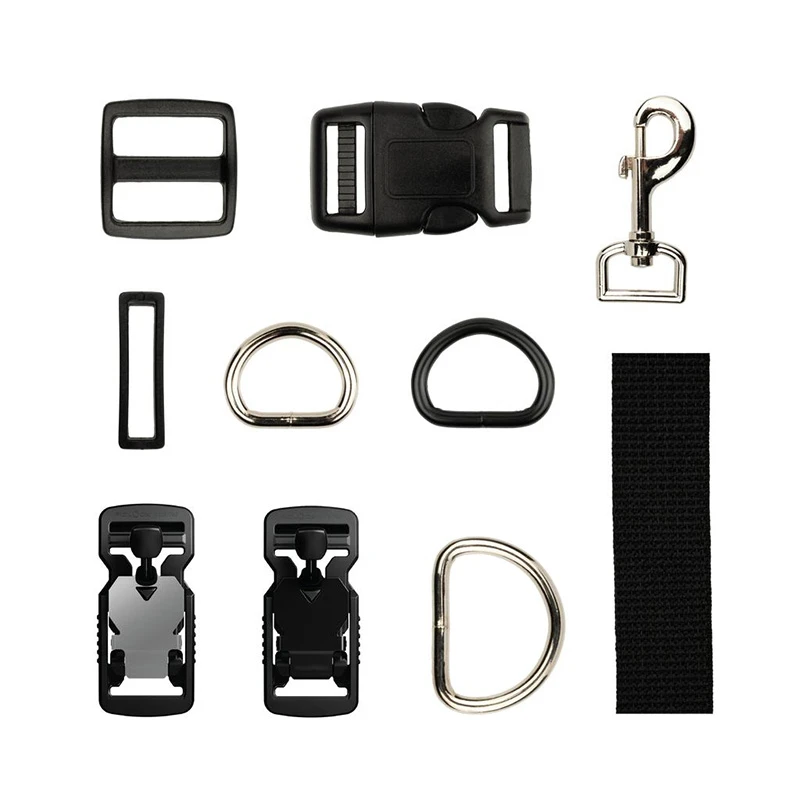
The original component is temporarily unavailable.
The component supplier has discontinued a specific model.
Material prices have changed.
Production capacity is insufficient.
The original component has manufacturing or quality issues.
The reason matters because different situations require different responses.
For example, replacing an unavailable buckle with an equivalent alternative may be reasonable. However, replacing a component simply to reduce production costs requires closer commercial evaluation.
Importers should request a clear explanation rather than accepting a general statement that the alternative is equivalent.
Compare Functional Performance, Not Just Appearance
One of the most common purchasing mistakes is evaluating replacement components mainly by their visual similarity.
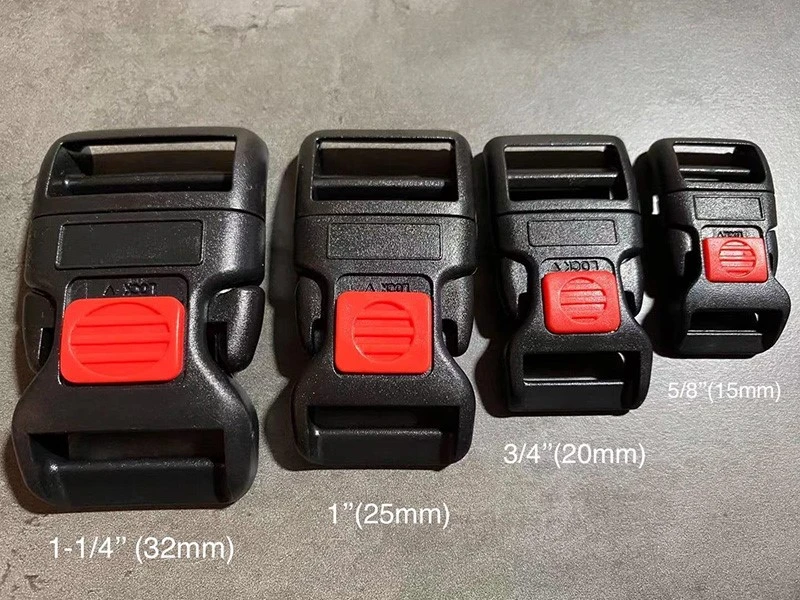
Two metal hooks may have almost identical shapes but different opening mechanisms, material thicknesses, or load-bearing characteristics.
Similarly, plastic buckles with similar dimensions may have different locking performance.
Before approving a replacement, buyers should compare:
Material composition
Dimensions and structural design
Functional compatibility
Connection and locking performance
Resistance to deformation
Expected durability under normal use
For dog leashes and harnesses, hardware components directly affect how different parts connect and function.
A visually similar replacement should not automatically be considered an acceptable substitute.
Evaluate How the Replacement Affects the Entire Product
A component does not work independently. Its performance depends partly on how it interacts with other materials and structures.
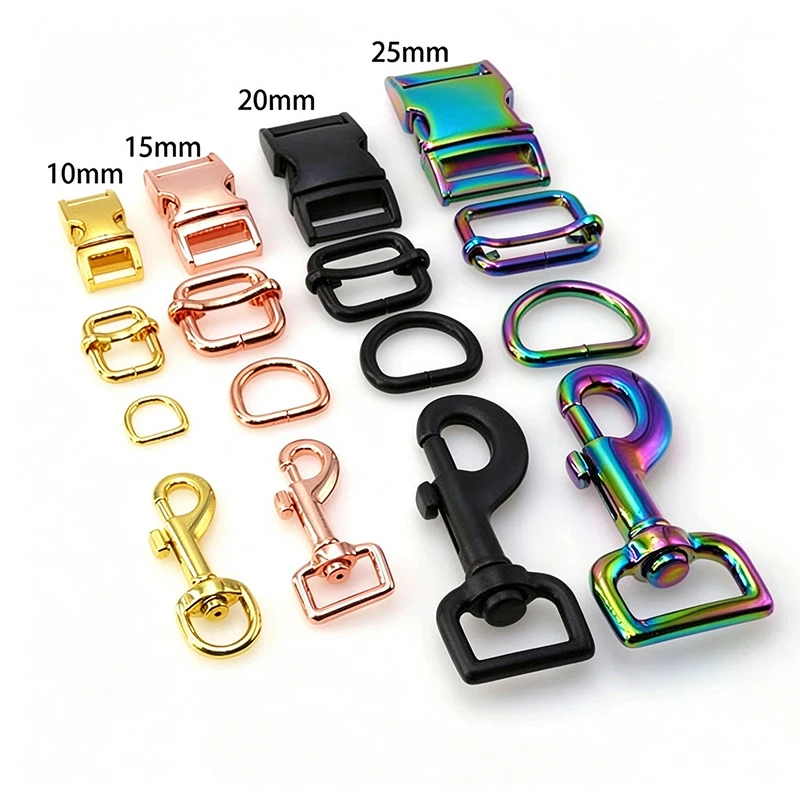
For example, a replacement buckle may fit the original webbing width but create a different adjustment range. A different D-ring thickness may change the appearance or attachment position of a collar.
Importers should therefore evaluate the finished product rather than approving components individually.
Important questions include:
Does the replacement fit the existing product structure?
Does it change the finished product's dimensions?
Does it affect adjustment or fastening?
Does it create additional pressure on connecting materials?
Does it change the product's appearance or user experience?
For customized pet products, these details are particularly important because small component changes can affect consistency across an entire product collection.
Request Samples Before Approving Bulk Production
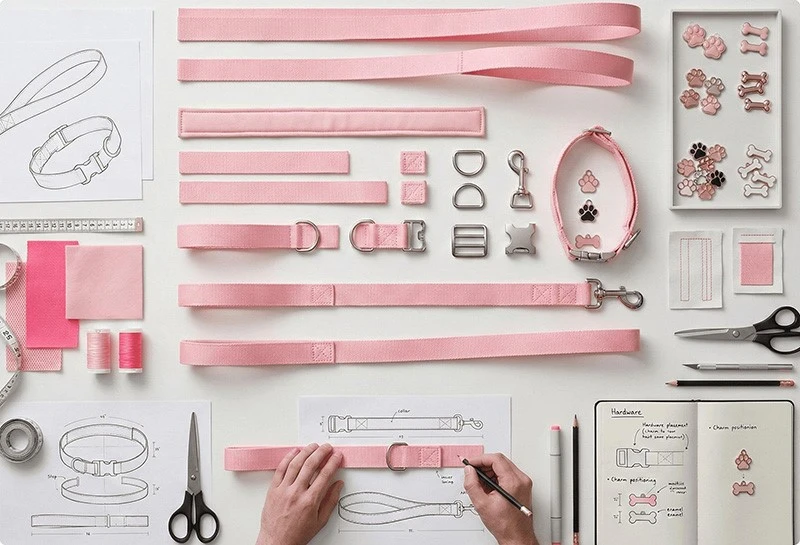
Photos and technical descriptions are useful for initial evaluation, but they cannot always demonstrate actual component performance.
Before approving a substitution, importers should request samples when the change could affect product function, appearance, or compatibility.
The evaluation should include:
Comparing the replacement with the originally approved component.
Checking dimensions and assembly compatibility.
Testing opening, closing, adjustment, or connection functions.
Inspecting the finished product's appearance.
Confirming that the replacement meets the agreed specifications.
For more significant structural changes, buyers may also require additional product-specific testing.
The purpose is not to repeat every quality inspection. It is to verify that the proposed change does not introduce a new product risk.
Consider the Commercial Impact Across Different SKUs
A component substitution may affect more than one product.
For example, an importer may use the same buckle across several collar sizes or product collections. If the original buckle is replaced, the change could affect multiple SKUs.
Before approving the replacement, buyers should identify:
Which products use the original component?
How many SKUs will be affected?
Will existing inventory still match new production?
Will the replacement change the product's selling price?
Will different versions create difficulties for wholesale customers?
This is particularly important for importers managing multiple colors, sizes, and product variations.
A substitution that works for one product may not be commercially suitable for the entire product range.
Establish Written Approval Before Production Changes
Verbal confirmation is often insufficient when several product specifications are involved.
Importers should maintain written records of approved component substitutions.
A useful approval record should include:
Original component specification
Proposed replacement specification
Reason for the substitution
Sample or reference photographs
Affected product models and SKUs
Confirmed price or delivery changes
Approval date and responsible contacts
Buyers should also clarify whether the approved replacement applies only to the current order or can be used for future production.
This helps prevent unapproved substitutions during repeat orders and makes it easier to investigate differences between shipments.
Define Which Changes Require Buyer Approval
Not every manufacturing adjustment needs the same level of approval.
Importers can establish a practical change-control approach with their manufacturers.
For example:
Changes requiring prior approval:
Different buckle or hook models
Changes in hardware materials
Changes affecting product dimensions
Changes to webbing specifications
Structural changes affecting product function
Changes requiring confirmation based on agreed specifications:
Supplier changes where the component specification remains unchanged
Manufacturing adjustments that do not affect approved product characteristics
The important principle is that manufacturers should not independently make changes that affect agreed product specifications.
Clear responsibilities help both parties avoid unnecessary delays while protecting product consistency.
Conclusion
Component substitutions are sometimes necessary in pet product manufacturing, but they should not be treated as simple purchasing adjustments.
For importers, the main concern is whether a replacement maintains the finished product's functional performance, appearance, compatibility, and commercial requirements.
By identifying the reason for a substitution, comparing technical specifications, evaluating finished-product compatibility, reviewing samples, and maintaining written approval records, buyers can reduce unexpected risks before bulk production.
For importers developing or sourcing customized pet collars, leashes, and harnesses, working with a manufacturer that communicates production changes clearly is an important part of maintaining consistent product quality.
Looking for a manufacturing partner for customized pet products? GH Material supports OEM and ODM development of pet collars, leashes, harnesses, and related accessories. Contact our team to discuss your product specifications and manufacturing requirements.
Frequently Asked Questions
Q: Should Importers Approve Component Substitutions Based On Photographs?
A: No. Photographs are useful for preliminary comparison, but samples and functional evaluation may be necessary when the substitution affects product performance or compatibility.
Q: Which Pet Product Components Require Particular Attention?
A: Buckles, D-rings, swivel hooks, adjusters, connecting hardware, and webbing materials deserve particular attention because they influence product assembly, fastening, adjustment, and overall consistency.
Q: Can Manufacturers Replace Components Without Buyer Approval?
A: Manufacturers should follow the agreed specifications and change-control requirements. Substitutions affecting approved product characteristics should receive buyer approval before implementation.
Q: Should An Approved Replacement Be Used For Future Orders Automatically?
A: Not necessarily. Importers should clarify whether approval applies to one production order or establishes a revised specification for future orders.