

How to Evaluate New Pet Product Designs for Commercial Success
Nov 11, 2026
Leave a message
How Can Importers Reduce Dependency on a Single Pet Product Manufacturer?
Working with one reliable manufacturer can simplify purchasing, communication, and production planning. However, relying entirely on a single pet product manufacturer can create business risks for importers.
If production capacity becomes limited, delivery schedules change, or a manufacturer cannot continue supplying certain products, importers may struggle to maintain inventory availability and meet customer commitments.
For pet product importers, reducing supplier dependency does not necessarily mean working with as many factories as possible. Instead, it means building a flexible sourcing structure that protects product availability while keeping purchasing and quality management under control.
Identify Which Products Create the Highest Supplier Dependency
The first step is understanding how much of the business depends on one manufacturer.
Importers should review their purchasing structure by product category rather than looking only at the total purchasing volume.
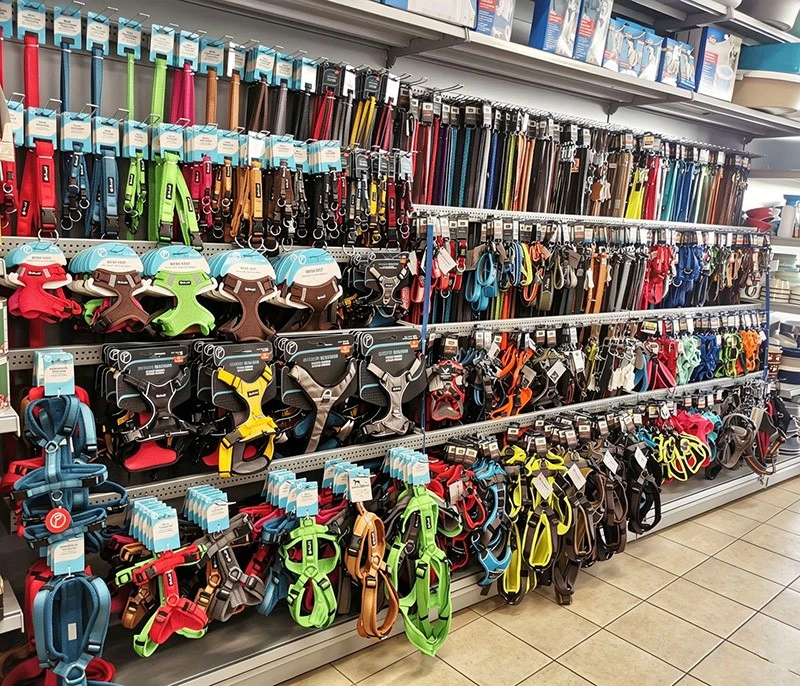
For example, an importer may purchase dog collars, leashes, harnesses, and pet accessories from one factory. If that factory supplies all major product categories, a production interruption could affect a large part of the importer's product portfolio.
Buyers should identify:
Which products rely entirely on one manufacturer
Which products have alternative qualified suppliers
Which items generate the highest sales or customer demand
Which products are difficult to replace quickly
Which product categories have similar manufacturing requirements
This analysis helps importers identify where supplier dependency creates the greatest commercial exposure.
Not every product needs multiple suppliers. Priority should be given to products that are commercially important and difficult to replace.
Develop Alternative Suppliers for Critical Product Categories

Having alternative suppliers can help importers maintain purchasing flexibility when their primary manufacturer faces production limitations.
However, finding another factory is not enough. The alternative manufacturer should be capable of producing products that meet the required specifications.
For example, two factories may both manufacture dog collars, but their stitching methods, hardware specifications, material quality, and production capabilities may differ.
Importers should also understand how to evaluate a manufacturer's production capabilities before establishing alternative sourcing arrangements:
Product category experience
Material and component availability
Manufacturing processes
Customization capabilities
Production capacity
Quality requirements
It is also useful to request samples and compare them against the approved product specifications.
The objective is not to duplicate every purchasing relationship. It is to establish reliable alternatives for products where supply interruptions would create significant business problems.
Separate Product Categories According to Manufacturing Strengths
A more flexible sourcing structure can be developed by assigning different product categories to manufacturers with relevant production capabilities.
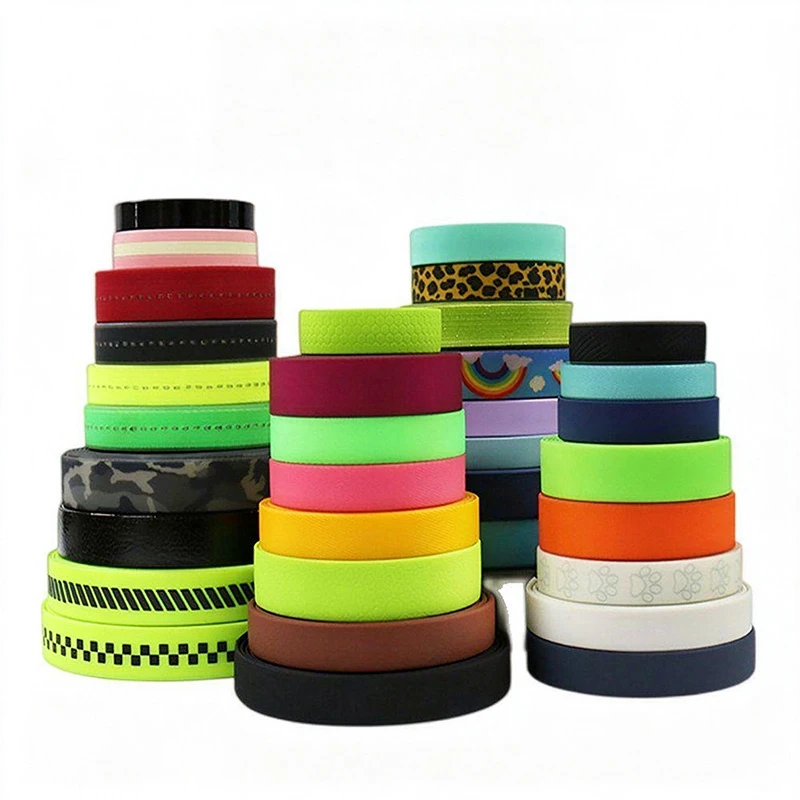
For example, one manufacturer may specialize in finished pet products, while another may focus on PVC or TPU coated webbing.
Importers should consider whether their sourcing structure reflects the actual manufacturing strengths of each supplier.
For finished pet products, buyers may evaluate experience in product assembly, stitching, hardware installation, and customization.
For PVC and TPU coated webbing, material formulation, extrusion processes, coating consistency, and dimensional control may be more important.
Separating sourcing responsibilities according to manufacturing strengths can reduce unnecessary dependence on one factory while helping buyers maintain more appropriate production arrangements.
However, importers should avoid dividing orders into too many small quantities if this increases purchasing costs or complicates quality management.
Standardize Product Specifications Across Different Manufacturers

One challenge of working with multiple manufacturers is maintaining product consistency.
Even when two factories receive the same product description, their actual production results may differ.
For example, a dog leash may have the same nominal width and length but use different webbing thicknesses, stitching patterns, buckle specifications, or hardware finishes.
These differences can affect the finished product's appearance, functionality, and customer experience.
Importers should establish clear product specifications covering:
Material type and dimensions
Color references and surface finishes
Hardware materials and specifications
Stitching and assembly requirements
Functional performance requirements
Packaging and labeling details
Approved reference samples can also help different manufacturers understand the expected product standard.
Before transferring an existing product to another factory, importers should conduct sample comparisons and confirm that the alternative production process can meet the required specifications.
Balance Purchasing Volume Between Primary and Alternative Suppliers
Maintaining alternative suppliers does not mean distributing every order equally.
A practical approach is to keep the main purchasing volume with the primary manufacturer while developing alternative production sources for selected products.
For example, an importer may continue purchasing its regular dog collar collection from its established manufacturer while placing a limited order for selected products with another qualified factory.
This provides an opportunity to evaluate the alternative supplier's actual production performance without immediately changing the entire sourcing structure.
When determining order allocation, importers should consider:
Purchasing volume and production efficiency
Unit cost differences
Minimum order requirements
Delivery schedules
Quality consistency
Communication and coordination costs
A balanced sourcing structure should provide supply flexibility without creating unnecessary administrative expenses.
Protect Product Information and Purchasing Continuity
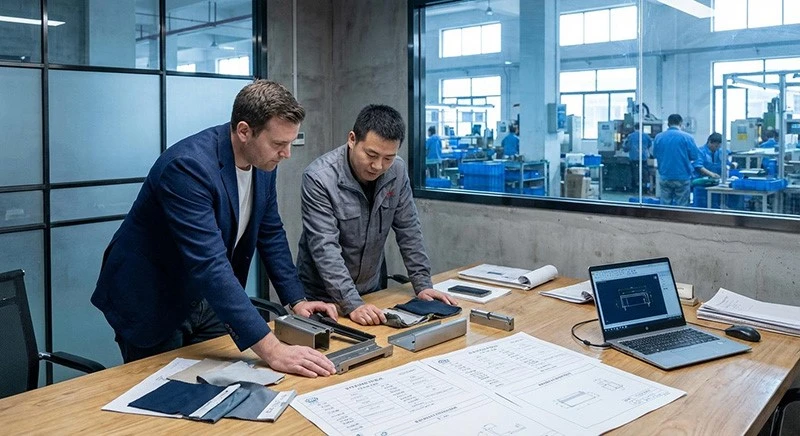
When working with multiple manufacturers, importers should maintain control over important product information.
If specifications, approved samples, component details, and production records are stored only by one supplier, transferring production can become difficult.
Importers should maintain their own records of:
Product drawings and specifications
Approved samples and revisions
Material and hardware requirements
Packaging and labeling files
Quality inspection standards
Previous order records
For customized products, buyers should also clarify ownership and permitted use of designs, tooling, and development materials through appropriate written agreements.
Maintaining these records makes it easier to evaluate alternative manufacturers and transfer production when necessary.
It also reduces the risk of losing important product information when supplier relationships change.
Review Supplier Dependency Regularly
Supplier dependency is not a one-time sourcing decision. It can change as an importer's product range, purchasing volume, and customer requirements develop.
For example, a manufacturer that initially supplies a small selection of products may gradually become responsible for most of an importer's product portfolio.
Buyers should periodically review:
Purchasing concentration by manufacturer
Availability of qualified alternative suppliers
Changes in production capacity
Delivery and quality performance
The cost of transferring products
Potential risks associated with supplier interruptions
This review helps importers determine whether their current sourcing structure still supports their business needs.
The goal is not to eliminate long-term supplier relationships. Reliable manufacturers remain valuable business partners. The objective is to avoid a situation where the entire purchasing operation depends on a single source without a practical alternative.
Conclusion
Reducing dependency on a single pet product manufacturer requires more than finding additional factories.
Importers should identify critical sourcing risks, develop qualified alternatives, organize product categories according to manufacturing strengths, and maintain consistent product specifications across suppliers.
They should also retain control over product information and review purchasing concentration as their business develops.
A well-planned sourcing structure allows importers to maintain reliable manufacturing partnerships while reducing the commercial risks associated with relying entirely on one supplier.
At GH Material, we manufacture pet products including dog collars, leashes, harnesses, and related accessories, with OEM and ODM customization options. We also supply PVC and TPU coated webbing for pet product applications. We welcome inquiries from importers, wholesalers, and brands looking for reliable manufacturing and sourcing partnerships.
Frequently Asked Questions
FAQ
Q: Why should pet product importers avoid relying on only one manufacturer?
A: Depending entirely on one manufacturer can expose importers to production interruptions, capacity limitations, and difficulties maintaining product availability.
Q: Should importers use multiple manufacturers for the same product?
A: Not necessarily. Multiple suppliers are most useful for commercially important products where alternative production sources can reduce significant supply risks.
Q: How can importers maintain product consistency across different manufacturers?
A: They should establish detailed specifications, approved reference samples, component requirements, and consistent inspection standards.
Q: Does working with multiple suppliers increase purchasing costs?
A: It can. Smaller order quantities, additional inspections, and coordination expenses may increase costs. Importers should balance supply flexibility against operational complexity.
Q: What information should importers retain when changing manufacturers?
A: Important records include product specifications, approved samples, material requirements, component details, packaging files, and quality standards.