

How to Develop a Coordinated Pet Accessory Collection
Nov 25, 2026
Leave a message
How to Develop a Coordinated Pet Accessory Collection for Your Brand
Developing a pet accessory collection involves more than selecting individual products. For importers, wholesalers, and private label brands, the challenge is to build a product range that meets different customer needs while keeping product development, manufacturing, and inventory manageable.
Dog collars, leashes, and harnesses are often developed as complementary products. When these items share suitable materials, hardware styles, and branding elements, they can form a more cohesive collection and create opportunities for cross-selling.
However, expanding a product range without a clear structure can increase SKU complexity, production costs, and inventory pressure. A more effective approach is to establish a core product range first, then expand according to market demand and actual sales performance.
Start with a Core Product Range

For brands entering or expanding the pet accessory market, dog collars, leashes, and harnesses provide a practical starting point.
Each product serves a different function within the collection:
Dog Collars: An essential everyday accessory that can be developed in different widths, sizes, materials, and hardware configurations.
Dog Leashes: Complement collars and provide opportunities for different lengths, handle designs, and functional features.
Dog Harnesses: Expand the walking accessory range with different structural designs, adjustment options, and size configurations.
Rather than introducing too many product categories at once, buyers can begin with products that share similar design elements and material specifications.
For example, a collection featuring matching collars and leashes can establish a recognizable product identity. Selected harness designs can then be introduced to complete the range.
Explore GH Material's dog collars, dog leashes, and dog harnesses to understand the available product categories.
Build the Collection Around Suitable Materials and Components

Material selection influences more than the appearance of individual pet accessories. It also affects manufacturing arrangements, product performance, and the complexity of managing multiple SKUs.
For brands developing coordinated collections, using compatible materials and hardware across different products can simplify product development.
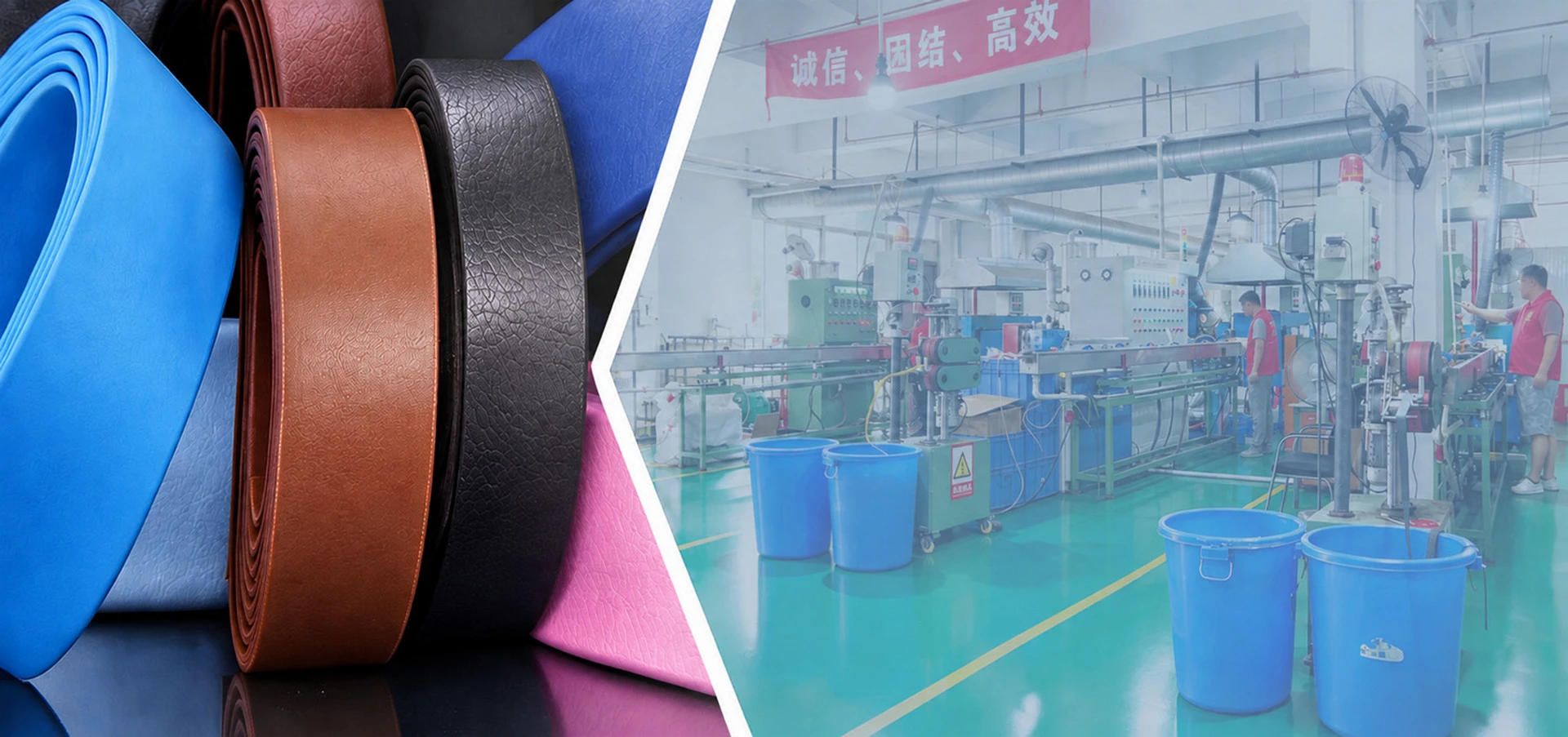
PVC and TPU coated webbing are two material options for pet collars and leashes.
PVC coated webbing offers a practical option for brands developing cost-conscious product ranges, while TPU coated webbing can serve collections requiring a different material positioning and product feel.
When selecting materials, buyers should consider:
Whether the material is suitable for the intended product application.
Whether the required widths and thicknesses are available across different product designs.
Whether compatible hardware can be used across the collection.
Whether the selected specifications can be maintained for future production orders.
GH Material manufactures PVC and TPU coated webbing in-house and uses these materials in its pet accessory production. This provides buyers with an opportunity to coordinate material specifications between selected products while working with one manufacturing supplier.
Learn more about our PVC and TPU coated webbing.
Develop Product Specifications According to Different Applications

A coordinated collection does not mean every product should use exactly the same construction.
Dog collars, leashes, and harnesses have different functional requirements. Their dimensions, hardware, stitching, and structural details should be developed according to their intended applications.
For example:
Collars require suitable width, adjustment range, buckle selection, and attachment hardware.
Leashes need appropriate lengths, connection hardware, and handle construction.
Harnesses require suitable structural components, adjustment points, and assembly arrangements.
For larger sizes or different product designs, hardware specifications and webbing requirements may also need to change.
Buyers should therefore establish product specifications individually while maintaining a consistent overall collection concept.
This approach helps avoid unnecessary design complexity without compromising the functional requirements of each product.
Control SKU Complexity During Initial Product Development

One challenge when launching a private label product range is the number of SKUs created by combining different product types, sizes, and colors.
For example, developing three products in four colors and four sizes could result in as many as 48 product variations before considering additional design options.
Not every variation needs to be included in the first production order.
A more controlled development strategy is to:
Prioritize the product designs most relevant to the target market.
Select a manageable range of sizes based on the intended applications.
Introduce core colors before adding more variations.
Avoid unnecessary hardware and structural differences between similar products.
Identify which specifications can be shared across multiple products.
This allows buyers to establish a recognizable product range without creating excessive inventory commitments.
It also gives brands more flexibility to adjust their assortment after evaluating initial market feedback.
Expand the Collection Based on Actual Sales Performance

A pet accessory collection should develop alongside the brand's business rather than being completed all at once.
A phased approach can help buyers manage product development and purchasing decisions.
Stage 1: Establish the Core Range
Start with selected collars and leashes, then introduce suitable harness designs. Focus on the products and specifications that best match the intended customer segment.
Stage 2: Develop Proven Products
After evaluating sales performance, consider introducing additional sizes, product variations, or upgraded material options.
For example, a successful PVC coated webbing collection may provide a foundation for developing selected TPU versions.
Stage 3: Extend the Product Range
Once the core collection is established, buyers can explore additional pet accessories, such as cat collars, pet waste bag holders, and other related products.
New products should support the existing brand positioning and provide a clear commercial reason for expanding the assortment.
This staged approach helps brands avoid committing too many resources to products that have not yet demonstrated market demand.
Plan Manufacturing and Purchasing Together

Product assortment decisions directly influence manufacturing arrangements and purchasing costs.
For buyers working with a manufacturer, it is important to evaluate the entire collection rather than requesting quotations for every product independently.
Several factors deserve attention:
Material utilization: Identify products that can share suitable webbing specifications and reduce unnecessary material variations.
Hardware selection: Evaluate whether compatible hardware can be used across different product designs.
Production quantities: Understand the MOQ requirements for each product, size, and color.
Future replenishment: Consider whether the manufacturer can maintain the required specifications when repeat orders are placed.
Product development: Confirm which designs require new components, samples, or additional assembly work.
For selected customized pet products, GH Material can support orders starting from 100 pieces per color and size, subject to product specifications and order requirements.
Discussing the complete collection with the manufacturer at an early stage can help identify practical production arrangements before buyers finalize their purchasing plans.
Why Choose a Manufacturer with Both Webbing and Pet Product Capabilities?

When developing a private label pet accessory collection, working with a supplier that understands both material production and finished product manufacturing can simplify communication.
GH Material combines PVC and TPU coated webbing production with pet accessory manufacturing and assembly.
Our product range includes dog collars, leashes, harnesses, and related pet accessories. Buyers can discuss product structures, material specifications, dimensions, colors, hardware, and branding requirements according to their project needs.
By coordinating suitable material and product specifications, brands can develop related products with a more consistent manufacturing approach.
For importers, wholesalers, and private label buyers, this also provides an opportunity to develop and expand a product range through an established manufacturing partner.
Conclusion
Developing a successful pet accessory collection requires a balance between product variety, functional requirements, manufacturing feasibility, and purchasing costs.
Starting with a focused range of collars, leashes, and harnesses provides a practical foundation. Buyers can then expand the collection according to sales performance while reusing suitable materials, components, and established product specifications.
For brands planning a new or expanding pet accessory range, working with a manufacturer that offers both coated webbing production and finished pet product capabilities can make product development and supply coordination more efficient.
Looking for a manufacturing partner for your private label pet accessory collection?
GH Material supports customized dog collars, leashes, and harnesses, backed by in-house PVC and TPU coated webbing production.
Contact GH Material to discuss your product requirements, collection plans, and OEM/ODM manufacturing needs.