

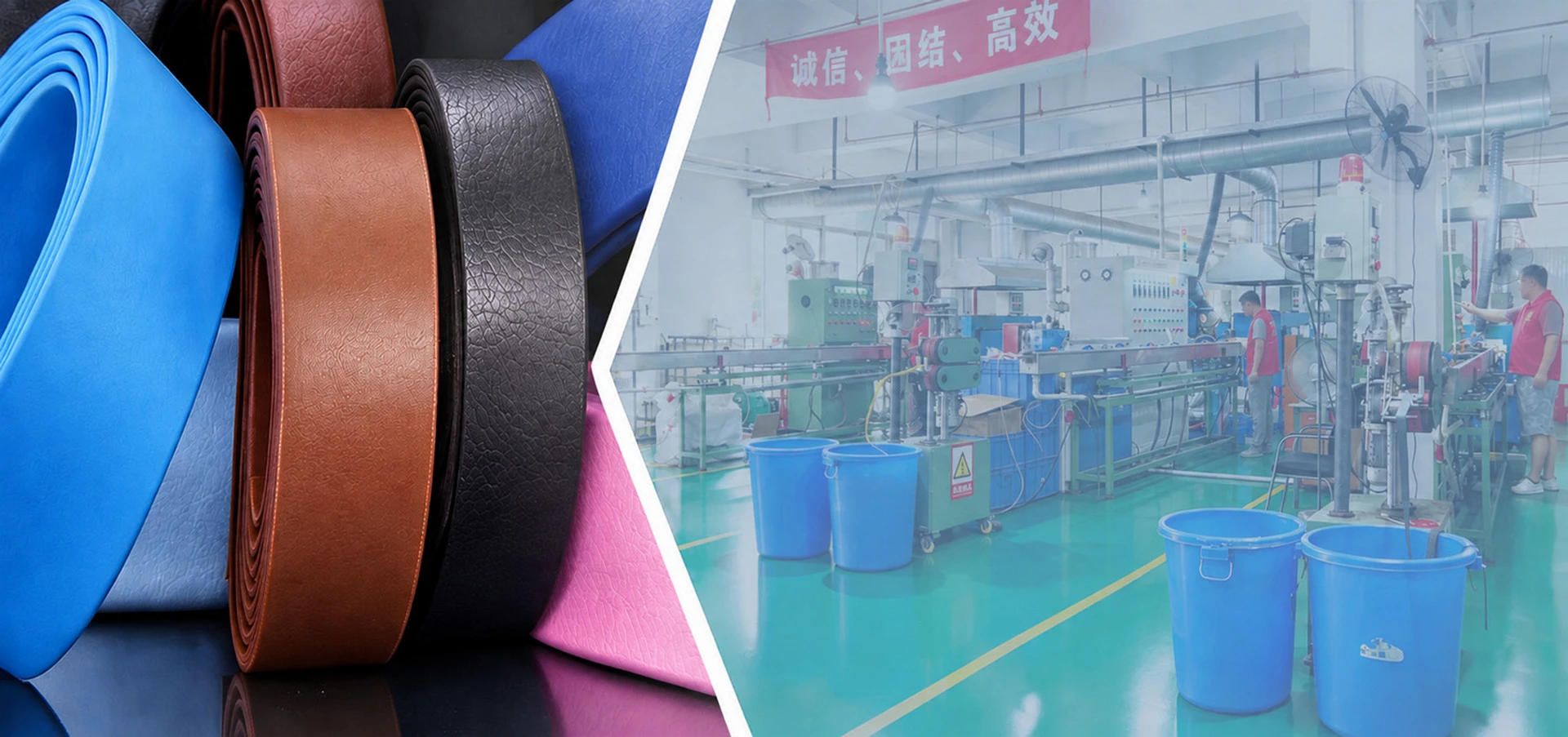
How Manufacturing Decisions Affect Pet Brand Profitability
Nov 06, 2026
Leave a message
For pet brands, profitability is not determined by selling prices alone. The decisions made during product development, material selection, manufacturing, and quality control can have a lasting impact on production costs, customer satisfaction, inventory management, and repeat orders.
A product that appears inexpensive to manufacture may eventually become costly if it requires frequent replacements, generates customer complaints, or creates inconsistent inventory quality.
For importers, wholesalers, private-label brands, and pet product distributors, understanding these manufacturing decisions is essential to building a profitable product business.
Material Selection Determines More Than the Initial Product Cost
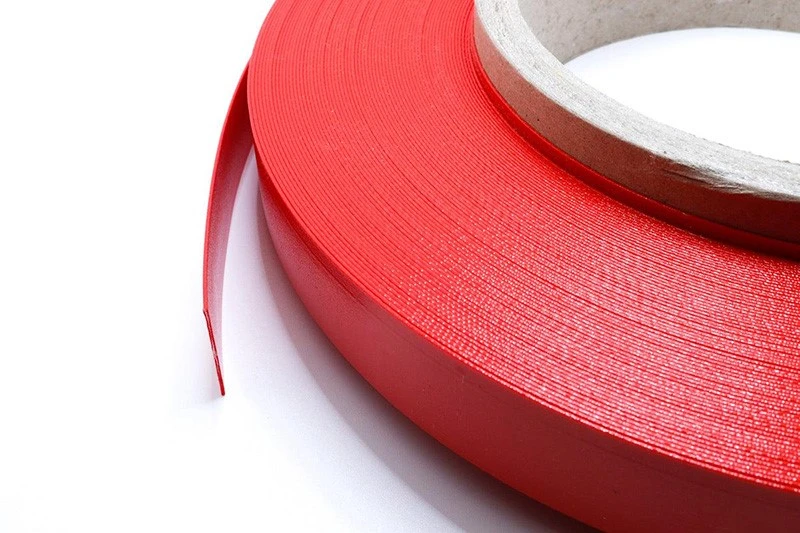
Choosing materials based only on their purchase price can create problems over the product's entire lifecycle.
For example, dog collars, leashes, and harnesses require materials that match their intended applications, expected durability, and target market positioning.
When developing pet products, brands should consider:
- Durability under regular use
- Resistance to water, dirt, and daily wear
- Flexibility and user comfort
- Color consistency between production batches
- Compatibility with buckles, D-rings, and other hardware
PVC-coated webbing may be suitable for cost-conscious product ranges, while TPU-coated webbing can support products positioned around different performance and material requirements.
The important decision is not simply choosing the most expensive material. It is selecting a material that meets the product's actual requirements without creating unnecessary manufacturing costs.
A suitable material specification helps brands control product quality and maintain consistent purchasing costs over time.
Product Design Decisions Influence Manufacturing Efficiency
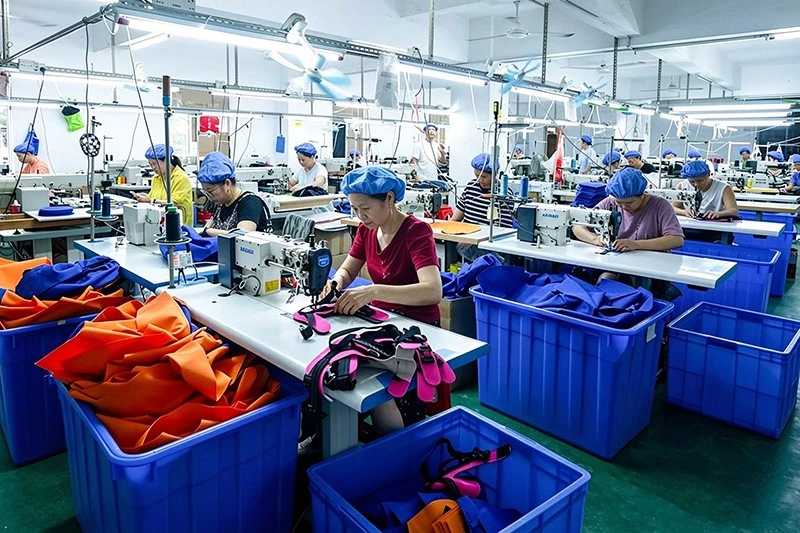
Product design affects how easily an item can be manufactured, assembled, inspected, and reproduced.
For example, a dog harness with multiple adjustment points, customized hardware, and complicated stitching requirements may involve more production steps than a simpler design.
Before finalizing a product, brands should evaluate:
- Whether the structure is practical for mass production
- Whether components are readily available
- Whether the design can accommodate different sizes
- Whether assembly processes can remain consistent
- Whether unnecessary components can be reduced
- A complicated design is not necessarily a better commercial product.
For brands developing multiple product variations, standardized components and practical structures can help simplify production planning, reduce assembly complexity, and improve cost control.
This is particularly important when expanding a product range across different sizes, colors, and styles.
Quality Control Protects Long-Term Brand Profitability

Quality problems can create costs beyond the original manufacturing order.
Inconsistent stitching, weak hardware connections, inaccurate dimensions, and material defects may result in customer complaints, product returns, replacements, and additional inspection expenses.
For B2B buyers, quality control should be considered throughout production rather than only during final inspection.
A practical manufacturing quality process can include:
- Incoming Quality Control (IQC): Checking incoming materials, buckles, D-rings, and other components.
- In-Process Quality Control (IPQC): Monitoring cutting, stitching, assembly, and other manufacturing operations.
- Final Quality Control (FQC): Inspecting finished products for appearance, dimensions, functionality, and workmanship.
- Outgoing Quality Control (OQC): Checking finished orders and packaging before shipment.
For pet products, appropriate inspection points may include buckle functionality, stitching strength, hardware attachment, size consistency, and logo placement.
A consistent inspection process helps reduce avoidable defects and gives brands greater confidence when placing repeat orders.
SKU Management Affects Inventory and Purchasing Costs

Expanding a pet product collection can create more sales opportunities, but too many product variations may also increase inventory pressure.
For example, offering several colors, sizes, materials, and hardware combinations can quickly multiply the number of individual SKUs.
If demand is spread across too many variations, brands may face:
- Lower purchasing quantities per SKU
- More complicated inventory management
- Higher storage requirements
- Slower inventory turnover
- More complicated replenishment planning
- A more practical approach is to establish a balanced product range.
Brands can identify core products with consistent demand, maintain selected variations for market differentiation, and introduce new designs based on actual customer feedback and purchasing performance.
From a manufacturing perspective, shared materials, standardized components, and repeatable production specifications can make replenishment easier to manage.
Supplier Coordination Influences Total Procurement Costs

The lowest quotation does not always represent the lowest total purchasing cost.
When working with manufacturers, buyers should also evaluate communication efficiency, production consistency, customization capabilities, and the ability to reproduce approved samples.
Poor coordination can result in repeated sample revisions, specification misunderstandings, delayed production, and additional quality inspections.
Before placing bulk orders, buyers should establish clear requirements covering:
- Product dimensions and tolerances
- Material specifications
- Color references and finishing requirements
- Hardware and component specifications
- Logo and packaging requirements
- Approved sample standards
- Inspection and acceptance criteria
Clear specifications reduce unnecessary communication and help both parties maintain consistent production expectations.
For brands planning long-term wholesale purchasing, a reliable manufacturing relationship can support more predictable product development and replenishment.
Production Planning Supports Sustainable Business Growth

Manufacturing decisions also influence how efficiently a brand can respond to changing market demand.
A supplier that understands product specifications, component requirements, and production processes can help buyers plan repeat orders more effectively.
Instead of treating every order as a completely new project, brands should consider developing repeatable production specifications for their core products.
This can help improve:
- Production preparation
- Material purchasing arrangements
- Product consistency
- Reorder coordination
- Long-term cost management
For growing pet brands, the objective should be to build a manufacturing system that supports both current purchasing needs and future product expansion.
What Should Pet Brands Evaluate Before Choosing a Manufacturing Strategy?
Before committing to a product design or manufacturing arrangement, buyers should look beyond the initial quotation.
Consider these questions:
Does the selected material meet the product's actual application requirements?
Can the product structure be manufactured consistently at bulk quantities?
Are quality inspection standards clearly defined?
Can different product variations share components or materials?
Can the manufacturer reproduce approved specifications for repeat orders?
Will the manufacturing arrangement support future product development?
These questions help brands evaluate manufacturing decisions from a long-term commercial perspective rather than focusing exclusively on the first production order.
Conclusion
Long-term profitability in the pet product industry depends on more than purchasing products at a low price. Material selection, product design, quality control, SKU planning, supplier coordination, and production management all influence the total cost of operating a pet brand.
For importers, wholesalers, and private-label businesses, making practical manufacturing decisions from the beginning can reduce unnecessary expenses, improve product consistency, and support more sustainable business growth.
At GH Material, we manufacture customized pet products and PVC/TPU-coated webbing for overseas B2B buyers. Our product range includes dog collars, leashes, harnesses, and related accessories, with customization options for product specifications, colors, and logos.
Frequently Asked Questions
Q: How do manufacturing decisions affect pet brand profitability?
A: They influence material costs, production efficiency, product quality, inventory management, and after-sales expenses, all of which affect long-term profitability.
Q: Should pet brands always choose the cheapest materials?
A: No. Materials should be selected according to product application, performance requirements, target customers, and expected product positioning.
Q: Why is manufacturing consistency important for pet product brands?
A: Consistent manufacturing helps maintain product specifications across batches, reduce quality-related problems, and support reliable repeat purchasing.
Q: How can brands reduce manufacturing costs when expanding their product range?
A: They can standardize components, share materials across product variations, simplify product structures, and prioritize SKUs based on actual market demand.