

How Do Pet Product Manufacturers Adapt Designs for Different Market Requirements?
Nov 09, 2026
Leave a message
How Do Pet Product Manufacturers Adapt Designs for Different Market Requirements?
Pet product manufacturers often work with buyers serving different countries, sales channels, and customer segments. Although the same product category may be suitable for multiple markets, its specifications, materials, functional features, and appearance may need to change.
For importers, wholesalers, and private label brands, adapting product designs is not simply a matter of changing colors or adding logos. Manufacturers need to understand the buyer's target market, evaluate technical requirements, and determine whether requested changes can be implemented consistently in mass production.
A well-managed product adaptation process helps buyers develop products that fit their intended markets while maintaining manufacturing efficiency and reliable quality.
Understand the Target Market Before Adjusting Product Designs
The first step is to identify the requirements of the intended market.
Different buyers may target different distribution channels, price segments, and product positioning. A product designed for a premium pet brand may require different materials, hardware, finishing details, and packaging compared with a product intended for a value-focused wholesale range.
Manufacturers should clarify several points before making design adjustments:
Target country or sales market
Intended customer segment
Retail, wholesale, or private label positioning
Expected product price range
Main product applications
Required product functions and specifications
Importantly, manufacturers should distinguish between mandatory market regulations and commercial preferences.
For example, applicable product safety requirements should be verified according to the destination market and product category. Color preferences, styling, and additional features are generally commercial decisions made between the buyer and manufacturer.
Understanding these differences helps prevent unnecessary design changes and reduces the risk of developing products that do not match the buyer's actual requirements.
Adjust Product Specifications for Different Applications
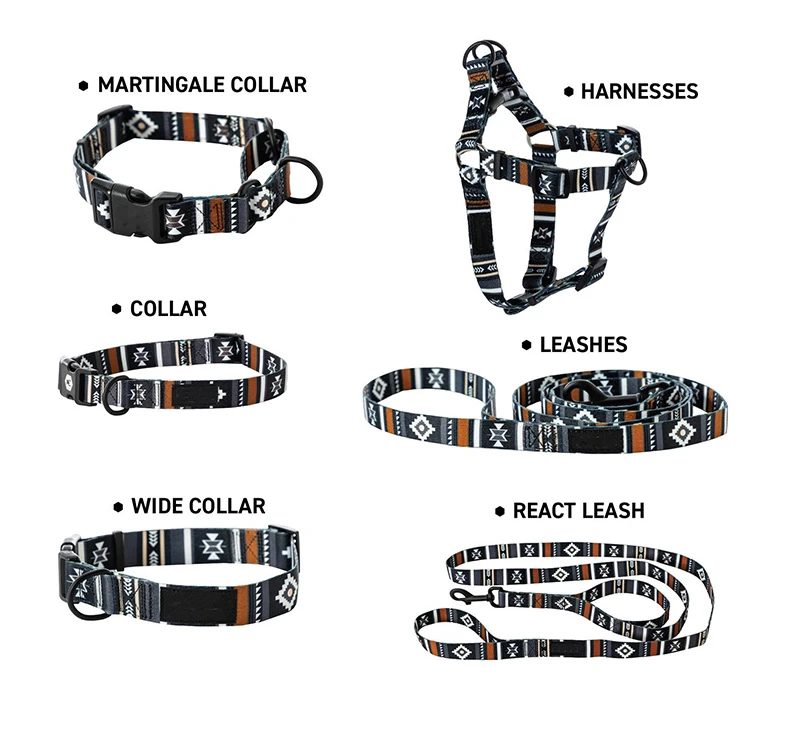
Product specifications should reflect how the buyer intends to position and distribute the product.
For pet collars, leashes, and harnesses, design adjustments may involve dimensions, adjustment ranges, strap construction, hardware combinations, and functional details.
For example, a buyer developing a product range for different dog sizes may require several size options and corresponding specification adjustments.
A manufacturer should evaluate:
Strap width and thickness
Adjustable length and fitting range
Buckle and hardware dimensions
Connection points and structural design
Product weight and overall construction
These details need to work together rather than being modified independently.
Changing strap dimensions without reviewing the corresponding hardware may affect assembly compatibility. Similarly, modifying a harness structure may require adjustments to several connected components.
For manufacturers, the objective is to translate the buyer's requested design into a complete and workable specification.
Select Materials According to Product Positioning
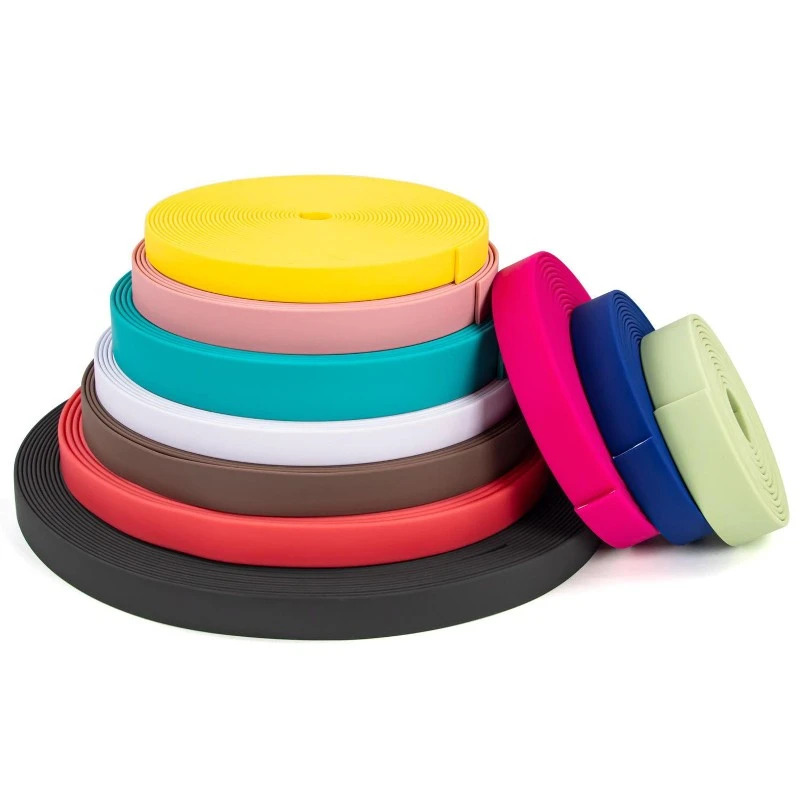
Material selection is another important part of market adaptation.
Different product ranges may require different combinations of flexibility, durability, appearance, maintenance requirements, and production cost.
For example, manufacturers producing coated webbing for pet collars and leashes may offer PVC and TPU options.
PVC-coated webbing can serve buyers looking for practical waterproof materials and cost-conscious product development. TPU-coated webbing may be considered when buyers prioritize particular flexibility, surface, or material performance requirements.
Other considerations include:
Polyester or nylon base webbing
Coating thickness and flexibility
Surface finish and color consistency
Hardware compatibility
Requirements for the finished product application
Material decisions should be evaluated alongside the complete product structure.
A material that performs well in one application may not be the most suitable choice for another. Buyers should therefore confirm material specifications through samples and relevant product evaluations before approving bulk production.
Adapt Functional Features Without Making Products Unnecessarily Complicated
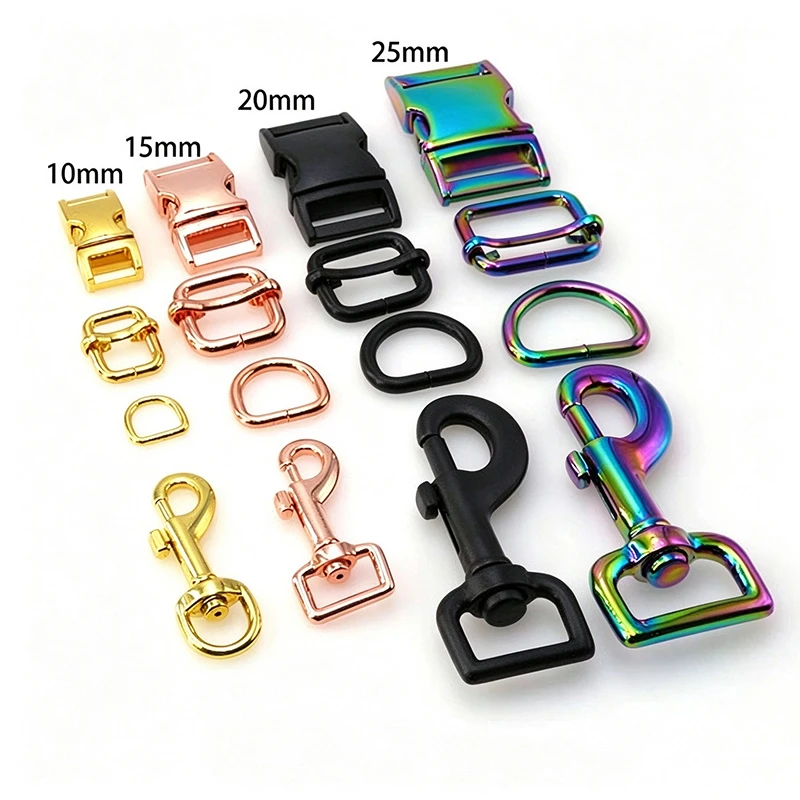
Market adaptation does not always mean adding more features.
Some buyers may request reflective details, additional adjustment points, different buckle configurations, or alternative attachment hardware. Others may prefer simpler designs that are easier to manufacture and manage across multiple product sizes.
Manufacturers should evaluate each requested feature based on its actual commercial purpose.
Before implementing a design change, consider:
Whether the feature addresses a clear market requirement
Whether it affects product dimensions or construction
Whether additional components are required
Whether it changes assembly procedures
Whether it introduces additional quality-control requirements
For example, adding reflective elements to a dog collar may require changes to the material combination and production process.
If a feature does not provide meaningful value to the intended product range, adding it may increase production complexity without improving the buyer's commercial offering.
5. Evaluate Manufacturing Feasibility Before Confirming Custom Designs
A design may look suitable on a drawing but still present manufacturing challenges.
This is particularly important when buyers request customized structures, unusual dimensions, special material combinations, or multiple hardware configurations.
Manufacturers should assess whether the proposed design can be produced consistently using available materials, equipment, and assembly processes.
The evaluation should cover:
Material availability and processing requirements
Compatibility between different components
Production methods and assembly procedures
Quality inspection requirements
Expected production efficiency
For example, changing the width of coated webbing may also affect the selection of buckles, D-rings, and adjustment hardware.
Evaluating these details before production helps reduce repeated sample revisions and avoids unnecessary changes after bulk orders have started.
6. Validate Adapted Designs Before Mass Production
Once the design and specifications are agreed upon, sample validation becomes an important step.
Buyers should review the physical sample against the confirmed requirements rather than relying only on product drawings or photographs.
Depending on the product, sample evaluation may include:
Dimensions and adjustment ranges
Material appearance and surface finish
Hardware compatibility
Stitching and assembly quality
Functional performance
Applicable product-specific testing
After approval, manufacturers should retain the confirmed specifications and sample references for production.
This provides a consistent basis for bulk manufacturing and helps ensure that design changes are properly communicated to the production and quality-control teams.
Any subsequent modifications should be reviewed and approved before implementation.
7. Maintain Product Consistency Across Different Market Versions
When manufacturers develop several versions of the same product for different buyers or markets, specification management becomes increasingly important.
Products may share a similar appearance while having different materials, dimensions, hardware combinations, or functional details.
Without clear documentation, these variations can create confusion during production.
Manufacturers should maintain separate product specifications where necessary, including:
Product drawings and measurements
Material and component details
Color references
Approved samples
Assembly requirements
Quality inspection criteria
This approach helps manufacturers manage customized product ranges without confusing one buyer's specifications with another's.
For importers and private label brands, consistent specification management also makes future product development and repeat orders easier to coordinate.
Conclusion: Successful Market Adaptation Starts With Clear Product Specifications
Adapting pet product designs for different markets requires more than changing product appearance. It involves understanding buyer requirements, selecting appropriate materials, adjusting product structures, evaluating manufacturing feasibility, and validating the final design.
For importers and pet brands, working with a manufacturer that can coordinate these steps helps turn market requirements into practical products.
At GH Material, we manufacture pet products including collars, leashes, and harnesses, alongside PVC and TPU coated webbing. We support customized product development involving specifications, materials, colors, and selected structural details.
Contact GH Material to discuss your pet product development requirements and explore suitable OEM and ODM manufacturing solutions.
Frequently Asked Questions
Why do pet product designs need to be adapted for different markets?
Different markets and sales channels may have different product positioning, functional expectations, specifications, and applicable regulatory requirements. Design adaptation helps buyers develop products that match their intended market.
Which pet product specifications can manufacturers customize?
Depending on the product and manufacturing feasibility, customization may include dimensions, materials, colors, hardware combinations, logos, and selected structural features.
Should buyers request samples before confirming customized pet products?
Yes. Samples allow buyers to evaluate materials, dimensions, construction, and functional details before approving bulk production.
How can manufacturers manage multiple versions of the same pet product?
Manufacturers should maintain separate specifications, component records, approved samples, and quality inspection requirements for each product version.
Can manufacturers help buyers develop private label pet products?
Yes. OEM and ODM manufacturers can support selected product customization requirements, subject to product structure, available materials, manufacturing capabilities, and order conditions.