

How Coated Webbing Is Used in Dog Collars and Leashes
Oct 30, 2026
Leave a message
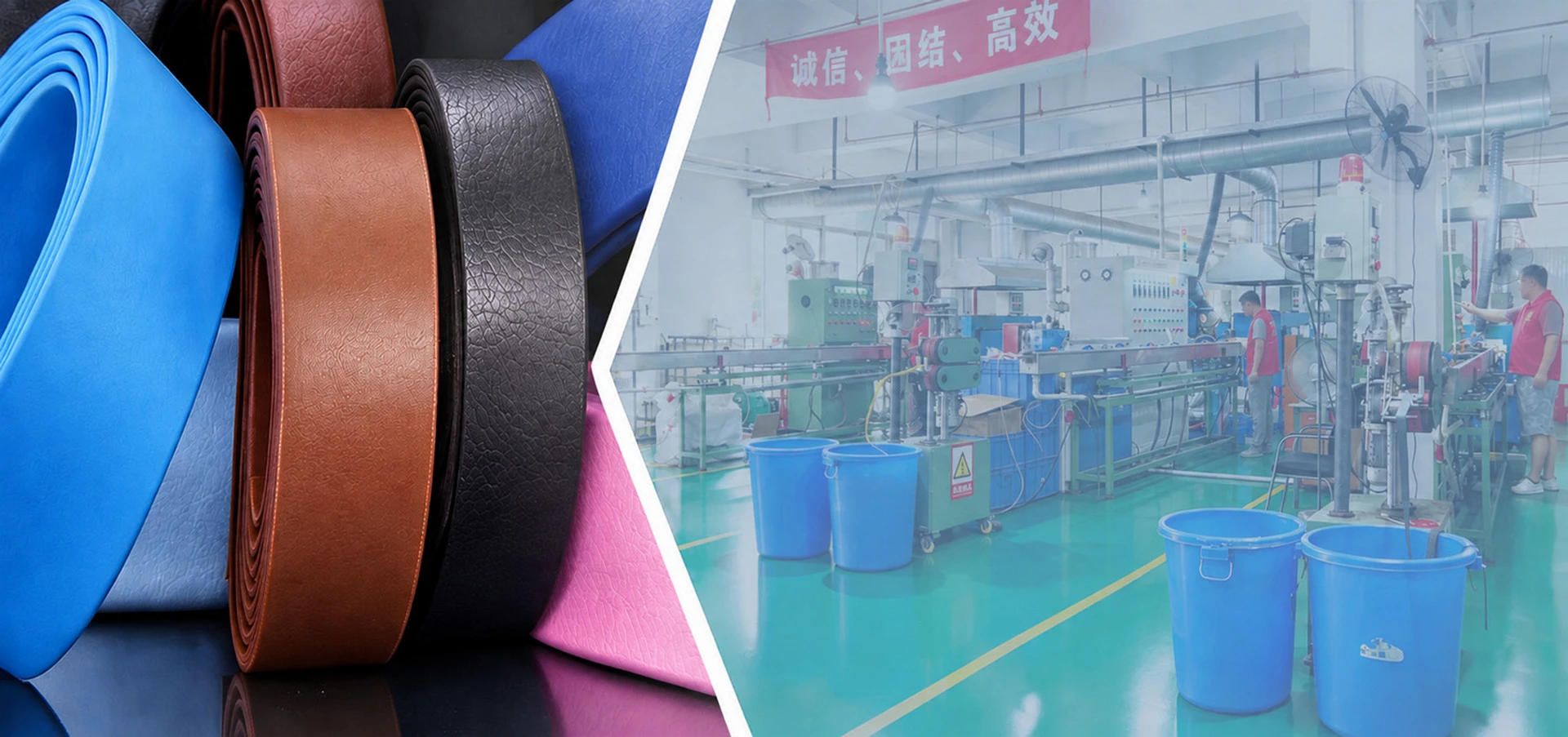
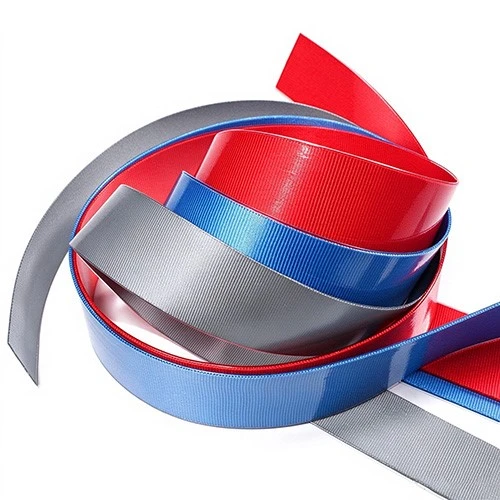
Coated webbing is widely used in dog collars and leashes because it combines the structural support of textile webbing with the surface properties of PVC or TPU. For pet product manufacturers, importers, and wholesalers, this material provides an alternative to traditional nylon and polyester webbing.
However, coated webbing is not simply a decorative outer layer. Its construction, thickness, flexibility, and connection with hardware all affect the performance of the finished product.
Understanding how coated webbing is incorporated into dog collars and leashes helps buyers evaluate product construction and communicate more accurately with manufacturers.
The Basic Structure of Coated Webbing
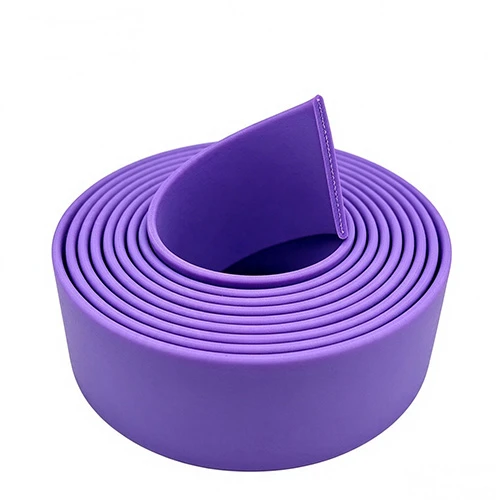
Coated webbing generally consists of a textile base and an outer polymer coating.
The inner textile structure is commonly made from polyester or nylon. It provides the tensile support needed for collars and leashes. PVC or TPU is then applied through an extrusion coating process to form a protective outer surface.
This construction combines two functions:
- The textile base provides structural strength.
- The polymer coating creates a waterproof and easy-to-clean surface.
Unlike products that use a separately laminated film, extrusion-coated webbing integrates the coating with the textile base during production.
For dog collars and leashes, this construction is important because the material must withstand repeated bending, pulling, and daily contact with moisture and dirt.
How Coated Webbing Is Used in Dog Collars
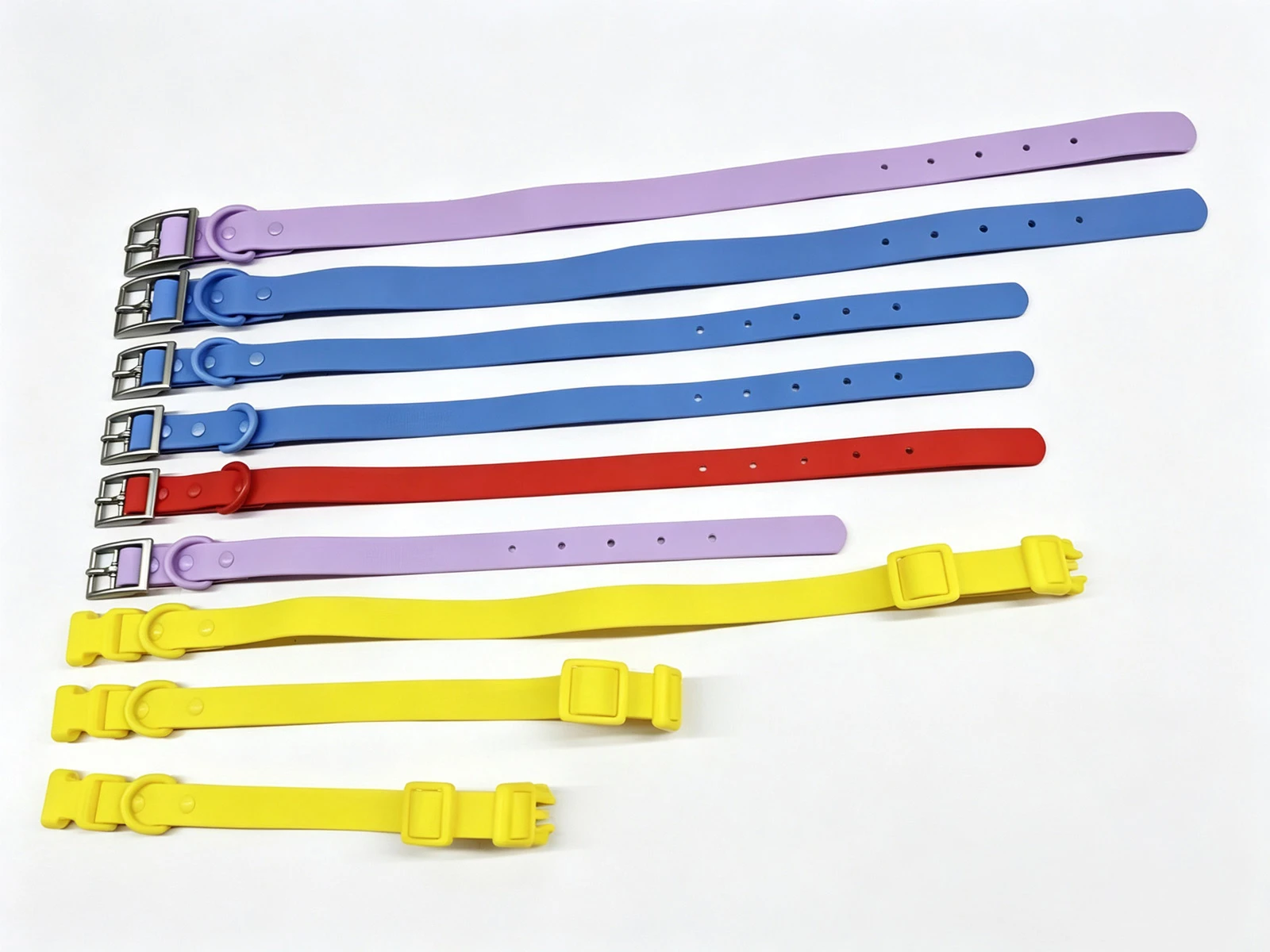
Coated webbing serves as the main strap material in dog collars. It is cut to the required length and width, then assembled with buckles, D-rings, and adjustment hardware.
Key factors include:
Width and thickness: Affect the collar's size, flexibility, and overall structure.
Hardware attachment: Proper stitching and fixation help secure buckles and D-rings.
Surface appearance: PVC and TPU coated webbing are available in different colors and finishes to match brand designs.
For B2B buyers, webbing specifications and hardware compatibility should be confirmed together before production.
How Coated Webbing Is Used in Dog Leashes
Dog leashes generally require longer webbing sections than collars. They also experience repeated pulling, bending, and handling during daily use.
Coated webbing is used as the main strap connecting the dog's collar or harness to the handler.
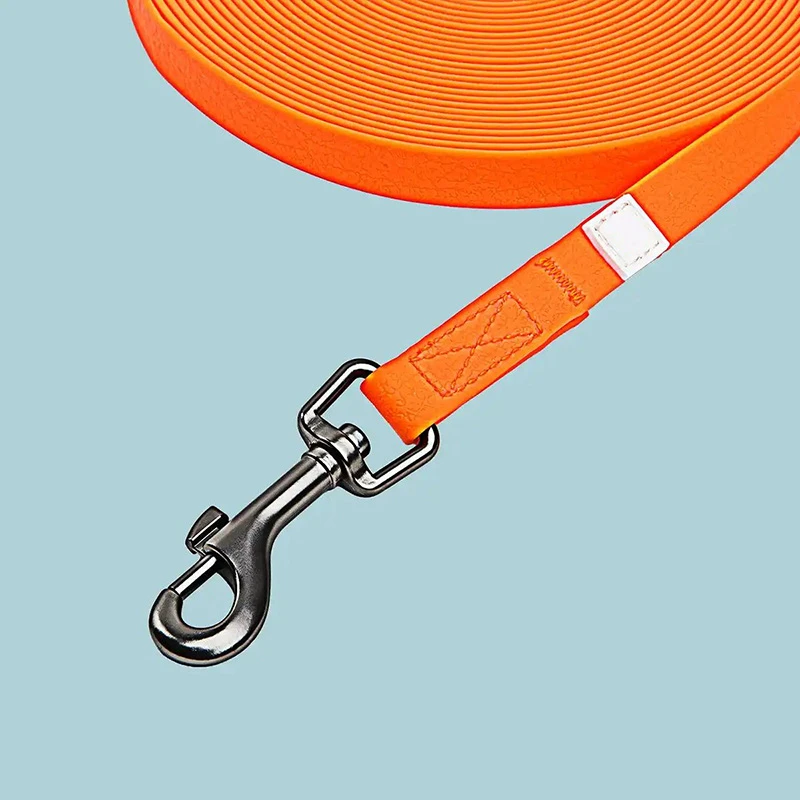
A typical coated webbing leash consists of:
- A coated webbing strap.
- A swivel snap hook at the dog-end connection.
- A handle loop at the opposite end.
Stitching or other suitable reinforcement at connection points.
The webbing width, thickness, and flexibility influence how the leash feels in the hand and how it performs during repeated use.
For example, a leash designed for everyday walking may prioritize comfortable handling and flexibility. A heavier-duty design may require different webbing specifications and hardware.
The connection between the webbing and swivel hook also deserves attention. Buyers should evaluate the finished assembly rather than relying only on the tensile strength of the raw webbing.
Why Manufacturers Use PVC and TPU Coated Webbing
PVC and TPU are two common coating materials used in coated webbing for pet products.
Both can provide a waterproof outer surface, but their characteristics and cost structures differ.
PVC coated webbing is often selected for buyers looking for practical performance and cost control.
TPU coated webbing is an alternative for brands seeking different flexibility, material characteristics, and product positioning.
The choice depends on the intended application, target market, product specifications, and purchasing budget.
Rather than choosing a coating material based on price alone, buyers should request samples and evaluate the finished material under their actual product requirements.
What B2B Buyers Should Check Before Production
When sourcing coated webbing for dog collars and leashes, buyers should confirm several specifications before placing bulk orders.
| Specification | What to confirm |
|---|---|
| Base material | Polyester or nylon |
| Coating material | PVC or TPU |
| Width | Required strap width |
| Thickness | Finished webbing thickness |
| Color | Standard or custom color |
| Surface finish | Smooth, matte, or other requested finish |
| Flexibility | Suitable for the intended product |
| Hardware | Buckles, D-rings, and swivel hooks |
| Construction | Stitching and connection methods |
It is also important to evaluate the material and finished product separately.
A coated webbing sample can demonstrate its surface appearance and flexibility, but it cannot fully represent the performance of a completed collar or leash.
For this reason, buyers should request finished samples when possible and check the hardware connections, stitching, adjustment function, and overall construction.
Working with a Coated Webbing Manufacturer
For brands and wholesalers developing private-label dog collars and leashes, working with a manufacturer familiar with coated webbing can simplify material selection and product development.
Buyers should communicate their intended application, target specifications, color requirements, hardware preferences, and estimated order quantities.
A manufacturer can then help evaluate whether the proposed webbing specifications are suitable for the product design.
At GH Material, PVC and TPU coated webbing is produced for applications including pet collars and leashes. Customization options include webbing width, thickness, color, and other material specifications.
By confirming material requirements before finished-product assembly, buyers can reduce specification misunderstandings and improve production consistency.
Frequently Asked Questions
Q: Is coated webbing suitable for both dog collars and leashes?
A: Yes. PVC and TPU coated webbing can be used in both products. The appropriate width, thickness, flexibility, and hardware configuration depend on the intended design.
Q: Is PVC coated webbing waterproof?
A: PVC coated webbing has a waterproof outer coating, making it suitable for pet products exposed to water and outdoor conditions.
Q: Can coated webbing be customized for private-label pet products?
A: Yes. Buyers can discuss custom colors, widths, thicknesses, and other specifications with the manufacturer.
Q: Does coated webbing replace the need for hardware reinforcement?
A: No. The webbing provides the main strap material, but buckles, D-rings, swivel hooks, stitching, and other connection details remain important parts of the finished product.
Conclusion
Coated webbing provides a practical material option for manufacturing dog collars and leashes. Its combination of textile support and a PVC or TPU outer coating makes it suitable for different pet product designs.
For B2B buyers, successful sourcing depends on more than selecting a coating material. Webbing specifications, hardware compatibility, assembly methods, and finished-product inspection should all be considered before bulk production.
If you are developing private-label dog collars or leashes, discuss your material specifications and product requirements with your manufacturing partner before confirming production.