

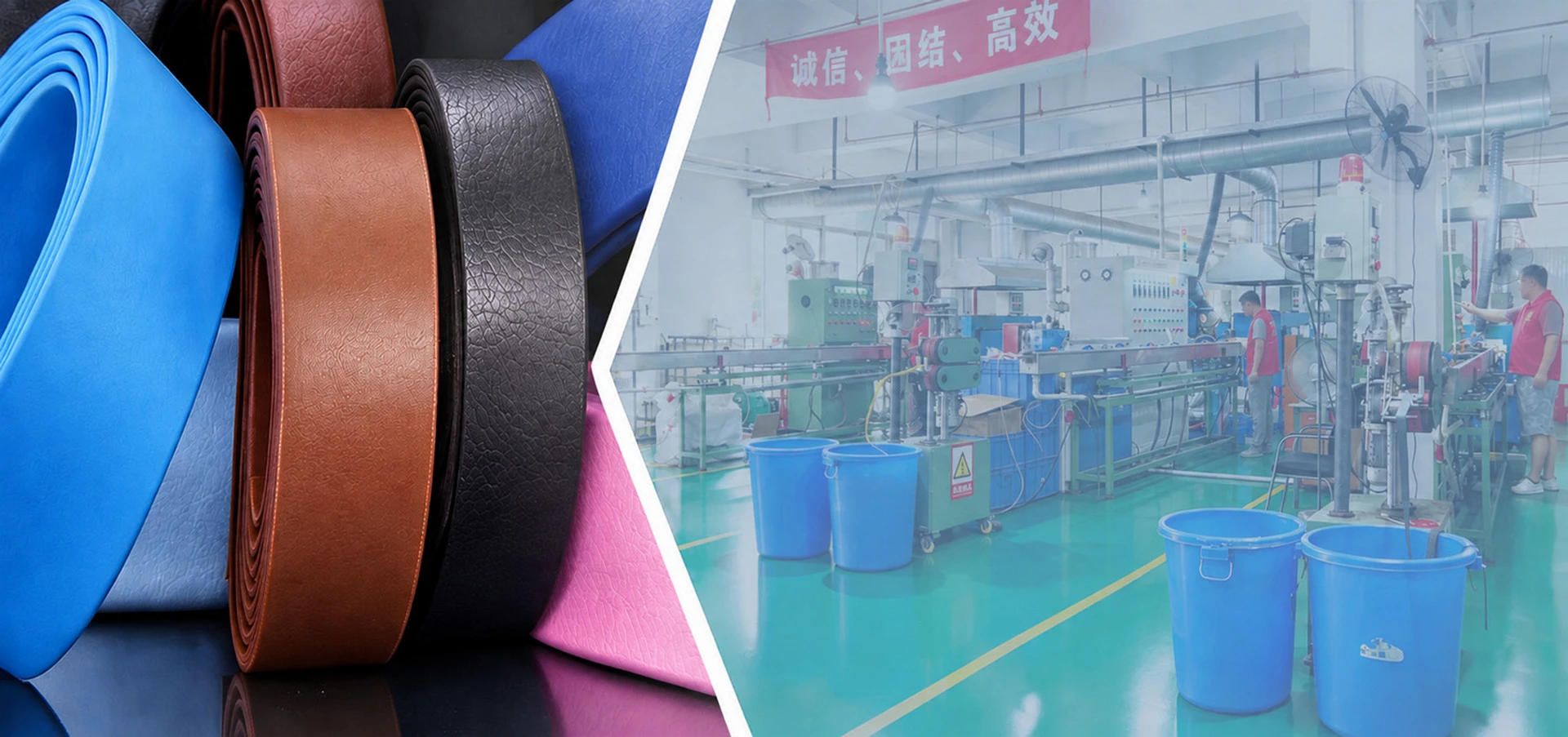
Can Pet Accessory Brands Expand Into The Equestrian Market With Coated Webbing
Nov 20, 2026
Leave a message
Can Pet Accessory Brands Expand into the Equestrian Market with Coated Webbing?
Introduction
Pet accessory brands that manufacture dog collars, leashes and harnesses may already have experience sourcing durable straps, hardware and customized webbing. However, this experience could also create an opportunity beyond the traditional pet products market.
The equestrian market is one area worth evaluating.
Products such as horse halters, lead ropes, reins and other horse tack use strap-based constructions. Some of these applications can use synthetic coated webbing instead of conventional textile webbing or leather. For manufacturers and importers, this creates an opportunity to explore a related product category without necessarily building an entirely new sourcing system.
However, entering the equestrian market is not simply a matter of changing the product name or increasing the strap size. Buyers need to understand which products are suitable for coated webbing, what additional requirements apply, and whether the new category fits their existing customer base.
This article examines how pet accessory businesses can evaluate this opportunity and develop a practical entry strategy.
1. Why Should Pet Accessory Buyers Consider the Equestrian Market?
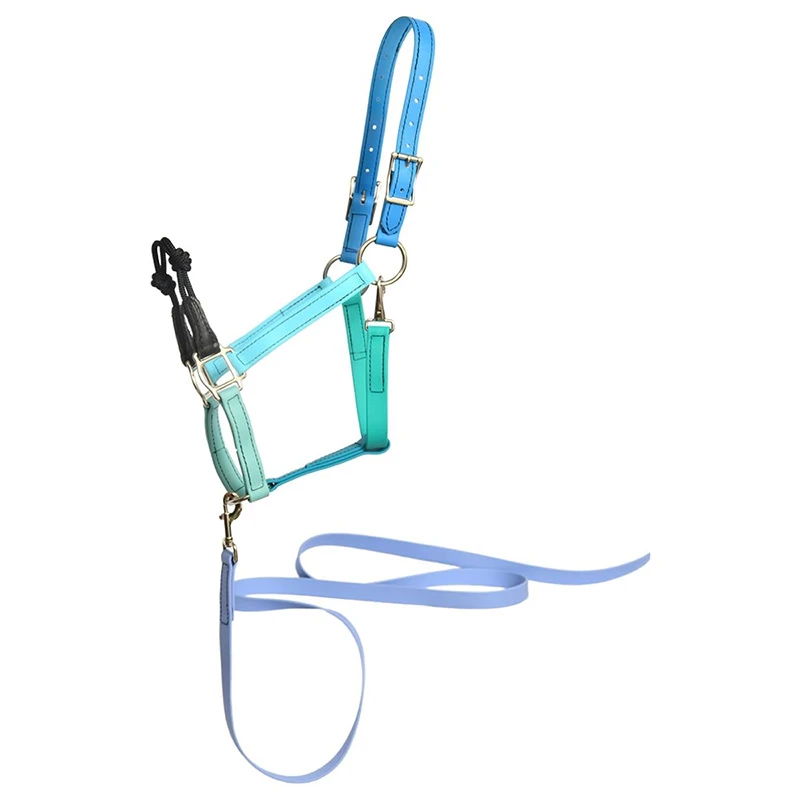
Pet accessories and equestrian products serve different customer groups, but they share some manufacturing elements.
Both categories include products made with straps, buckles, rings, hooks and adjustable components. They may also require customized colors, widths, surface finishes and branding.
For buyers already sourcing dog collars and leashes, this overlap can make equestrian accessories a possible adjacent category.
There is also a commercial reason to investigate the opportunity. The 2026 Canter Club industry report identified riding equipment and tack among the growth categories mentioned by surveyed equestrian businesses. This is a directional industry signal rather than proof that every equestrian product category is growing.
Key growth areas
For pet product importers, the potential opportunity is not necessarily to replace their existing product range. It is to assess whether selected equestrian accessories could help them:
Reach specialist retailers and equestrian distributors.
Offer additional products to existing customers who also serve horse owners.
Develop a new category using some familiar sourcing and manufacturing processes.
Test demand in a specialist market before making a larger investment.
The key is to identify products that match both the buyer's existing capabilities and the needs of equestrian customers.
2. Which Equestrian Products Are Worth Evaluating First?
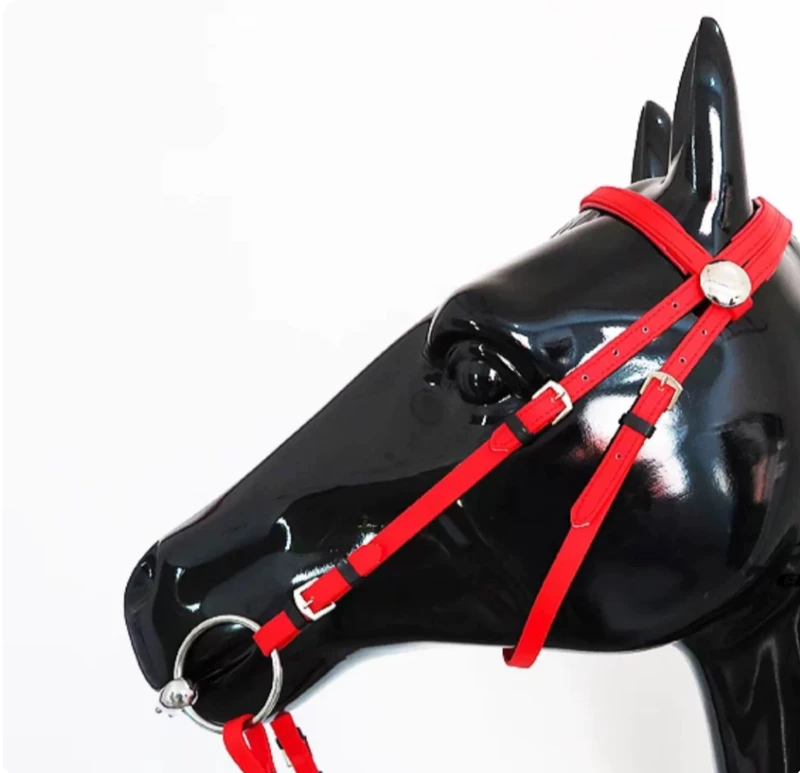
Not every horse tack product is suitable for the same material or manufacturing process. Buyers should start with products that have a relatively clear relationship to strap-based construction.
Horse halters
Horse halters are one possible starting point because they contain multiple strap sections connected through hardware.
Buyers can evaluate the required webbing width, thickness, flexibility, surface grip and hardware arrangement. Product development should also consider fit adjustment, pressure distribution and the way the finished halter is assembled.
A design that works for a dog collar should not automatically be treated as suitable for a horse halter. The dimensions, load conditions and intended use are different.
Horse lead ropes
Lead ropes offer another potential product direction, particularly for brands interested in stable and everyday horse-handling accessories.
However, buyers should distinguish between a coated webbing strap and a rope construction. They are not interchangeable. The connection method, handling characteristics and intended use need to be established before selecting a material.
Horse reins
Reins may offer opportunities for customized appearance and surface finishes, but they require careful evaluation of grip, flexibility, strength and performance in wet conditions.
Because reins are directly involved in controlling a horse, buyers should not select materials based on appearance alone. The complete product construction must be evaluated for its intended use.
GH's existing coated webbing product information identifies equestrian applications such as halters, reins and horse leads.
Guanghai Electronic+1
3. What Should Buyers Change When Developing Products for Horses?
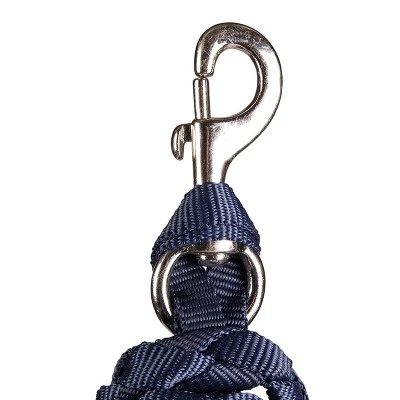
The biggest mistake when entering a related product category is assuming that an existing design can simply be transferred to another application.
A dog leash and a horse lead may both use straps and hardware, but their dimensions, operating conditions and performance requirements can differ considerably.
Before developing an equestrian product, buyers should review four areas.
Product dimensions and construction
Horse accessories may require different widths, thicknesses, strap arrangements and adjustment ranges. Buyers should define the intended horse size, product type and usage scenario before confirming specifications.
Hardware selection
Buckles, rings, snaps and other metal components must be appropriate for the intended product and load conditions. Their compatibility with the webbing and assembly method should be evaluated together.
Surface performance
Grip, flexibility, cleaning requirements and resistance to outdoor exposure can influence the suitability of a coated material. A smooth finish may be easy to clean, while certain applications may require a different surface texture.
Intended-use testing
Products used for horse handling or riding can involve significant forces and safety considerations. Buyers should establish application-specific performance requirements and conduct appropriate testing on the complete finished product before commercial release.
This is particularly important for reins and other control-related equipment. Material suitability alone does not establish that a finished product is safe for its intended use.
4. How Can Coated Webbing Create a Product Development Opportunity?
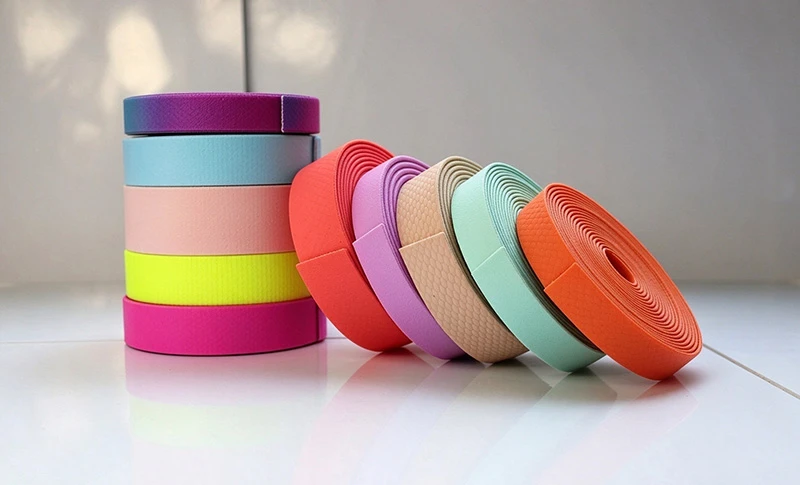
One potential advantage of coated webbing is that buyers can explore different product appearances and functional characteristics without relying exclusively on traditional leather or uncoated textile straps.
For example, buyers may explore:
Color-based product ranges: Develop coordinated colors across selected halters and lead products.
Easy-care product concepts: Evaluate coated surfaces for products that need regular cleaning after outdoor use.
Customized branding: Consider printed logos or other branding treatments that suit the product's construction.
Different surface finishes: Evaluate glossy, matte or textured finishes according to grip and appearance requirements.
These are development possibilities, not guaranteed market advantages. Buyers still need to confirm customer demand, material suitability and finished-product performance.
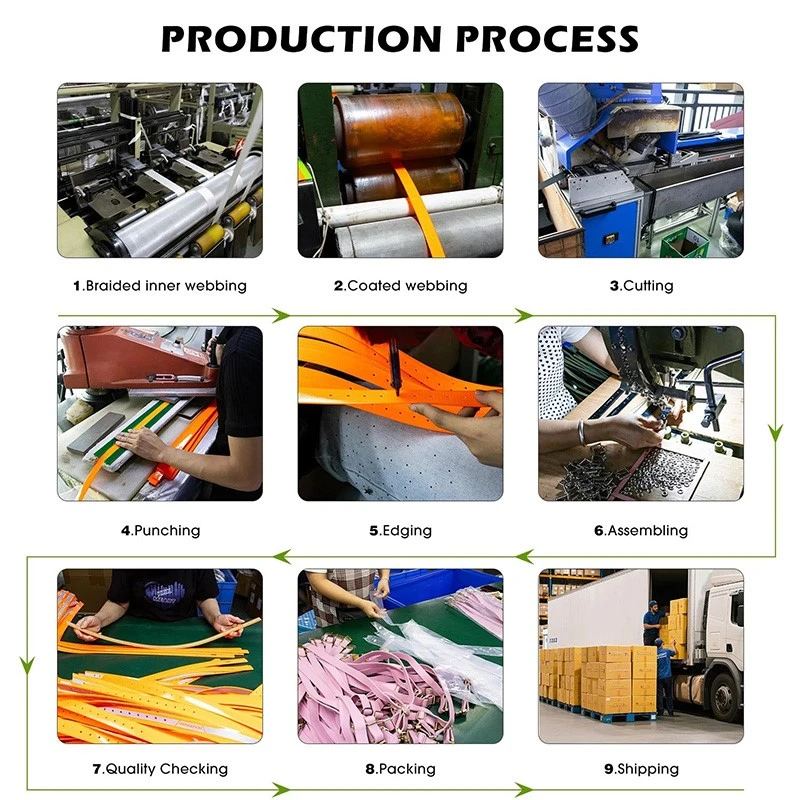
For manufacturers, coated webbing also creates a connection between material development and finished-product manufacturing. The material's width, thickness, color and surface finish can be considered alongside the product's dimensions and construction.
GH manufactures PVC/TPU coated webbing and lists pet and equestrian applications among its intended uses.
Guanghai Electronic+1
5. How Should Importers Test This New Business Opportunity?
Entering a new category does not require immediately developing a large collection.
A more practical approach is to validate demand and product suitability in stages.
Step 1: Identify the target customer
Decide whether the products will be sold through equestrian retailers, specialist distributors, online equestrian stores or existing customers with access to both pet and horse product markets.
Different channels may have different expectations for product appearance, price positioning and product specifications.
Step 2: Select a small number of products
Start with one or two clearly defined product concepts, such as a horse halter or a non-safety-critical stable accessory. Avoid developing a broad collection before understanding the market.
Step 3: Confirm the product requirements
Prepare drawings, reference samples or specification sheets. Confirm dimensions, material construction, hardware, colors, intended use and relevant performance requirements.
Step 4: Evaluate the complete product
Review the finished sample rather than judging the webbing alone. Check assembly, adjustment, handling, hardware compatibility and application-specific performance.
Step 5: Gather market feedback
Present the samples to potential distributors or specialist buyers. Their feedback can help determine whether the product offers a meaningful reason to purchase and whether its target price is commercially realistic.
This staged approach helps importers avoid committing too much inventory to a category that has not yet been validated.
6. What Does This Opportunity Mean for Pet Product Manufacturers and Importers?
The equestrian market should not be viewed as an automatic extension of the pet accessories business. It is a separate market with its own customers, product expectations and safety considerations.
However, it may provide a useful opportunity for businesses that already have experience in strap-based pet accessories.
For importers, the commercial question is whether an additional category can reach new customers or generate more business from existing distribution relationships.
For brands, the development question is whether coated webbing can support a product concept that meets the functional and visual requirements of a specific equestrian application.
For manufacturers, the opportunity lies in understanding both the material and the finished product. A supplier capable of producing coated webbing and coordinating related product manufacturing may help buyers evaluate material and construction requirements more directly.
The best starting point is not to launch an entire equestrian collection. It is to identify one product with a clear target customer, confirm its technical requirements and test its commercial potential.
Conclusion
Pet accessory businesses may find new opportunities in the equestrian market because some products share similar strap-based manufacturing elements. Horse halters, lead products and selected accessories are possible areas to investigate.
But successful expansion requires more than reusing existing pet product designs. Buyers must consider different dimensions, hardware, handling requirements and application-specific performance expectations.
For importers and brands, coated webbing can be a starting point for exploring this adjacent category, provided that the complete product is properly developed and evaluated.
Interested in developing coated webbing for pet or equestrian applications? GH Material manufactures PVC/TPU coated webbing and custom pet products. Buyers can share their product drawings, material requirements or reference samples to discuss suitable manufacturing options.
FAQ
Q: Can coated webbing be used for horse tack?
A: Coated webbing is used in selected equestrian applications, including halters, reins and lead products. Suitability depends on the material construction and intended use of the finished product.
Q: Which equestrian products should importers consider first?
A: Horse halters and selected stable accessories may be practical starting points for evaluation. Products involving direct horse control require additional attention to application-specific performance and safety.
Q: Can pet product manufacturers use their existing suppliers to develop equestrian products?
A: Some existing suppliers may support related materials or manufacturing processes. However, buyers should confirm that the supplier can meet the different dimensions, construction requirements and performance expectations of equestrian products.
Q: Does coated webbing replace leather in every horse tack application?
A: No. Different applications have different functional requirements. Buyers should compare materials according to the intended use, product construction, performance and customer expectations.