

Why Material Performance Is Becoming A Key Factor In Pet Product Development
Sep 04, 2026
Leave a message
Pet product development is becoming increasingly specification-driven. For importers, wholesalers, private-label brands, and manufacturers, choosing a material is no longer simply a matter of finding the right color, price, or appearance.
As pet products become more differentiated, material performance is playing a larger role in product development. Whether a company is developing dog collars, leashes, harnesses, or outdoor pet accessories, the selected material can influence durability, production efficiency, product positioning, and long-term customer satisfaction.
This shift is particularly relevant to webbing-based products. Materials such as PVC coated webbing and TPU coated webbing allow manufacturers to balance performance, appearance, flexibility, and customization according to different product requirements.

Material Selection Is Moving Beyond Price and Appearance
A webbing sample can look exactly right and still turn into a problem during production.
For a buyer developing a new collar, leash, or harness, color and price are usually checked first. But once the material goes into cutting, sewing, hardware assembly, and repeated use, other details become much more important.
Is the width stable from roll to roll? Does the coating have the right thickness? Is the material flexible enough for the product design? Will the surface remain consistent after handling, cleaning, or exposure to moisture? These are the details that can affect both production and the finished product.
The right specifications also depend on the application. A lightweight collar does not necessarily need the same material structure as a heavy-duty leash. An outdoor harness may place greater emphasis on water resistance and abrasion resistance, while a private-label product may require tighter control of color and surface finish for every production batch.
This is why material selection should happen alongside product development, not after the design has already been finalized.
For B2B buyers, the more useful question is not simply "Does this sample look good?" It is whether the material can meet the product requirements and remain consistent when the order moves from one sample to thousands of pieces.
Product Performance Starts With the Material
The performance of a finished pet product depends on multiple components, including webbing, hardware, stitching, and product construction. However, the material provides the foundation for many of these characteristics.
For example, a webbing material with appropriate tensile performance can support the load requirements of a leash or harness. Good abrasion resistance can help the material maintain its surface and structural integrity during repeated use. Water-resistant materials can also be more suitable for products exposed to rain, moisture, dirt, or frequent cleaning.
Flexibility is another important consideration. A material that is too rigid may affect product handling and manufacturing. A material that is too soft may not provide the desired structure for a particular product design.
For this reason, material performance needs to be evaluated according to the intended application rather than treated as a single general quality standard.
Private Label Brands Need More Consistent Materials
The growth of private-label pet products is also increasing the importance of material consistency.
A private-label buyer may approve one sample during product development and then place multiple production orders over time. If the material supplied in later batches differs significantly from the approved sample, the finished product may also change.
Variations in width, thickness, color, flexibility, coating, or surface finish can create problems during manufacturing and quality inspection.
For repeat-order products, buyers therefore need to consider not only whether a material performs well in one sample, but also whether its specifications can be controlled consistently during mass production.
This is particularly important for brands that use customized colors, specific webbing widths, or proprietary product designs.
Coated Webbing Supports More Product-Specific Designs
The growing focus on performance is also increasing interest in coated webbing for pet products.
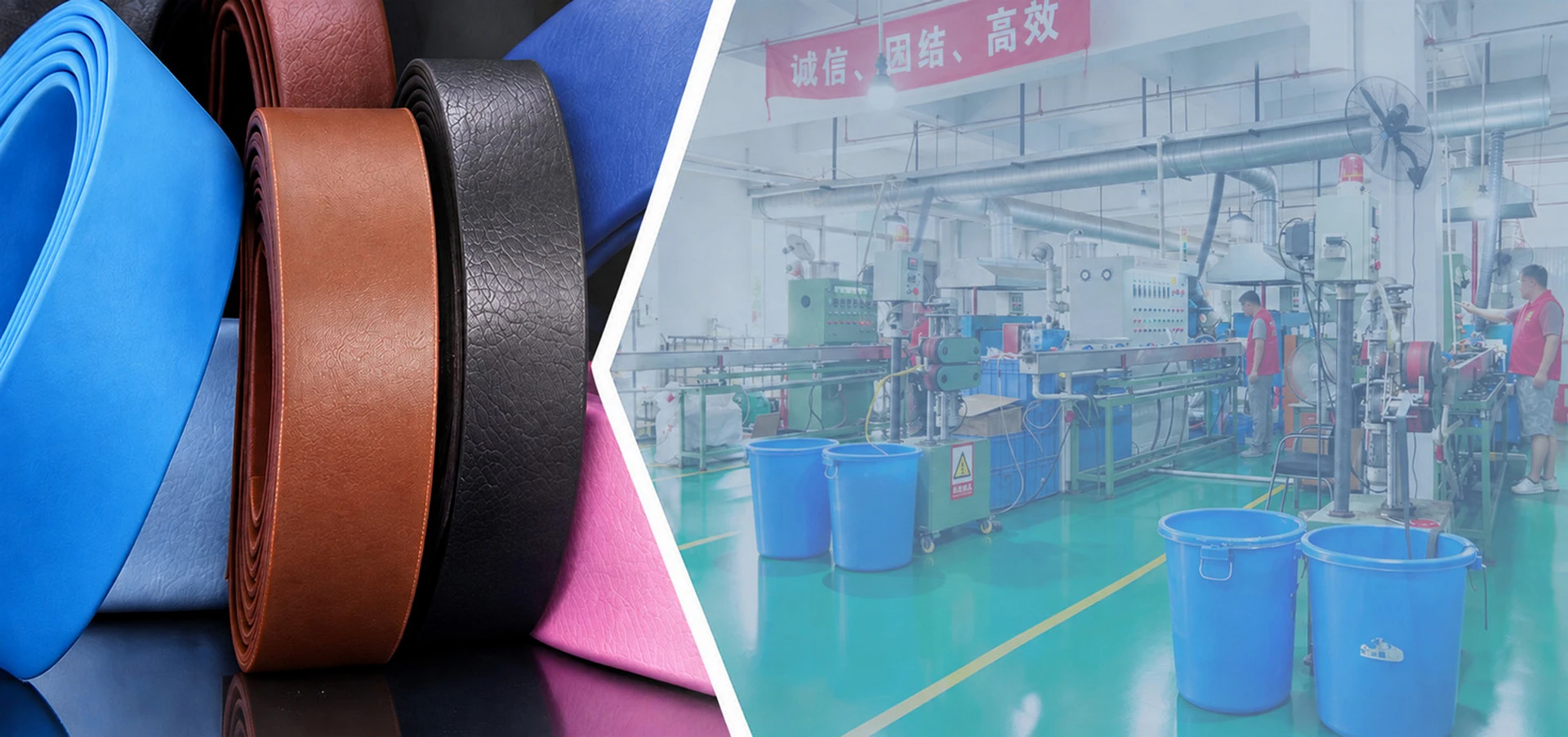
PVC coated webbing can provide a practical combination of durability, water resistance, easy cleaning, and cost efficiency. This makes it suitable for many standard and mid-range pet products where reliable performance and controlled cost are important.
TPU coated webbing can offer a different balance, with a softer hand feel and flexibility that may suit premium or performance-oriented product designs.
The choice between PVC and TPU should not be based simply on which material is considered "better." Instead, buyers should evaluate the material according to the product's target market, performance requirements, production process, and cost structure.
This application-specific approach can help brands avoid selecting a material that performs well in theory but does not fit the actual product.
Material Specifications Are Becoming Part of Product Development
As product development becomes more specification-driven, buyers are increasingly confirming material requirements before placing bulk orders.
Important specifications may include:
| Specification | Why It Matters |
|---|---|
| Width | Determines compatibility with product design and hardware |
| Thickness | Influences structure, appearance, and handling |
| Coating | Affects surface protection and product performance |
| Tensile strength | Supports load-related requirements |
| Flexibility | Influences handling and manufacturing |
| Color | Supports brand and batch consistency |
| Surface finish | Affects appearance and product positioning |
These specifications should ideally be confirmed during sampling rather than after mass production begins.
A clear specification sheet can also reduce misunderstandings between the buyer, material supplier, and finished-product manufacturer.
From Sample Approval to Bulk Production
One of the biggest changes in B2B sourcing is the growing importance of the transition from sample approval to mass production.
A sample can confirm that the material looks and feels suitable, but buyers also need to understand how the material will be controlled during production.
For coated webbing, factors such as coating thickness, textile core, width tolerance, color, flexibility, and surface finish can all influence the final result.
This is why reliable material sourcing should involve more than sample confirmation. Buyers should also discuss production specifications, quality control procedures, customization requirements, and repeat-order expectations with their suppliers.
The goal is not simply to find a material that works once. It is to establish a specification that can be reproduced consistently.
What This Means for Pet Product Buyers
For importers, wholesalers, and private-label brands, material decisions are becoming part of the product development process rather than a simple purchasing step.
The key issue is consistency. A material may perform well in an approved sample, but buyers also need to consider whether the same width, thickness, color, coating, and flexibility can be maintained during bulk production and future repeat orders.
This is especially important for collars, leashes, harnesses, and other products where material performance directly affects production and finished-product quality.
For buyers, the focus is therefore shifting from "Does this material look right?" to "Can this material meet our specifications consistently?"
That change is making material suppliers an increasingly important part of the product development and sourcing process.
Looking for Consistent Coated Webbing for Your Next Pet Product?
GH Material supplies PVC and TPU coated webbing for pet product manufacturers, importers, wholesalers, and private-label brands.
Share your required width, thickness, color, application, performance requirements, and target quantity with our team. We can help you evaluate suitable material specifications and develop samples for your next pet product project.
Contact GH Material to discuss your OEM and custom coated webbing requirements.
FAQ
Q: Why is material performance important in pet product development?
A: Material performance can affect durability, handling, appearance, production efficiency, and the overall positioning of a pet product. Selecting materials according to the actual application can help reduce quality and production risks.
Q: What material specifications should B2B buyers confirm?
A: Common specifications include width, thickness, coating, tensile performance, flexibility, color, surface finish, and processing requirements. The exact specifications should be based on the finished product and production process.
Q: Is PVC coated webbing suitable for pet products?
A: Yes. PVC coated webbing can be suitable for dog collars, leashes, harnesses, and other accessories where water resistance, easy cleaning, durability, and cost efficiency are important considerations.
Q: When should material specifications be confirmed?
A: Material specifications should ideally be confirmed during the sampling and product development stage, before bulk production. This helps align the approved sample with the specifications used for mass production.
Q: Why does material consistency matter for private-label products?
A: Private-label brands often require repeat production. Consistent width, thickness, color, coating, flexibility, and surface finish help ensure that future production remains closer to the approved product standard.