


U.S. Tariff Changes And The North American Pet Accessories Trade
Nov 16, 2026
Leave a message
How U.S. Tariff Changes Are Affecting the North American Pet Accessories Trade
Changes in U.S. trade policy have created new considerations for businesses involved in the North American pet accessories market. For manufacturers, exporters, importers, and distributors, understanding how tariffs apply to different products and countries of origin is becoming increasingly important.
In July 2026, the United States announced additional Section 338 tariffs of 50% on selected Canadian-origin goods. The announced product list included certain dog collars, leashes, muzzles, harnesses, and related animal equipment. These products were identified under HTSUS classifications 4201.00.30 and 4201.00.60.
The measures were initially scheduled to take effect on August 19 and were subsequently adjusted to August 22, 2026. Further modifications to certain Canadian product classifications followed in September. These developments highlight the importance of monitoring trade policy changes when managing cross-border pet product supply chains.
1. Pet Accessories Become Part of the Trade Policy Discussion
The inclusion of dog accessories in the U.S. tariff announcements attracted attention from businesses across Canada's pet industry.
According to Pets Canada, the affected classifications include dog leashes, collars, muzzles, harnesses, and similar equipment made from different materials.
For companies exporting these products from Canada to the United States, additional duties can influence landed costs and purchasing decisions.
However, the tariff measures apply to specified products of Canadian origin, not automatically to every pet accessory entering the United States.
Product classification, country of origin, applicable trade provisions, and customs documentation must all be considered before determining the actual duty treatment.
2. Country of Origin Matters More Than Shipping Location
One important consideration for international pet product buyers is the distinction between shipping location and country of origin.
A product shipped from Canada is not necessarily a product of Canada. Similarly, goods manufactured in China and subsequently transported through another country do not automatically acquire that country's origin.
For pet accessory importers, understanding this distinction is essential when evaluating alternative sourcing arrangements.
For example, a U.S. importer purchasing dog leashes from a Canadian supplier and another supplier manufacturing them in China may face different customs treatment.
The applicable tariff depends on the product's origin, classification, and the trade measures in force at the time of importation.
Changing the shipping route alone does not change a product's country of origin. Businesses should review origin requirements and customs procedures with qualified trade professionals before making sourcing decisions.

3. Importers Need to Review Their Total Landed Costs
Tariff changes can affect more than the customs duty paid at the border. They can also influence purchasing budgets, inventory planning, supplier negotiations, and retail pricing decisions.
For businesses importing pet accessories, landed cost calculations should consider:
Product purchase prices and manufacturing costs.
Applicable customs duties and additional tariffs.
International freight and insurance.
Customs brokerage and import handling expenses.
Domestic transportation and warehousing costs.
A product with a competitive factory price may not necessarily offer the lowest total import cost.
Importers should compare complete landed costs rather than making sourcing decisions based only on quoted unit prices.
They should also review existing supplier agreements to understand how unexpected changes in import duties are allocated between buyers and sellers.
4. Supply Chain Diversification Requires Careful Evaluation
Trade policy uncertainty can encourage importers to review their existing supplier networks.
Some businesses may consider adding suppliers from different manufacturing countries to reduce dependence on a single sourcing location.
However, changing suppliers involves more than comparing manufacturing prices.
Product specifications, material consistency, hardware quality, production capacity, inspection procedures, and delivery reliability must also be evaluated.
For dog collars, leashes, and harnesses, differences in webbing materials, stitching, buckles, metal fittings, and product construction can influence the consistency of finished goods.
A new supplier should therefore be assessed through product samples, specification reviews, and production evaluations before large-scale purchasing decisions are made.
5. What This Means for Pet Product Manufacturers
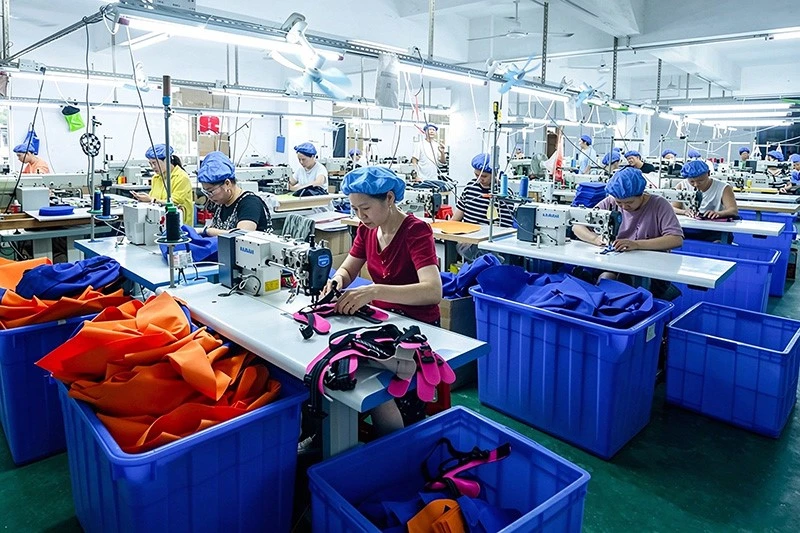
For manufacturers serving international B2B customers, changing trade conditions increase the importance of providing clear product and manufacturing information.
Importers may need more detailed documentation about product materials, manufacturing locations, specifications, and applicable customs classifications.
Manufacturers offering OEM and private-label services should be prepared to support buyers with accurate product descriptions and consistent manufacturing records.
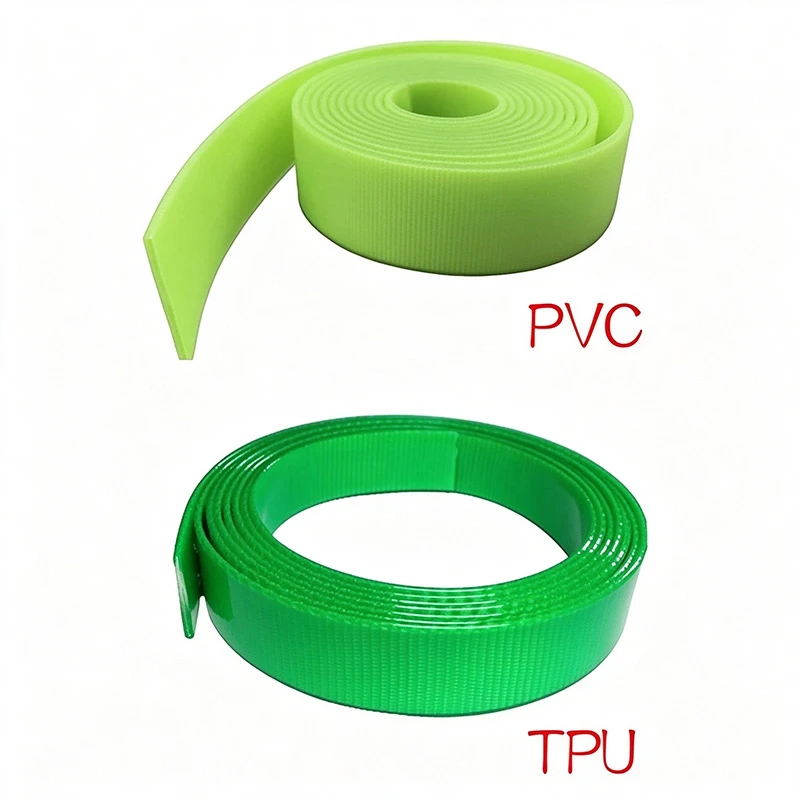
At GH Material, pet accessories such as dog collars, leashes, and harnesses are important product categories. The company also supplies PVC and TPU coated webbing for applications in pet accessories.
These products serve different sourcing requirements, from finished private-label accessories to customized coated webbing materials.
For overseas buyers, working with manufacturers that understand product specifications, production processes, and quality consistency can help support more stable purchasing arrangements.
6. Monitoring Trade Developments Before Placing Orders
The North American pet accessories trade will continue to require attention to changing customs requirements and international trade conditions.
Importers should verify current tariff schedules, product classifications, country-of-origin rules, and any applicable exemptions before confirming purchase orders.
Manufacturers and suppliers should also maintain accurate production and origin records to support their customers' compliance procedures.
Rather than reacting to tariff announcements after goods have been shipped, businesses can reduce uncertainty by reviewing trade requirements during the supplier selection and order-planning stages.
As international trade policies evolve, accurate product information, reliable manufacturing partnerships, and careful sourcing decisions remain important factors in the North American pet accessories supply chain.