


EU Customs Reform 2026: Guide For Pet Product Importers
Oct 23, 2026
Leave a message
New EU Customs Rules Affect Cross-Border Trade
On September 16, 2026, the European Union adopted a major customs reform aimed at modernizing customs procedures, improving data sharing and strengthening controls over imported goods. The reform will be implemented in stages, bringing changes for businesses involved in international trade and e-commerce. Source: European Commission
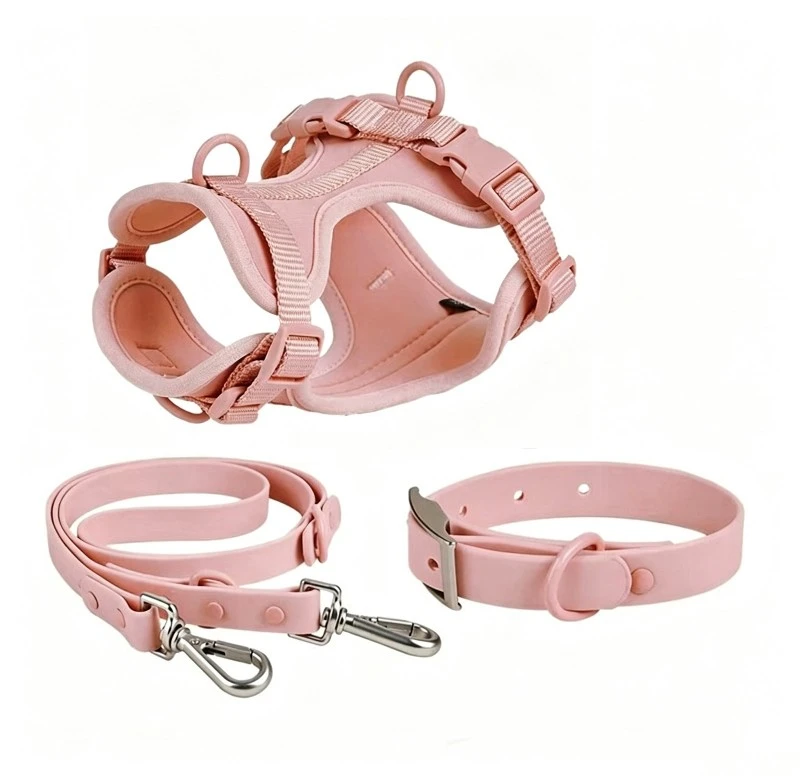
For pet product importers, wholesalers and private-label brands, these changes are a reason to review sourcing costs, shipping arrangements and supplier documentation. Products such as dog collars, leashes, harnesses and other pet accessories may be affected by the customs rules applicable to their import and distribution.

What Are the Main Changes?
One important change concerns low-value e-commerce shipments. Since July 1, 2026, the EU has applied a temporary €3 customs duty to items in qualifying low-value consignments valued at up to €150 imported from outside the EU. An additional EU handling fee for small parcels is scheduled to apply from November 1, 2026. These measures are particularly relevant to businesses selling products directly to European consumers.
The broader customs reform also introduces a centralized EU Customs Data Hub, with access for e-commerce operators planned from July 2028. Its use will expand to other traders in later stages. The aim is to improve information sharing, customs risk assessment and the efficiency of cross-border trade.
What Should Pet Product Buyers Do?
1. Review Total Import Costs
Buyers should consider more than the factory price. Freight, applicable customs duties, VAT, brokerage charges and fulfillment expenses all affect the final cost. The impact will depend on the shipment method, product classification and transaction structure.
2. Confirm Supplier Documentation
Before production or shipment, buyers should clarify product descriptions, quantities, commercial invoices, packing lists and origin information where required. They should also confirm who is responsible for customs clearance and payment of applicable charges.
3. Plan Private-Label Orders Carefully
For custom pet accessories, confirming materials, dimensions, hardware, packaging and order quantities before production can help reduce revisions and unexpected costs. Buyers should compare the total landed cost of different sourcing and shipping options rather than relying on unit price alone.
How Can Manufacturers Support Buyers?
Manufacturers can help by providing consistent product specifications, clear quotations and accurate commercial documents. For brands sourcing custom dog leashes, collars or harnesses, early communication about product requirements and shipping arrangements can make purchasing decisions more predictable.
GH Material supplies customizable pet products and PVC/TPU-coated webbing for B2B buyers. Importers can discuss product specifications, customization options and order quantities when preparing a sourcing plan.
Conclusion
The 2026 EU customs reform signals a shift toward more coordinated, data-driven customs management. Pet product importers should monitor implementation dates, review landed costs and confirm documentation responsibilities with their suppliers and customs brokers.
Preparing early can help businesses make better-informed purchasing decisions as the new framework develops.