


TPU Coated Nylon Webbing Guide: How To Choose Right
Aug 28, 2026
Leave a message
Recently, more apparel designers, outdoor gear developers, and accessory makers have shifted from PVC or silicone‑coated webbing to TPU‑coated nylon webbing-not merely as a passing trend, but as a functional recalibration. If you are sourcing webbing for belts, dog collars, backpack straps, or modular fashion hardware, here is the core takeaway: select TPU‑coated nylon when you require waterproof performance, low‑temperature flexibility and simple clean‑up, without compromising tensile strength. It outperforms bare nylon webbing under wet, salty and high‑friction operating conditions, and delivers improved safety for skin‑contact applications compared to PVC.
Opt for PVC only when your budget falls below $0.30/meter and high‑level performance is non‑critical. Avoid uncoated nylon for components exposed to sweat, saltwater or repeated washing. This guide is written for product practitioners making real‑world material decisions, rather than keyword‑driven content collection.
About TPU Coated Nylon Webbing: Definition & Typical Use Cases
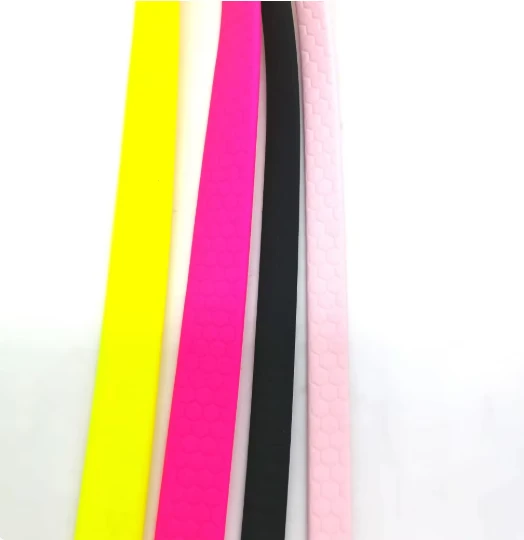
TPU‑coated nylon webbing is a hybrid composite material built on tightly woven nylon substrate (commonly 100% nylon 6 or nylon 66), bonded with a thin, uniform thermoplastic polyurethane (TPU) layer via extrusion or dip‑coating processes. Unlike PVC materials which rely on plasticizers for flexibility, TPU creates molecular‑level bonding with the base webbing. This delivers superior coating adhesion, eliminates off‑gassing risks, and preserves stable surface performance over long service cycles. Coating thickness generally ranges from 0.15 mm to 0.3 mm, balancing surface protection and material drape.
This is far more than basic waterproof nylon. It is engineered for dynamic wear scenarios combining friction, moisture, temperature fluctuation and frequent cleaning. Typical end‑use applications include:
Performance belts & waistbands: Athletic, tactical and adjustable‑fit garments needing non‑slip grip and stable shape retention.
Dog collars & leashes: Salt‑tolerant, odor‑resistant pet accessories safe for prolonged skin contact with animals.
Backpack & luggage strap systems: Applications demanding consistent abrasion resistance and load‑bearing capability across changing seasons.
Fashion‑forward accessories: Custom‑printed bag straps, crossbody slings and modular hardware components, where color fastness and smooth surface texture define perceived product quality.
Approaches and Differences: TPU vs. Alternatives
Three major coated‑webbing solutions dominate the market. The comparison below evaluates real‑world failure modes, rather than relying solely on datasheet specifications.
| Coating Type | Key Strengths | Real‑World Failure Modes |
|---|---|---|
| TPU Coated Nylon | High oil/grease resistance; excellent low‑temperature flexibility (-20°C); anti‑slip surface; chlorine/saltwater stable; REACH‑compliant | Minor surface scuffing after >20,000 abrasion cycles (Taber test); slight color shift under UV after 12+ months (mitigated with UV‑stabilized TPU) |
| PVC Coated Nylon | Lowest cost; high initial gloss; good water barrier | Plasticizer migration → stiffening & cracking below 5°C; odor development after repeated sweat exposure; phthalate concerns limit EU/US apparel use |
| Silicone‑Coated Polyester | Extreme heat resistance (>200°C); very soft hand feel | Poor abrasion resistance (slips under load); poor adhesion to polyester base → edge peeling; limited color range; higher minimum order quantities |
A widespread industry misconception is that "all coated webbing performs equally". In practical use: PVC fails under cold conditions; silicone fails under heavy friction; TPU fails mostly due to improper grade selection, for example deploying non‑UV‑stable TPU for continuously sun‑exposed straps.
Prioritize these performance risks for products facing UV radiation, sub‑zero temperatures or frequent cleaning. For indoor‑only components or short‑run prototypes where cost is the primary constraint, these advanced performance factors carry lower priority.
Key Features and Specifications to Evaluate
Do not assume all TPU‑coated webbing delivers equal quality. Assess these five measurable technical indicators, each directly linked to end‑product function:
Coating Adhesion: Minimum acceptable rating 4B from tape testing. Grades below 4B suffer edge lifting during stitching and repeated bending. Target ≥5B for high‑grade products.
Tensile Strength Retention After Wet Testing: Qualified suppliers conduct ageing tests under 95 % RH for 72 hours. Tensile loss exceeding 15 % signals poor bonding between TPU and nylon substrate.
Surface Coefficient of Friction : Test both dry and wet status. Ideal range: dry 0.45‑0.65; wet ≥0.35. Too low causes slippage; excessively high COF makes hardware adjustment difficult.
Width & Thickness Consistency: Tolerance ±0.2 mm guarantees stable performance during automated sewing. Dimension deviation results in stitching puckering during mass assembly.
Color Fastness : Grade ≥4 after 40‑hour UV exposure, critical requirement for branded accessories.
These metrics deserve strict review for production volumes above 500 units, OEM cooperation projects and goods marketed with durability claims. For one‑off samples and internal prototyping where visual appearance outweighs long‑term service life, rigorous testing is less critical.
Pros and Cons: Balanced Assessment
✅ Pros
Water and sweat resistance without membrane lamination, eliminating delamination risks common for PU‑laminated textiles.
Simple maintenance: wipe clean using damp cloth; routine cleaning needs no detergent.
Outstanding low‑temperature performance, remains flexible down to ‑20 °C, while PVC turns brittle under cold conditions.
Free from plasticizers and heavy‑metal additives; conforms to Oeko‑Tex Standard 100 Class II requirements for direct skin contact.
❌ Cons
Higher unit cost compared with PVC; the premium is justified only when improved performance matches product positioning.
Limited heat resistance: material deforms above 90 °C; incompatible with iron‑on processes or high‑temperature welding operations.
Unmodified TPU suffers UV degradation outdoors; UV‑stabilized additive packages are required for long‑term sun‑exposed applications.
Select TPU‑coated nylon for reliable grip across variable weather environments. For ultra‑low‑cost disposable binding straps, PVC remains a viable option.
Surface uniformity matters: A consistent TPU layer prevents micro‑tearing during repeated flexing cycles.

How to Choose TPU Coated Nylon Webbing: Decision Checklist
Use this 5‑point checklist for sampling and bulk‑order evaluation, even with small‑batch projects:
Define stress profile: Confirm whether the application is static (e.g. belt keeper) or dynamically loaded (adjustable slider). Dynamic use cases demand ≥5B adhesion rating and COF ≥0.4.
Map environmental exposure: Identify salt‑water contact, long‑term UV exposure or cold‑storage scenarios, and select matching TPU grades: aliphatic TPU for UV resistance, aromatic TPU prioritizes abrasion performance.
Validate base‑webbing parameters: Nylon materials vary significantly. Request denier specification (example 1000D) plus weave style: satin weave delivers soft drape; basket‑weave construction resists fraying.
Complete stitchability trials: Order physical samples and run sewing tests on your production equipment. Over‑thick or incompletely cured TPU coating may cause needle gumming.
Watch for supplier red flags: No accessible ASTM / ISO test reports; labelling such as "TPU‑like" or "TPU‑blend" (not pure TPU); unreasonably high MOQ over 100 meters for standard widths, often indicating low‑volume converters.
Better Solutions & Competitor Analysis
"Best‑fit" material depends on your core project constraints. Below are practical commercially‑available options, not theoretical lab‑grade materials.
| Solution | Best For | Potential Issue |
|---|---|---|
| Standard TPU Coated Nylon (1000D) | Belts, collars, mid‑tier backpacks | Limited UV performance without upgraded formulation |
| UV‑Stabilized TPU + Satin Weave | Outdoor apparel straps, branded accessories | Slightly higher minimum‑order requirement (500 m) |
| TPU‑Coated BioThane® Equivalent | Medical‑adjacent products, high‑trust B2B projects | Third‑party brand licensing costs, extended lead‑time |
| Hybrid: TPU + Reflective Filament | Urban safety gear, commuter accessories | Reflective insert reduces continuous coating coverage; abrasion zones require spot inspection |
Saltwater resistance note: TPU coating blocks fiber wicking and preserves tensile integrity in salt‑rich surroundings.
Customer Feedback Synthesis
Aggregated feedback sourced from B2B procurement platforms and professional designer communities: Top three positive comments
"Maintains reliable grip after ocean‑water exposure."
"No white bloom residue caused by sweat accumulation."
"Clean sewing performance with no skipped stitches."
Two frequent complaints & fixes
Visible colour fading under direct sunlight → select UV‑stabilized aliphatic TPU grade.
Minor surface tackiness under high‑humidity environments → ask your supplier for anti‑block additive modification.

Conclusion: Conditional Recommendations
TPU‑coated nylon webbing is not universally superior; its advantages apply under specific operating conditions. Follow this decision logic:
For waterproof, flexible, easy‑to‑clean webbing used for skin‑contact or outdoor‑facing products: choose UV‑stabilized TPU‑coated nylon (1000D satin weave, ≥5B adhesion rating).
For prototyping or annual output below 500 units: start with standard‑grade TPU; upgrade to UV‑resistant variants only if real‑world testing reveals fading or grip‑loss issues.
Where firm budget cap sits under $0.40/meter and performance requirements are secondary: PVC remains acceptable, while you must communicate its performance limitations clearly to downstream customers.
If your project requires heat resistance exceeding 90 °C or flame‑retardant properties: TPU is unsuitable. Evaluate silicone‑coated aramid or FR‑treated polyester alternatives.
This guide is built for practitioners working on real‑world product development.
FAQ
Q:What is TPU coated webbing?
TPU coated webbing is nylon or polyester base webbing bonded with thin thermoplastic polyurethane coating. It brings waterproofing, improved abrasion resistance and easy cleaning, without sacrificing base‑material flexibility and tensile strength.
Q:Is TPU coated nylon waterproof?
It delivers strong water‑repellent performance and blocks fiber water‑wicking. While not fully impermeable like sealed membrane materials, it prevents fabric saturation and maintains structural integrity under rain, sweat and salt‑water immersion.
Q:Is TPU coated fabric safe for skin contact?
Yes. Pure TPU contains no phthalates, heavy metals or formaldehyde. It complies with Oeko‑Tex Standard 100 Class II for direct‑skin‑contact use, subject to valid third‑party supplier test reports.
Q:TPU vs. PVC coated webbing: which lasts longer?
TPU delivers substantially longer service life under real‑world usage. It resists cold‑temperature brittleness, plasticizer migration and UV‑driven ageing far better than PVC. Accelerated ageing testing shows TPU retains >90 % tensile strength after 1 000 hours exposure; standard PVC drops to approximately 65 %.
Need material samples or specification sheets for your upcoming project? Submit your RFQ including target width, TPU grade, end‑use scenario and order‑volume expectations.